
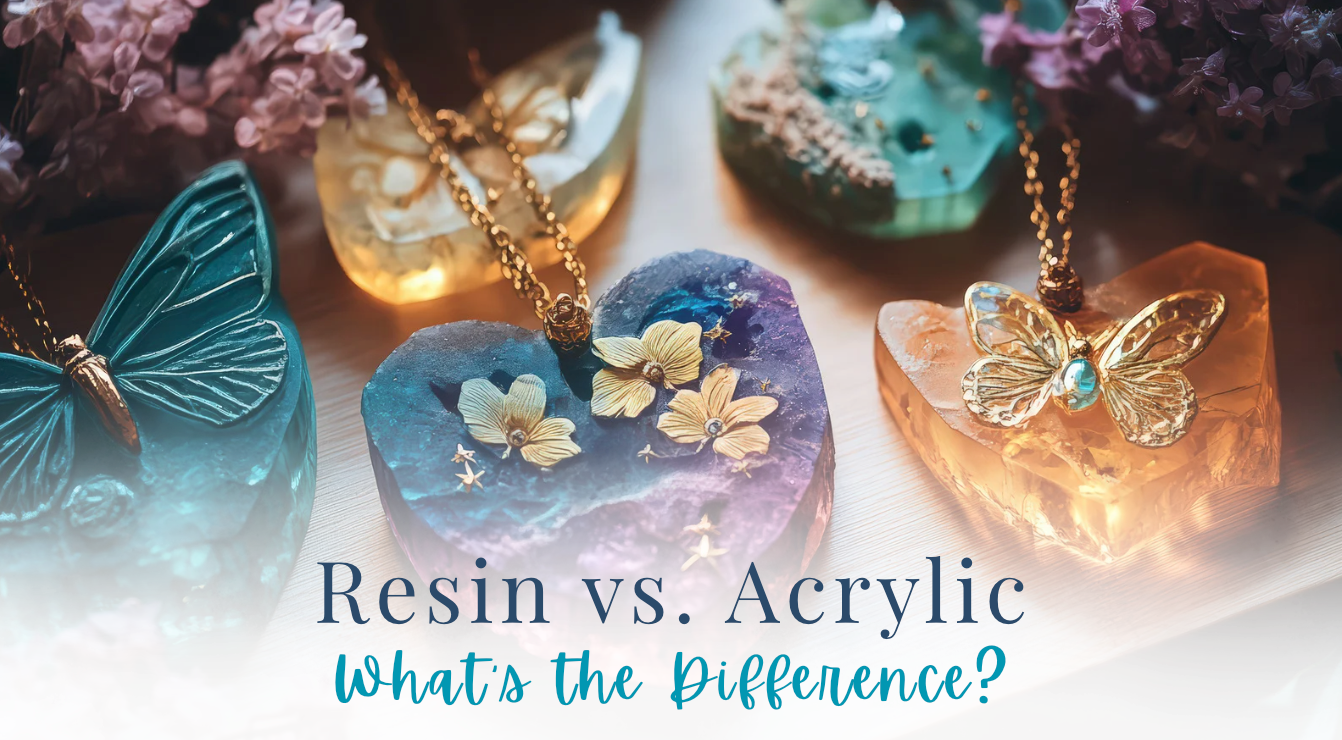
Resin and acrylic are two of the most popular materials in the craft world, but they work very differently. Resin starts as a liquid and hardens into a clear, glass-like surface.
Acrylic comes in two main forms, which are acrylic paint and acrylic sheets. If you are trying to choose between them for art, jewelry, coasters, or home projects, understanding how each one behaves will help you get better results.
This guide explains resin and acrylic in simple terms so beginners can decide which material fits their creative goals and budget.
Quick Takeaways:
- Resin (Epoxy) is a liquid that hardens via a chemical reaction (Thermoset). Acrylic (Plexiglass) is usually sold as solid sheets that can be heated and reshaped (Thermoplastic).
- Use Resin if you want to pour, cast molds, or coat surfaces. Use Acrylic if you want to cut, laser etch, or build structural boxes/cases.
- Acrylic is naturally UV stable and stays clear. Resin (even expensive kinds) will eventually yellow over time if exposed to sunlight.
- Acrylic sheets are generally cheaper for large flat surfaces. Resin is more cost-effective for custom 3D shapes.
- Resin is harder and more scratch-resistant; Acrylic is softer but less likely to shatter.
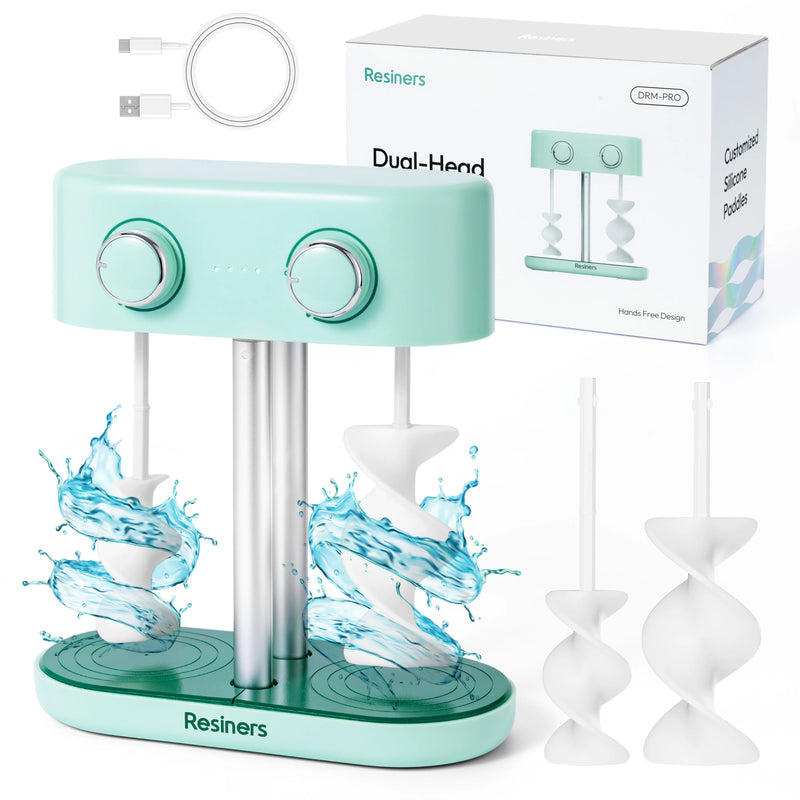
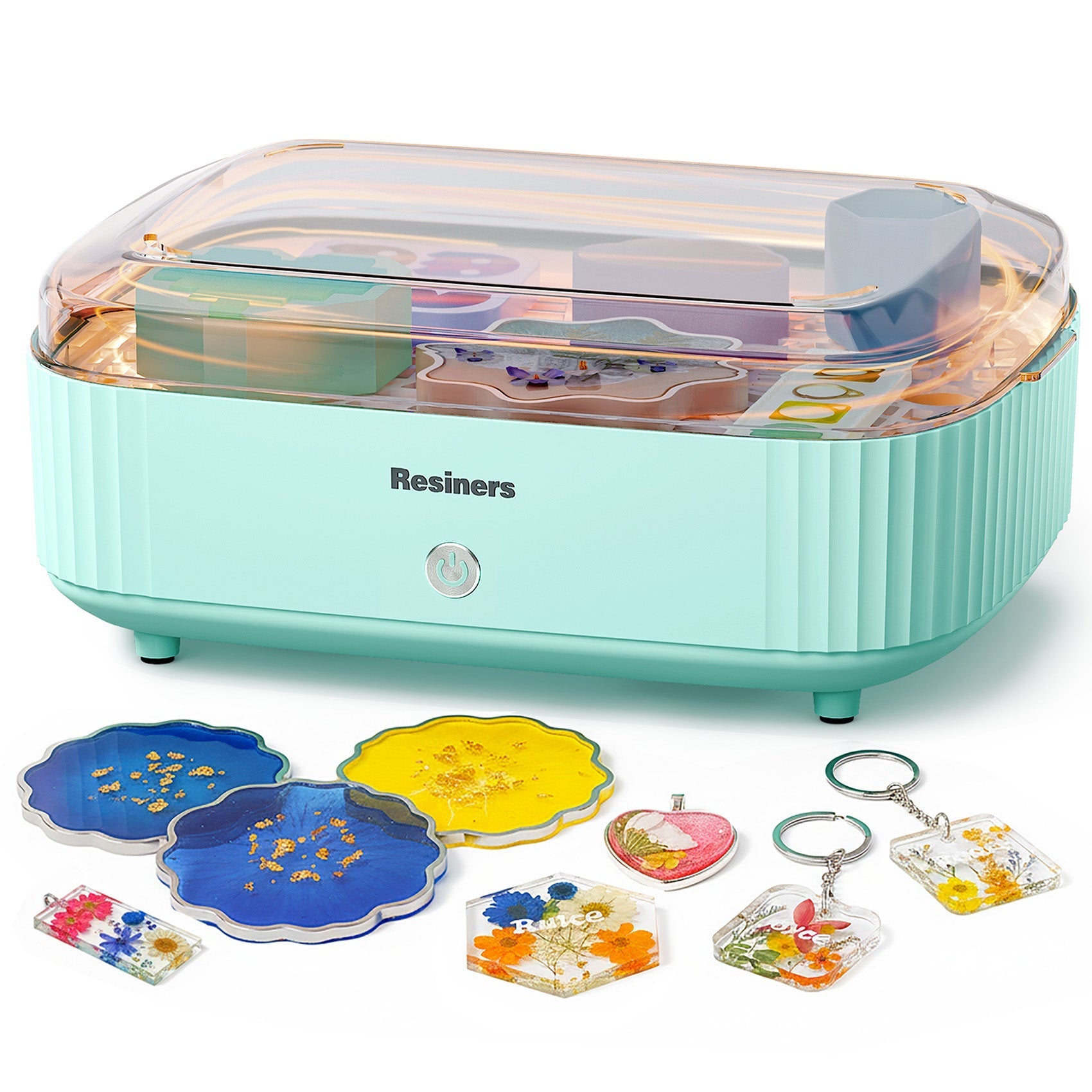
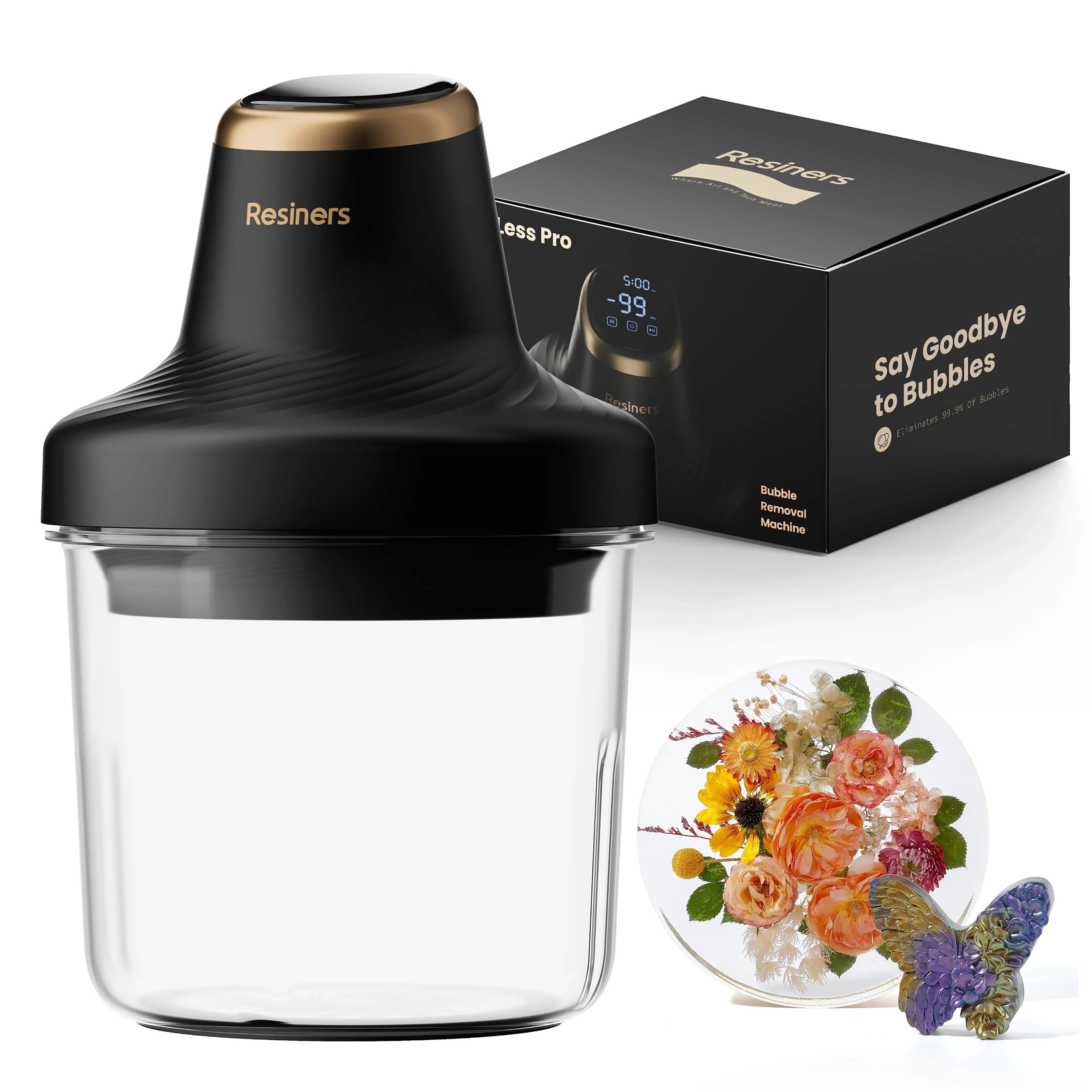
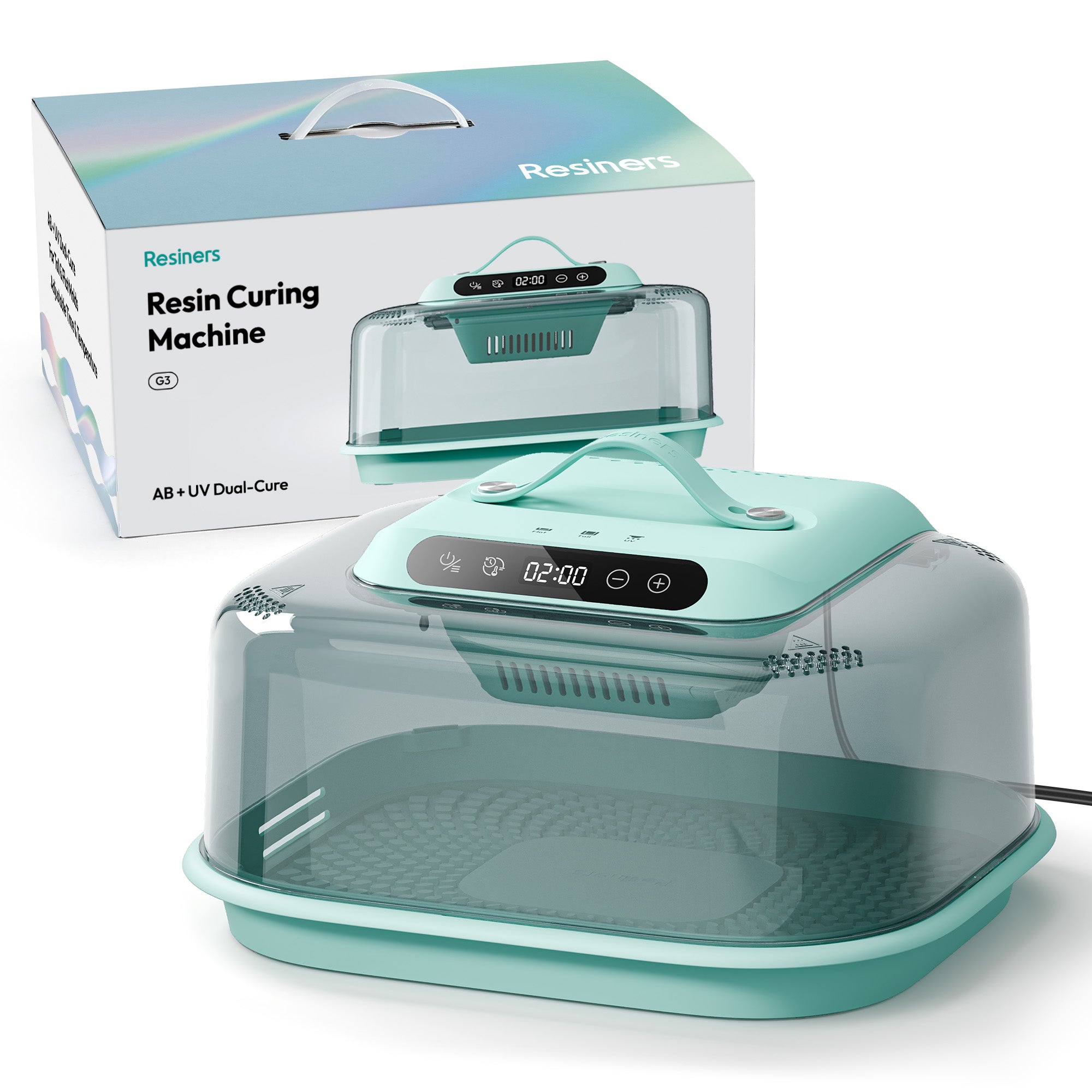
Resiners Machines You May Want to Shop
Explore More

What is the Main Chemical Difference?
To understand the battle of Resin vs. Acrylic, you have to look at how they are made. It comes down to how they react to heat.
Acrylic = Thermoplastic (The "Meltable" One)
Acrylic (also known by brand names like Plexiglass or Lucite) is a Thermoplastic. This means it reacts to heat physically. If you heat a sheet of acrylic, it becomes soft and bendy. You can twist it into a new shape.
When it cools down, it stays in that shape. If you heat it up again, it softens again. You can melt it and remold it multiple times.
Resin = Thermoset Plastic (The "Permanent" One)
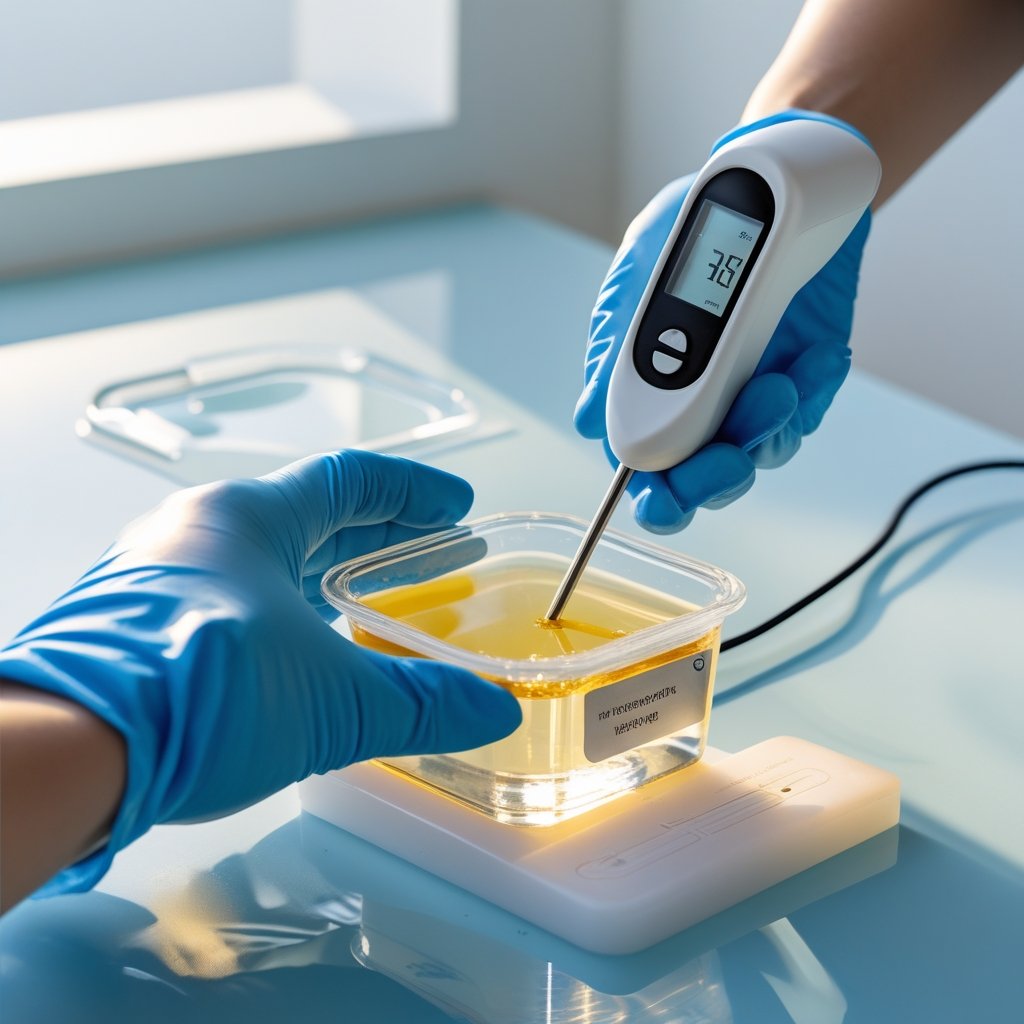
Resin (specifically Epoxy, Polyester, or UV Resin) is a Thermoset plastic. This means it cures via a chemical reaction. When you mix the resin and hardener, they heat up and lock together on a molecular level.
Once the resin hardens, that is it. It is permanent. You cannot melt it down to reuse it. If you heat it up too much, it will just burn.
✨ Also Read: Types of Resin
Resin vs. Acrylic: A Detailed Comparison
Now that we know the science, how does this affect your project? Let's compare them head-to-head.
1. Application: Pouring vs. Cutting
This is usually the deciding factor for most crafters.
- Resin is for Casting. Because it starts as a liquid, resin is perfect for filling molds. It can get into tiny crevices, making it ideal for jewelry, D&D dice, or preserving 3D objects like wedding bouquets. It is also self-leveling, which makes it great for coating bar tops or paintings.
- Acrylic is for Fabrication. Acrylic is almost always bought as solid sheets, rods, or tubes. You work with it like wood. You cut it with a saw, drill it, or use a laser cutter. You assemble it using special glue. You generally do not "pour" acrylic at home.
2. Clarity and UV Resistance (The Yellowing Test)
- Acrylic: This is the clear winner for longevity. Acrylic is naturally UV stable. This means you can leave it in direct sunlight for years, and it will remain crystal clear. This is why museum display cases are made of acrylic.
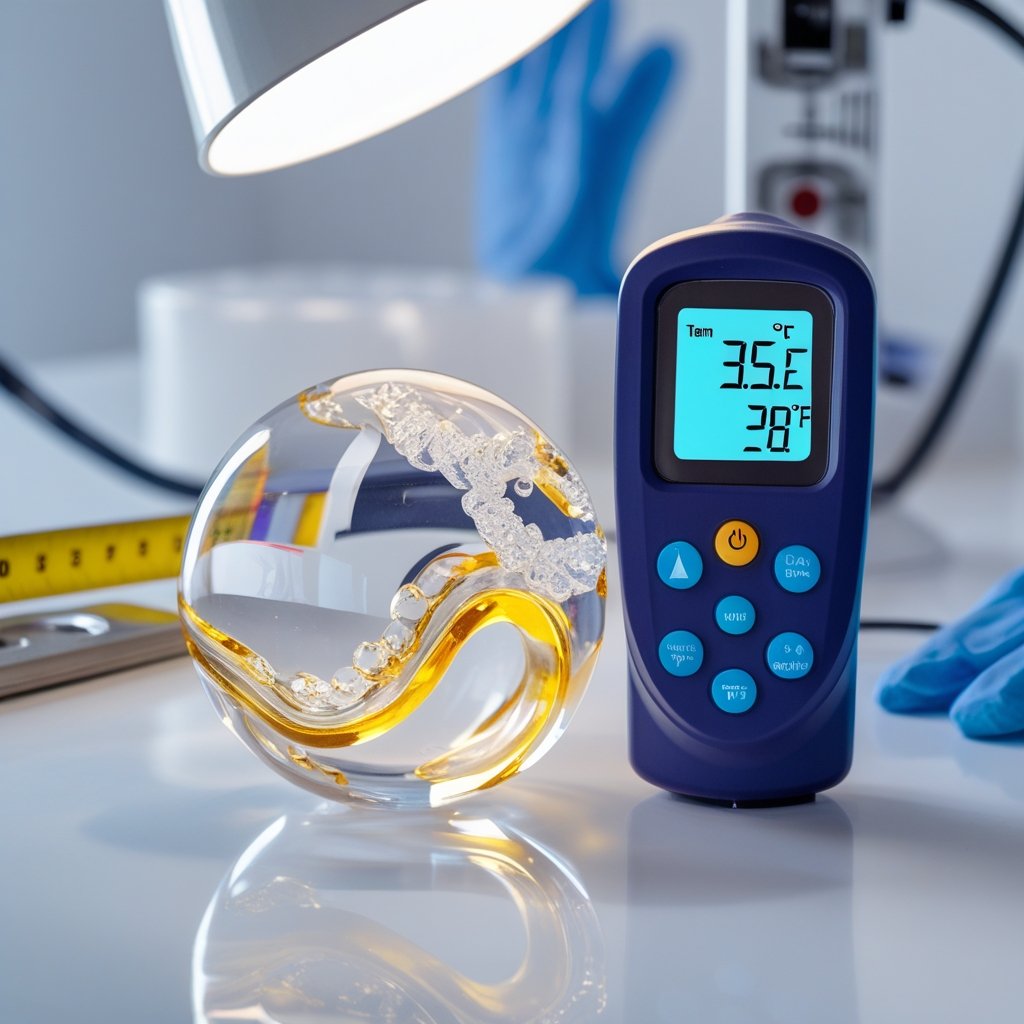
- Resin: Resin is prone to UV damage. The hardener used in epoxy reacts with sunlight and turns amber or yellow over time. While many high-quality resins have "UV inhibitors" added to slow this down, they will almost all eventually yellow if left in the sun.
3. Durability and Scratch Resistance
- Resin: Resin cures very hard. It feels dense and solid, like stone. It is quite resistant to surface scratches. However, because it is so rigid, it can be brittle. If you drop a thin resin piece on tile, it might crack.
- Acrylic: Acrylic is softer than resin. This makes it very easy to scratch. You have to be careful when cleaning it (only use a microfiber cloth). However, it has more "flex" than resin. It is highly shatter-resistant, making it safer for windows or large displays.
✨ Also Read: The Best Epoxy Resin for Acrylic Paint Protection
Acrylic Resin vs. Epoxy Resin
To make things more confusing, you might see products labeled "Acrylic Resin" (like Jesmonite). Is this a mix of both?
Sort of. Acrylic Resin is usually a water-based powder and liquid system. It creates an opaque (solid color), matte, stone-like finish. It dries very fast (20 minutes) and is non-toxic.
Epoxy Resin is the clear, honey-like liquid that dries in 24 hours and gives you a glossy, glass-like finish. If you want a clear look, stick to Epoxy. If you want a pottery or concrete look, try Acrylic Resin.
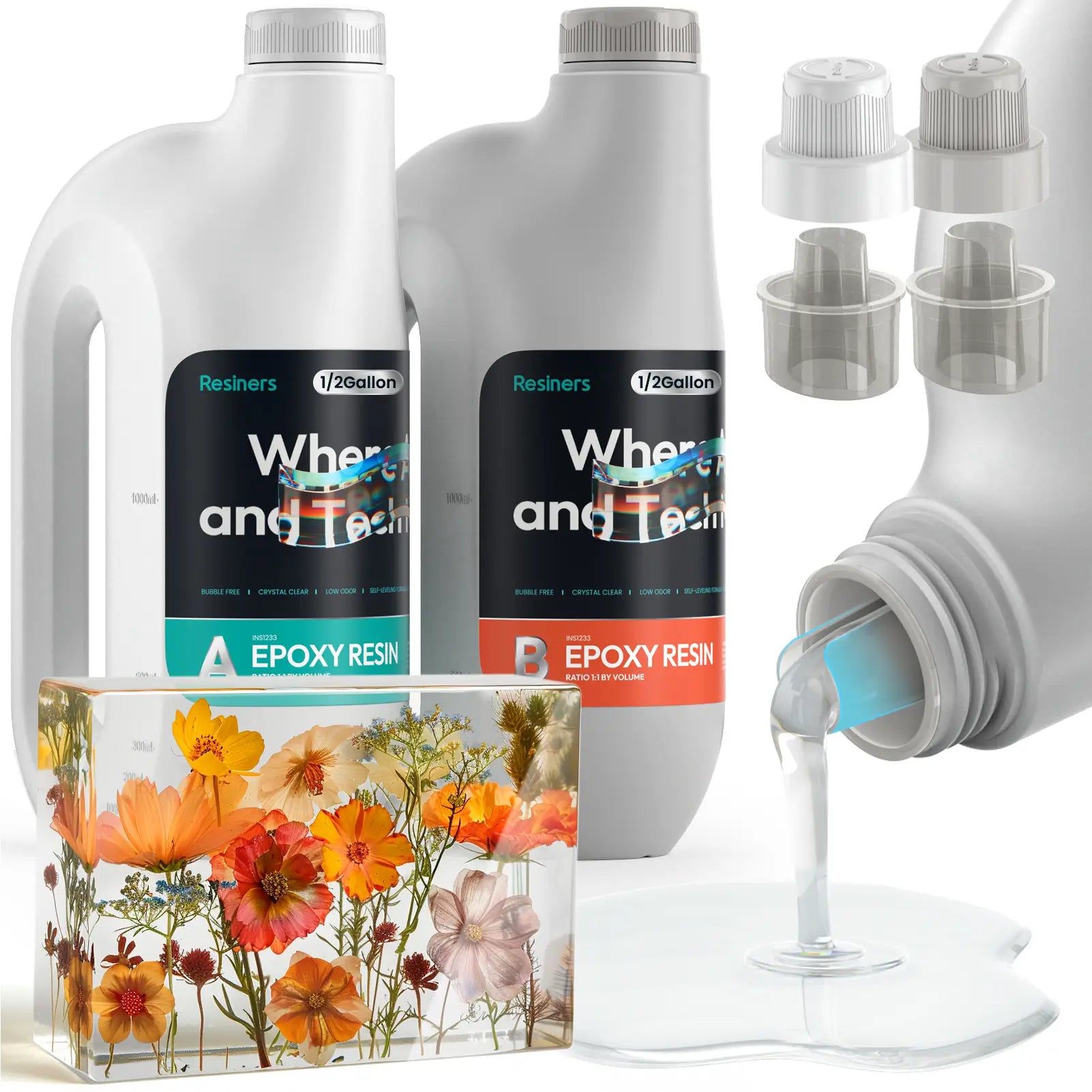
Epoxy Resins You May Want to Shop
Explore More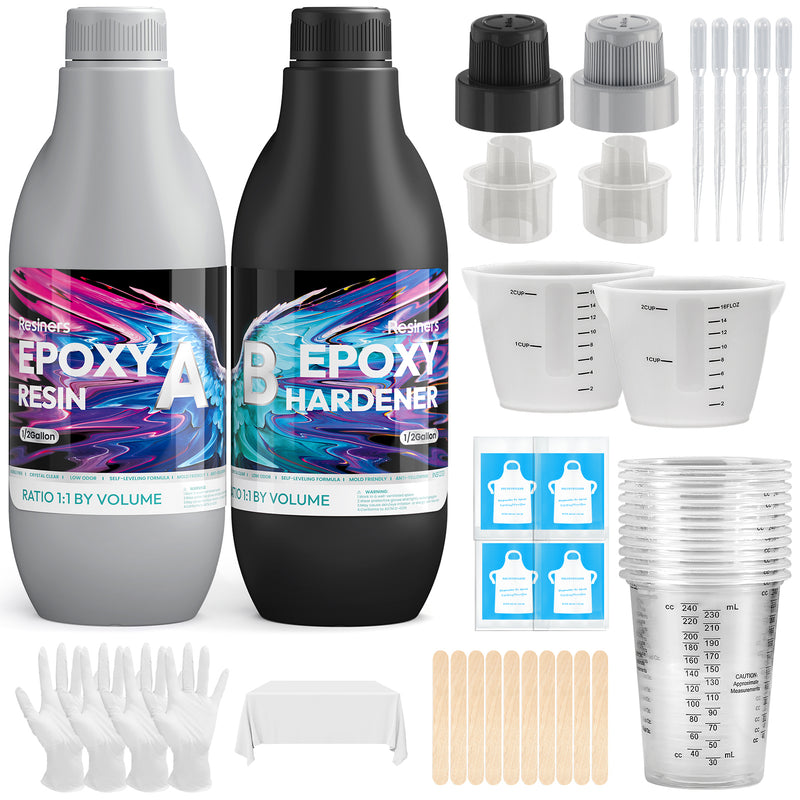


Environmental and Safety Differences Between Resin and Acrylic
Resin Safety
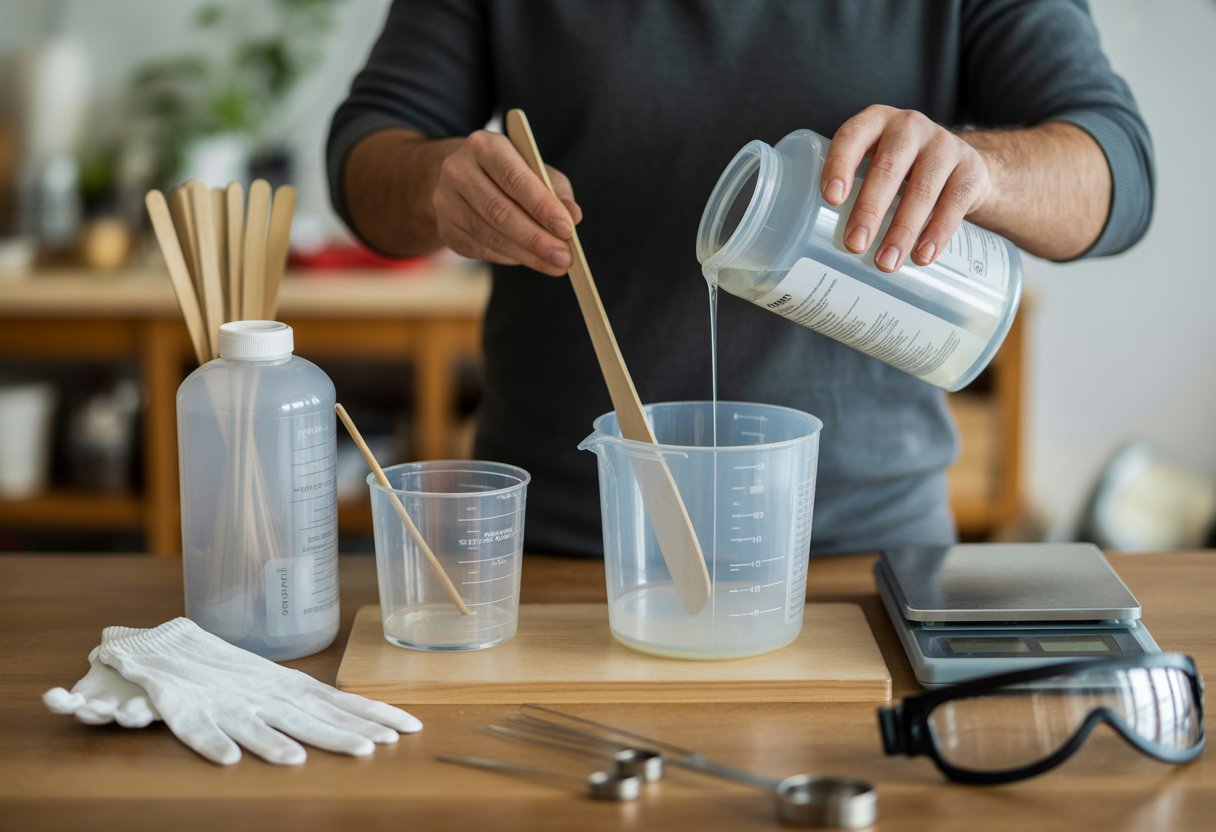
Liquid resin is a chemical that can irritate skin and lungs. You must wear nitrile gloves and a respirator when measuring and mixing. Once fully cured and hardened, it is essentially non-toxic plastic and safe to touch.
Acrylic Safety
Acrylic is generally non-toxic to handle. The danger comes from the tools. Cutting it creates plastic dust (wear a mask) and laser cutting it produces strong fumes that must be vented outside.
Environmental Considerations
Acrylic can be recycled depending on local facilities. Resin cannot be recycled but is used in small quantities for detailed art. Choosing high quality materials helps reduce waste.
✨ Also Read: Can You Mix Acrylic Paint with Resin?
Conclusion
So, when it comes to Resin vs. Acrylic, it is not really about which material is "better." It is about which process fits your tools.
If you are a sculptor who likes to pour, mold, and cast, Resin is your medium. It allows for 3D freedom that sheets can't match. If you are a builder who likes to cut, glue, and construct, Acrylic is your best bet. It offers unmatched clarity and structure.
Both are incredible materials that allow you to create professional, glass-like results right from your home workshop.
Ready to start your next masterpiece? Whether you are casting or coating, make sure you have the best supplies for the job.
- Get bubble-free pours: Bubbles ruin the glass look. Fix it with Resiners Machine Collections.
- Find the perfect mold: Start your casting journey with our Resin Molds Collections.
- Shop crystal clear resin: Ensure your art stays shiny with our premium Epoxy Resin Collections.
- Best for quick jewelry: Need a hard finish in minutes? Try the UV Resin Kit.
FAQs About Resin vs. Acrylic
Is resin stronger than acrylic?
It depends on how you define strength. Resin is generally harder than acrylic, meaning it resists deep scratches better. However, acrylic is stronger against impact. If you hit them with a hammer, resin will likely shatter or crack, while acrylic will likely just bounce or dent.
Can I use acrylic paint in resin?
Yes, but you have to be careful. Acrylic paint is water-based. Epoxy resin hates water. If you add too much paint (more than 5% of the total volume), the water will mess up the chemical reaction. The resin might turn out soft, rubbery, or sticky. For best results, use resin dyes or mica powders.
Does acrylic yellow like resin?
No. This is one of the biggest advantages of acrylic. High-quality acrylic sheets are UV stable. They will remain crystal clear for decades, even near a window. Resin, due to the hardener chemicals, will almost always turn slightly yellow over time if exposed to UV light.
Can I mix resin and acrylic in one project?
You cannot mix them chemically (liquid to liquid), but you can combine them physically. Many artists use acrylic sheets as a base or "canvas" and then pour resin on top of it to add texture and gloss. They bond together very well.



Hinterlasse einen Kommentar
Diese Website ist durch hCaptcha geschützt und es gelten die allgemeinen Geschäftsbedingungen und Datenschutzbestimmungen von hCaptcha.