
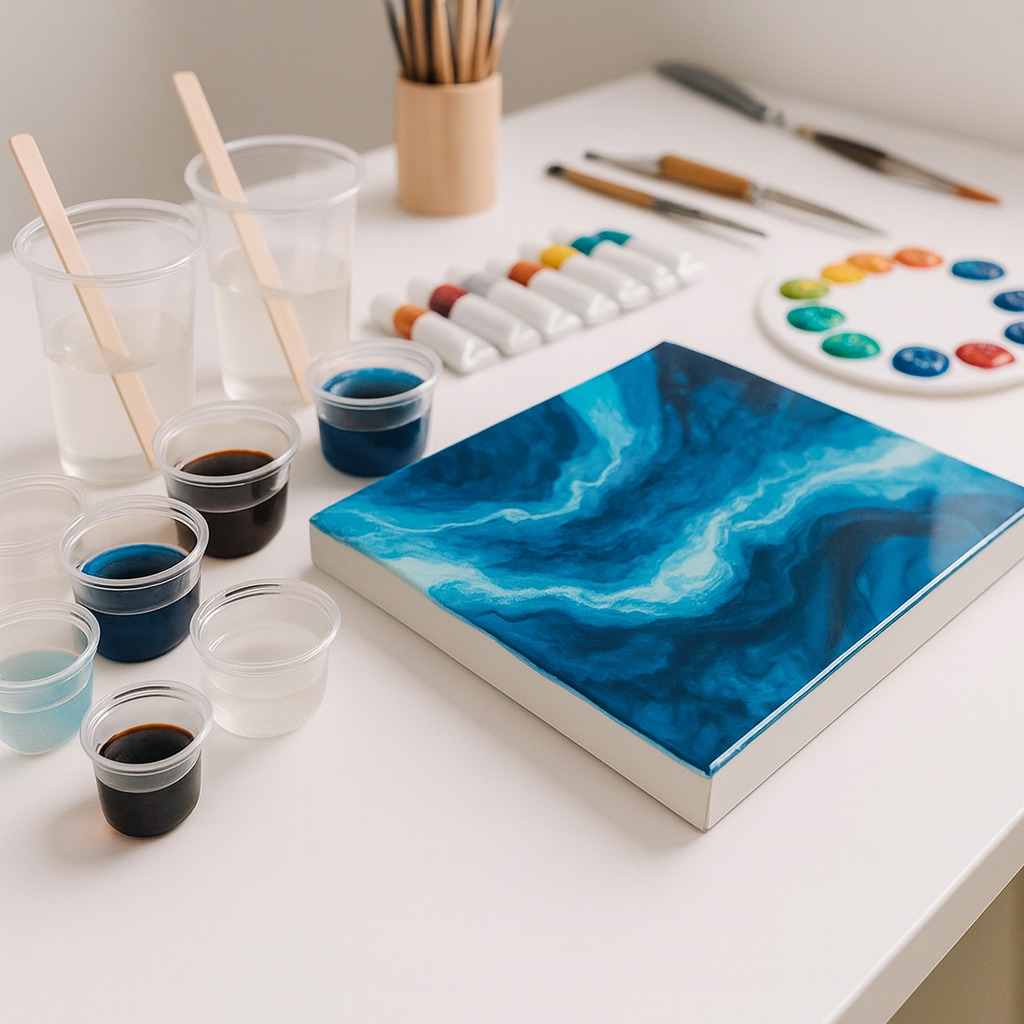
Acrylic paint is a popular choice for many artists and crafters because of its bright colors and easy application. Resin, on the other hand, offers a glossy, durable finish that can turn simple projects into stunning works of art. Many people wonder if these two materials can be combined.
Can you mix acrylic paint with resin? The short answer is yes, but there are some important things to know before you start.
In this article, we will explain how acrylic paint works with resin, how to mix them properly, and tips to get the best results. Read on to learn everything you need to create beautiful resin art with acrylic paint.
How Can You Mix Acrylic Paint with Resin?
Mixing acrylic paint with resin is a popular way to add color to resin projects. Acrylic paint can give your resin a wide range of hues, from soft pastels to bold, vibrant tones. However, it is important to know how acrylic paint interacts with resin to avoid problems during curing.
When you mix acrylic paint with resin, the paint acts as a pigment to color the resin. Acrylic paints are acrylic polymer emulsions, which means they contain some water when wet but dry to a plastic-like finish. Adding too much acrylic paint, especially craft paints with higher water content, can interfere with the resin’s curing process.
This means the resin might stay sticky or not harden properly if you use too much paint. To get the best results, use only a small amount of acrylic paint, usually just a few drops per ounce of resin.
Tips for mixing acrylic paint with resin
- Use fluid or liquid acrylic paints for smoother mixing
- Stir the paint and resin gently to avoid bubbles
- Start with a small amount of paint and add more if needed
- Always test small batches first to see how your specific materials react
- Mix thoroughly but carefully to keep the resin clear and glossy
📌 If you want to explore more about what kinds of paint work best with epoxy resin, check out the article What Paint Can You Mix with Epoxy Resin? on Resiners. It offers detailed advice on paint types and how to use them safely with resin.
Does Acrylic Paint Affect Resin’s Curing Process?

One of the biggest concerns when mixing acrylic paint with resin is whether the paint will affect how the resin cures. Curing means the resin hardens and becomes solid. Adding acrylic paint can sometimes slow down this process or cause the resin to cure unevenly.
Because acrylic paint contains some water and other additives, using too much can interfere with the resin’s chemical reaction. If you add too much paint, the resin may remain sticky or soft even after the recommended curing time.
To avoid this, use only a small amount of acrylic paint and mix it well with the resin before pouring.
How to avoid curing problems
- Use high-quality resin and acrylic paint
- Keep paint amounts low, usually under 10% of the total resin volume
- Mix slowly and thoroughly to combine the materials evenly
- Work in a warm, dust-free area to help resin cure properly
- Remember that some resin brands may tolerate paint better than others, so always test your combination
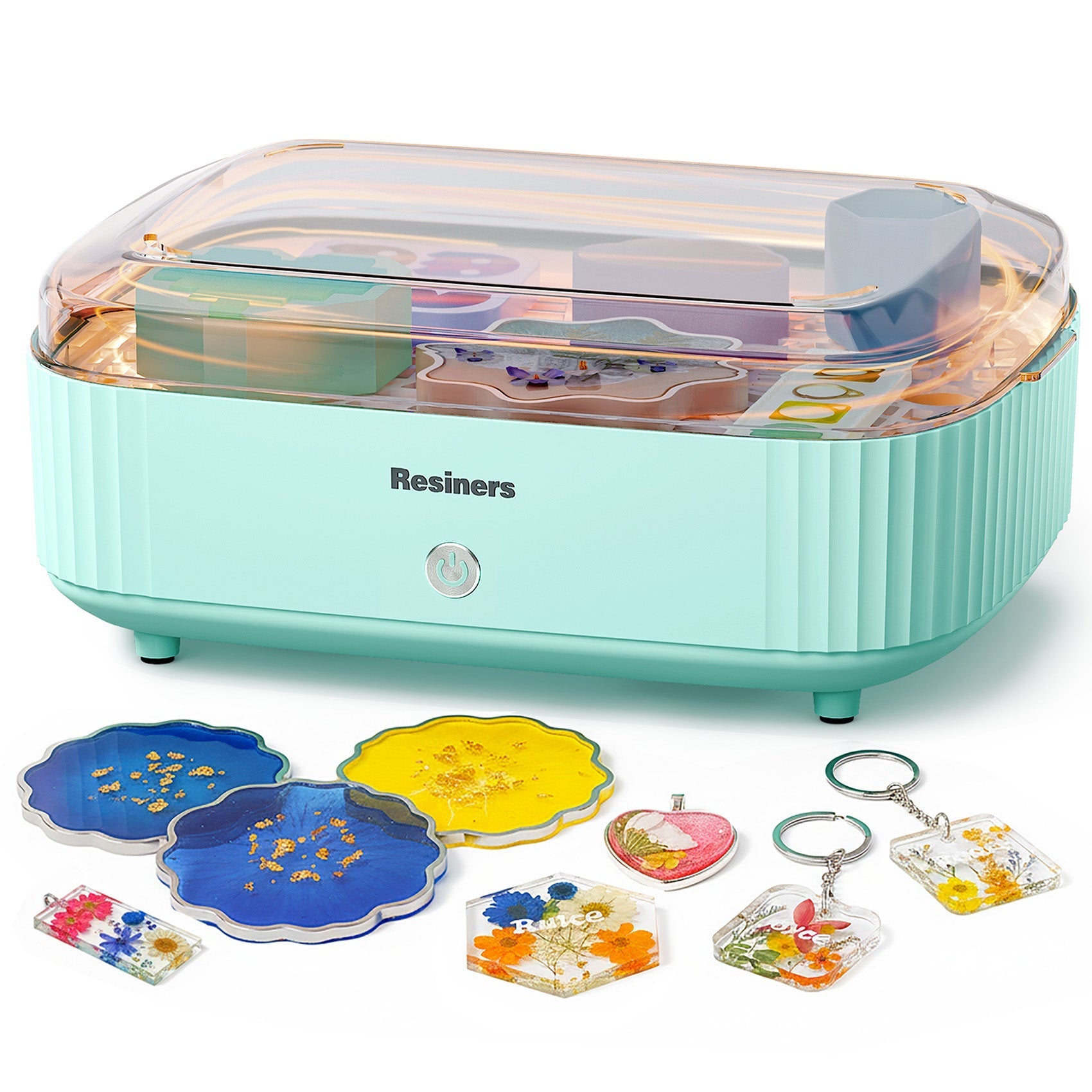
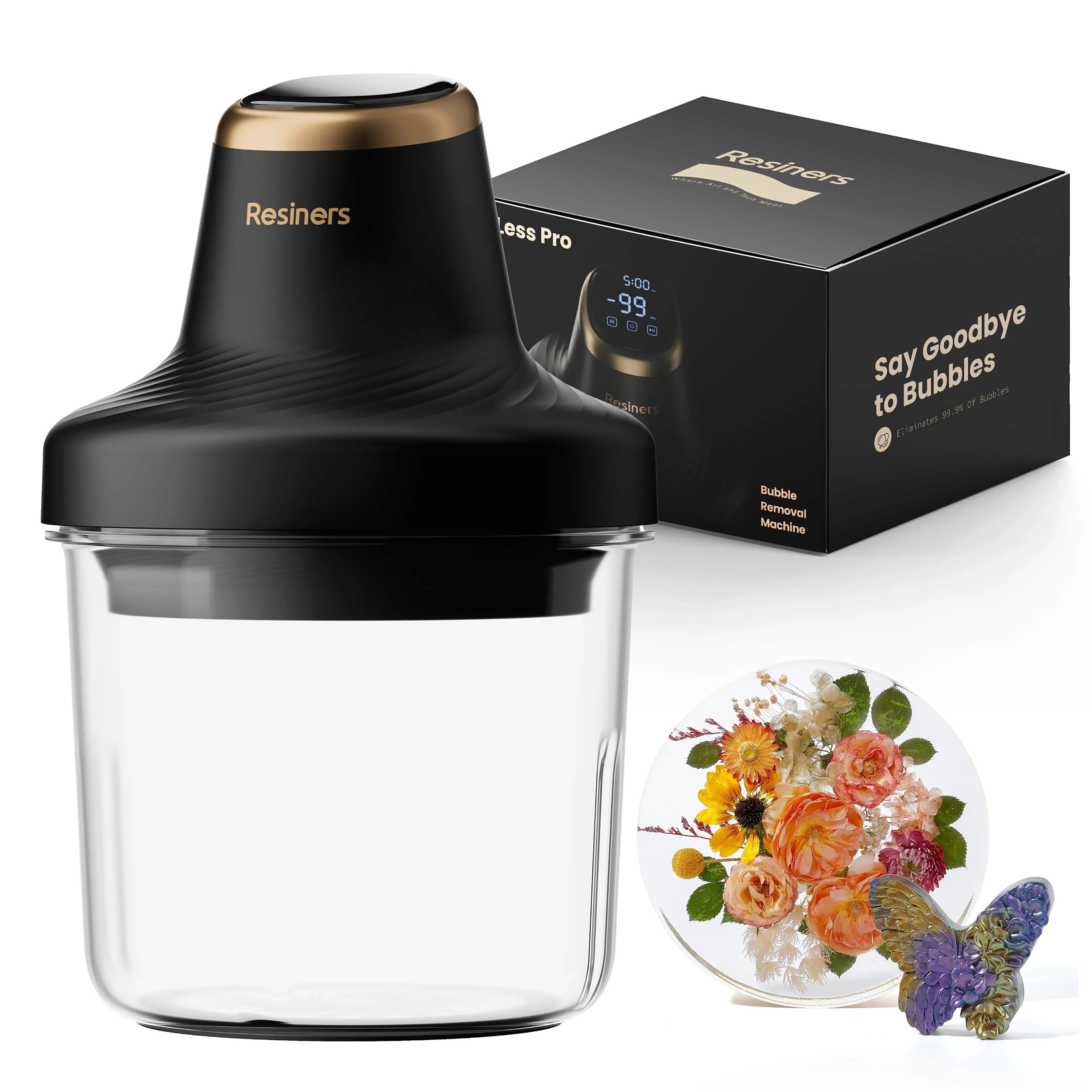
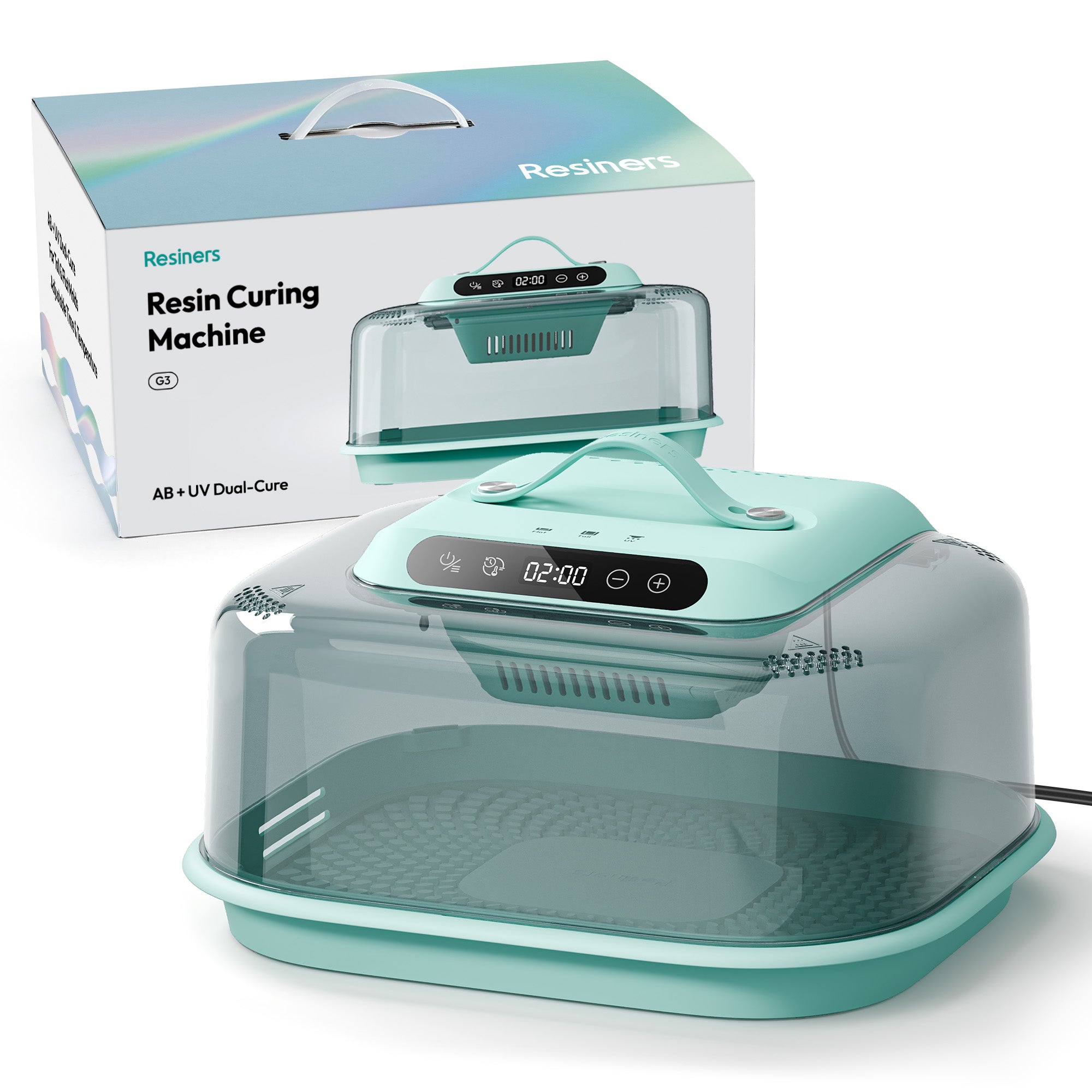
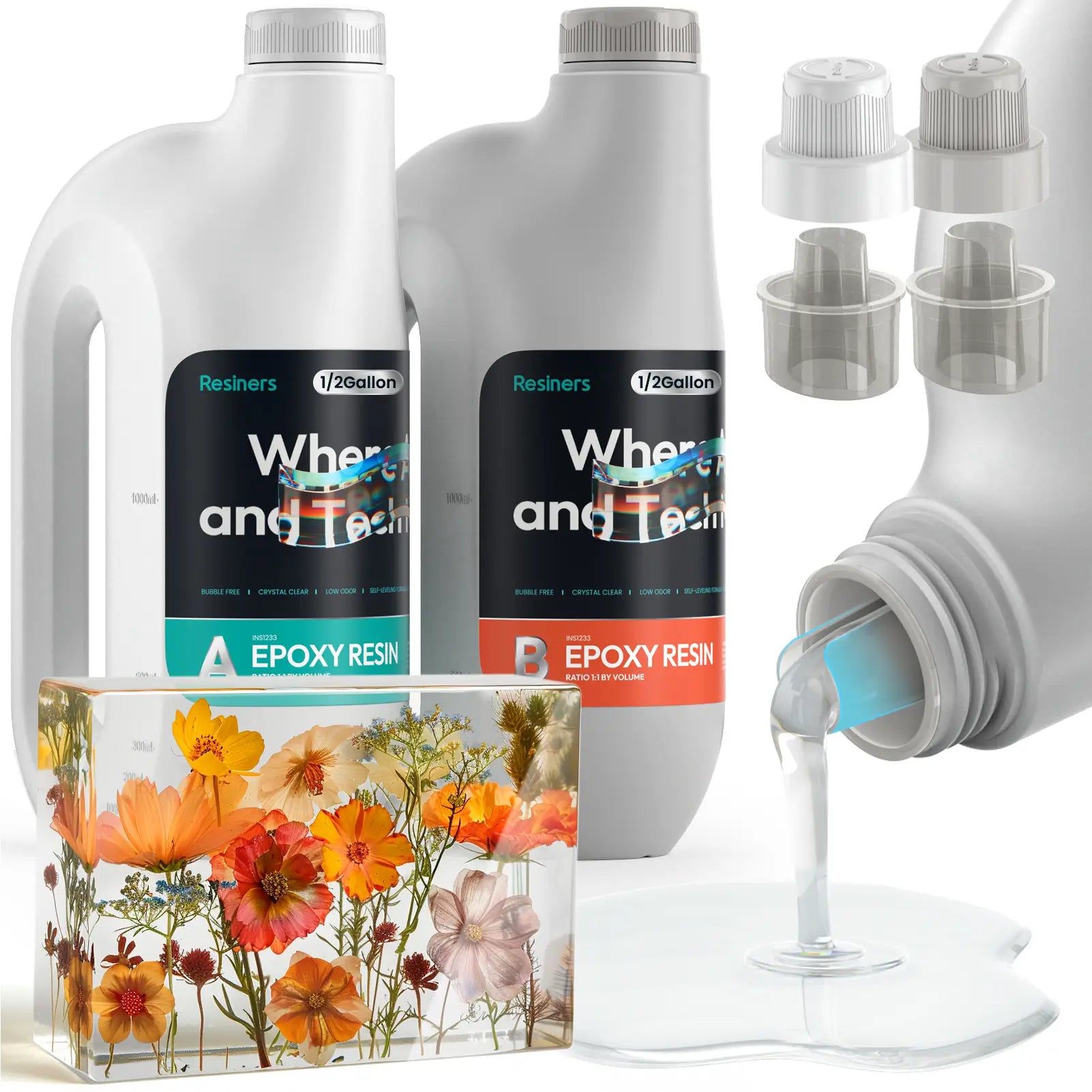
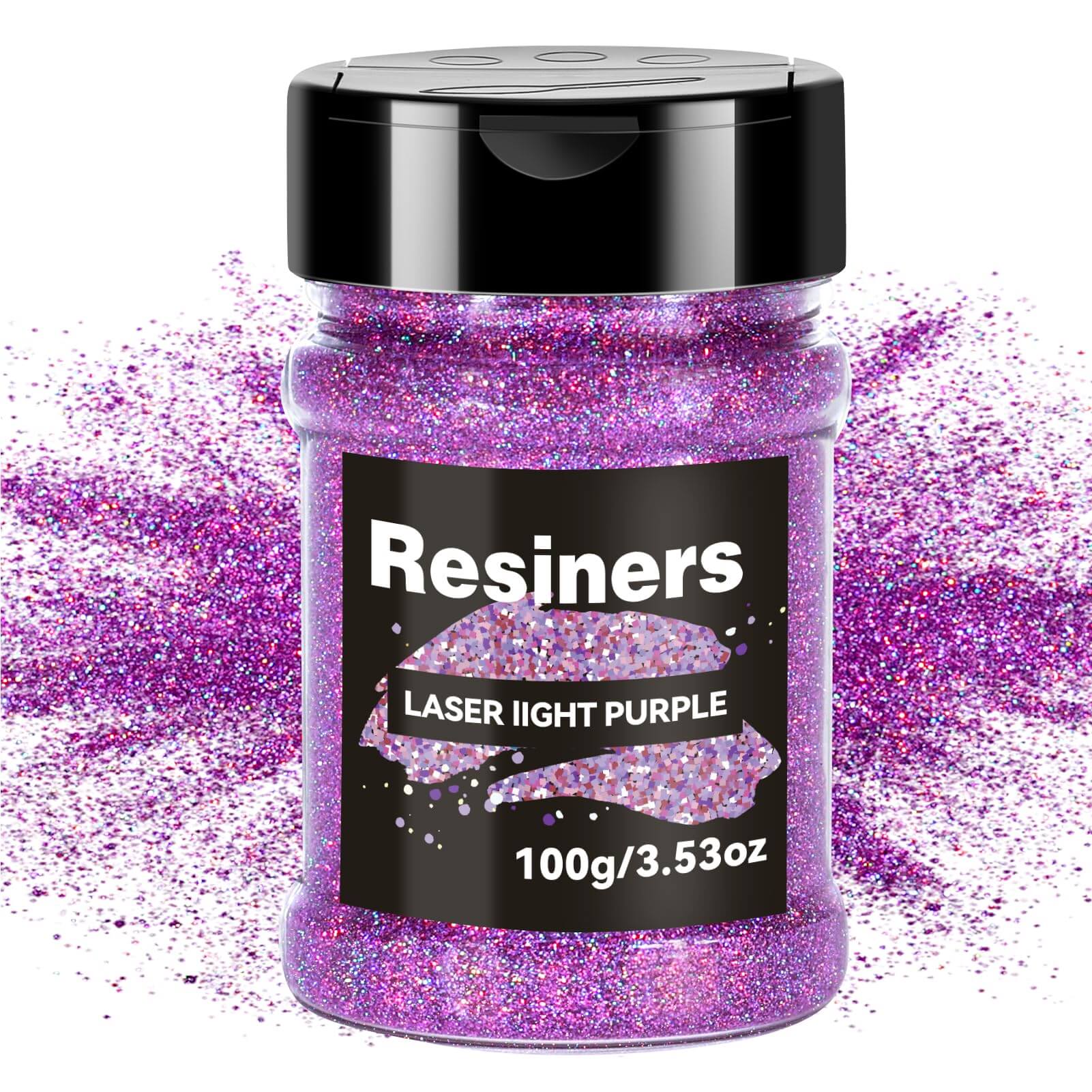
Resiners Products You May Want to Shop
Explore More


📌 If you want to learn how to make alcohol ink with acrylic paint for resin projects, which can be a great alternative coloring method, browse the guide How to Make Alcohol Ink with Acrylic Paint for Resin. It explains how to create vibrant colors that work beautifully with resin.
What Types of Acrylic Paint Work Best When Mixing with Resin?
Not all acrylic paints are created equal when it comes to mixing with resin. Some paints have thicker formulas or contain additives that do not blend well with resin. Choosing the right acrylic paint can make a big difference in your final result.
Fluid acrylic paints or artist-grade liquid acrylics are usually the best choice. They mix easily with resin and maintain their bright colors without causing curing problems. Heavy body acrylic paints, which are thicker, might need to be diluted before mixing with resin.
Choosing the right acrylic paint
- Look for fluid or liquid acrylic paints
- Avoid paints with heavy additives or texture mediums
- Test small amounts before starting your project
-
Use artist-grade paints for better color quality and consistency
📌 For those interested in protecting acrylic paintings with resin, discover the article The Best Epoxy Resin for Acrylic Paint Protection. It offers tips on sealing and finishing acrylic artwork with resin for a long-lasting shine.
How to Mix Acrylic Paint with Resin: Step-by-Step Guide

Mixing acrylic paint with resin is simple if you follow the right steps. Here is a basic guide to help you get started:
- Prepare your workspace: Cover your table and wear gloves to protect your skin
- Measure resin and hardener: Follow the instructions on your resin kit for the correct ratio
- Mix resin and hardener: Stir slowly for at least 3 minutes until fully combined
- Add acrylic paint: Start with a few drops of paint per ounce of resin
- Mix gently: Stir the paint into the resin slowly to avoid bubbles
- Pour and cure: Pour your mixture into your mold or onto your surface and let it cure as directed
Pro tips for mixing
- Avoid overmixing to reduce bubbles
- Use a toothpick or small stick to swirl paint for marbled effects
- Work in a warm room to speed up curing
- If applying resin over acrylic paint, lightly sanding the painted surface can improve adhesion and reduce bubbling
📌 If you want to try coloring resin with different methods, check out How to Color UV Resin. It explains how to add color to UV resin, which cures faster under UV light and can be used for small projects.
Common Mistakes to Avoid When Mixing Acrylic Paint with Resin
Even though mixing acrylic paint with resin is straightforward, beginners often make mistakes that affect the final result. Knowing what to avoid can save you time and materials.
Mistakes to watch out for
- Using too much acrylic paint, which can stop resin from curing
- Mixing too quickly and creating bubbles
- Using thick acrylic paints without thinning them
- Not stirring resin and hardener properly before adding paint
- Pouring resin in a cold or dusty environment
Keeping these tips in mind will help you create smooth, colorful resin pieces without problems. Remember, always test small batches before working on big projects to see how your paint and resin react together.
Conclusion
Mixing acrylic paint with resin is a fantastic way to add color and creativity to your resin projects. You can achieve bright, beautiful colors, but it is important to use the right type of paint and keep the paint amount low to avoid curing problems.
By following simple mixing steps and avoiding common mistakes, you can create stunning resin art with acrylic paint.
If you want to get started with high-quality materials, Resiners offers excellent epoxy resin, UV resin, resin accessories, molders, mica powder, glitters, and other resin equipment and machines perfect for every resin craft. Their products help ensure your projects turn out professional and beautiful.
Frequently Asked Questions About Mixing Acrylic Paint with Resin
Can I mix acrylic paints into resin?
Yes, acrylic paints can be mixed into resin to add color. It is best to use fluid or liquid acrylic paints and add them in small amounts to avoid affecting the resin’s curing process. Mixing thoroughly helps achieve even color distribution.
How much acrylic paint to mix with resin?
A general rule is to keep acrylic paint under 10% of the total resin volume. Usually, a few drops per ounce of resin are enough to add vibrant color without interfering with curing. Adding too much paint can cause the resin to stay sticky or soft.
What happens if you put acrylic paint in resin?
When mixed properly, acrylic paint colors the resin and cures into a hard, glossy finish. If too much paint is added, the resin may not cure correctly, resulting in a sticky or soft surface. Proper mixing and paint amounts are key to success.
Will resin stick to acrylic paint?
Resin generally sticks well to dried acrylic paint, making it a good choice for sealing paintings or layering. However, lightly sanding the painted surface and ensuring it is clean and dry can improve adhesion and reduce peeling or bubbling.
What should you not put in resin?
Avoid adding water, oil-based paints, or too many additives to resin as these can prevent proper curing. Materials like silicone, wax, or certain powders may also interfere with resin’s hardening. Stick to recommended pigments and paints for best results.






Dejar un comentario
Este sitio está protegido por hCaptcha y se aplican la Política de privacidad de hCaptcha y los Términos del servicio.