
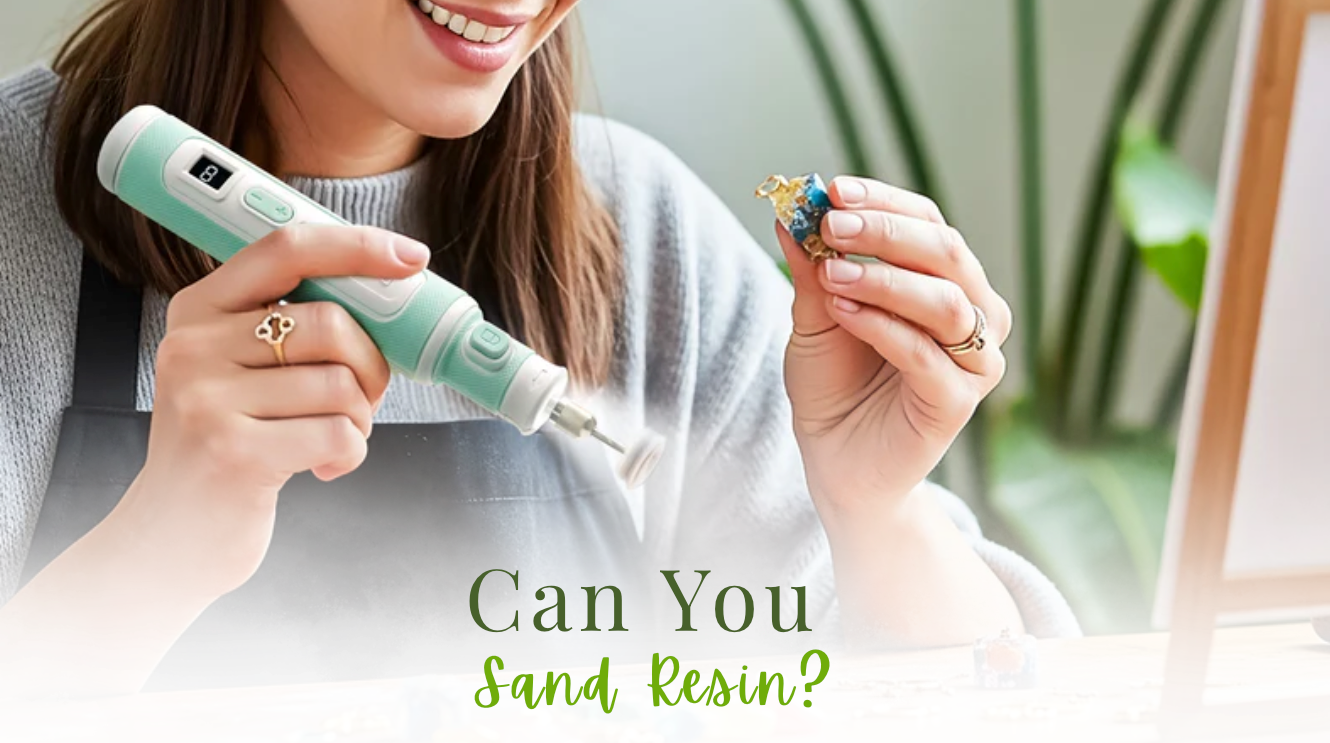
Can you sand resin? Yes, and sanding is one of the best ways to smooth rough edges, remove bumps, fix drips, and prepare your resin for polishing or painting.
Both epoxy resin and UV resin can be sanded once fully cured, and the process is simple when you use the right grit sequence and technique.
Whether you make jewelry, coasters, trays, figurines, or keychains, sanding helps you get a flawless surface.
This guide covers how to sand resin, which tools to use, and how to finish with a clear, polished shine.
Quick Takeaways:
- Yes, you can sand resin, and sanding is often required for a smooth finish.
- Use progressive grits from coarse to fine for best results.
- Wet sanding reduces scratches and keeps the surface cool.
- Sanding fixes bumps, edges, uneven pours, and surface flaws.
- The Resiners Cordless Rotary Tool Kit is perfect for small resin crafts.
Resiners Machines You May Want to Shop
Explore More

Why You Should Sand Resin?
Most people think sanding is only for fixing "oops" moments. While it is great for that, it serves several other purposes in the workshop.
- Fixing Flaws: This is the most common reason. Sanding removes bubbles that popped on the surface, drips, runs, and the "meniscus" (that sharp lip) that forms at the top of a mold.
- Shaping: Sometimes a mold doesn't give you the exact shape you want. Sanding allows you to resize rings, round off dice corners, or create organic, stone-like shapes.
- Surface Prep: If you plan to pour a second layer of resin or paint over your piece, you need to sand it first. Resin is slick. Sanding creates "tooth" or microscopic scratches that act like Velcro for the next layer to stick to.
- The Matte Look: Not everything needs to be shiny. Sanding is how artists achieve that trendy "frosted glass" or "sea glass" matte finish.
Wet Sanding vs. Dry Sanding: Which is Better?
If you ask ten resin experts how they sand, nine of them will tell you to wet sand.
Why Wet Sanding is the Gold Standard
Wet sanding simply means getting your sandpaper and your resin piece wet before you start.
- Dust Control: The water traps the dust particles so they flow into the water instead of floating into the air. This makes it much safer for your lungs.
- Heat Management: Friction creates heat. Resin is a plastic that softens when it gets hot. If you dry sand too fast, the friction can actually melt the surface of your resin, causing it to ball up and get gummy. Water keeps the surface cool.
- No Clogging: Wet sanding prevents the sandpaper from getting clogged with resin dust, which means your sandpaper lasts longer.
When to Dry Sand
You should only dry sand if you are doing major shaping with heavy power tools (like a belt sander) where water could cause an electrical hazard. Even then, you must use a heavy-duty dust extraction system. For 99% of crafters, wet sanding is the only way to go.
The Best Tools for Sanding Resins

You do not need a lot of equipment, but you do need the right equipment.
1. Waterproof Sandpaper
Look for "Wet/Dry" sandpaper at your hardware store. It is usually black or dark grey. You will need a variety of grits (roughness), ranging from 120 grit (coarse) all the way up to 3000 grit (super fine).
2. Sanding Blocks
If you are sanding flat items like coasters or river tables, use a sanding block. This ensures you sand the surface evenly. If you use just your fingers, you might accidentally sand "grooves" into the piece.
3. The Best Tool for Resin Jewelry and Small Crafts
Hand sanding is great, but it is slow. If you are making jewelry, keychains, or dice, sanding by hand can take hours and hurt your wrists.
For these small detailed items, we highly recommend using a rotary tool. Our Top Pick: The Resiners Cordless Rotary Tool Kit.
Why is this tool a game-changer?
- Precision: It comes with specialized buffing and sanding bits that can get into tiny corners that a sanding block cannot reach.
- Cordless Freedom: You are not tethered to a wall. You can hold the piece comfortably and maneuver the tool easily.
- Speed: It turns a 20-minute sanding job into a 2-minute job.
✨Also Read: Resin Polish: Everything You Need for Professional Results
How to Sand Resin: A Step-by-Step Guide
Ready to smooth out those edges? Here is the exact process to get a flawless finish.
Step 1: Preparation
Fill a bowl with water. If the piece is small, you can dip it in the bowl. If it is large, keep a spray bottle handy to mist the surface constantly. Put on your mask and goggles.
Step 2: The Grit Progression (The Rule of Numbers)
Sanding is all about patience. You must start with low numbers (rough) and work your way up to high numbers (smooth).
-
Shaping (120 to 400 Grit): Start here if you have big bumps or sharp edges. Dip the sandpaper in water and sand in circular motions.
- Note: This will leave deep white scratches on your piece. Do not panic. This is part of the process.
- Smoothing (600 to 1000 Grit): Once the shape is correct, switch to medium grit. This step removes the deep scratches left by the coarse paper. The resin will still look frosty, but the surface should feel smooth to the touch.
- Refining (1500 to 3000+ Grit): This is where the magic starts. As you move into these high numbers, the "frostiness" becomes more transparent. The scratches become so tiny they are hard to see with the naked eye.
Step 3: Cleaning Between Grits
This is a pro tip that many beginners miss. You must wipe the piece clean between every grit change. If a piece of coarse 120-grit dust stays on the resin when you switch to 1000-grit paper, that little rock will drag around and create deep scratches that ruin your finish. Wipe it down with a damp paper towel every time you switch papers.
✨Also Read: Can You Sand Epoxy?
After Sanding: How to Make Resin Clear Again
You have finished sanding. Your piece is smooth, but it looks terrible. It is cloudy, white, and dull.
Do not worry. Sanding creates texture. To get the shine back, you need to fill in that texture. You have two options.
Option A: Polishing (The Professional Finish)
If you want a mirror-like shine without adding more resin, you need to polish.
- Attach a felt buffing wheel to your Resiners Rotary Tool.
- Apply a plastic polishing compound (like a headlight restorer or a specialized resin polish paste) to the resin.
- Buff the surface at a medium speed. The compound fills the microscopic scratches and creates a high-gloss shine.
Option B: The Top Coat Method (Doming)
This is the easier method if you are not comfortable polishing.
- Clean the sanded piece with alcohol to remove any dust.
- Mix a small amount of fresh resin.
- Paint a thin layer over the sanded area. The liquid resin fills in all the sanding scratches instantly. As it cures, it will dry crystal clear and glossy.
Conclusion
So, can you sand resin? Yes, and you absolutely should.
Sanding is the bridge between a raw casting and a finished product. It allows you to perfect the shape, remove imperfections, and ensure your art feels as good as it looks. The key is to respect the process: keep it wet, wear your safety gear, and do not skip steps in your grit progression.
It might look scary when your clear resin turns white and cloudy, but trust the process. With a little polishing or a fresh top coat, that clarity will return brighter than ever.
Ready to upgrade your finishing game? Make sure your studio is stocked with the best tools for the job.
- The Ultimate Sanding Tool: Save time and your wrists with the Resiners Cordless Rotary Tool Kit.
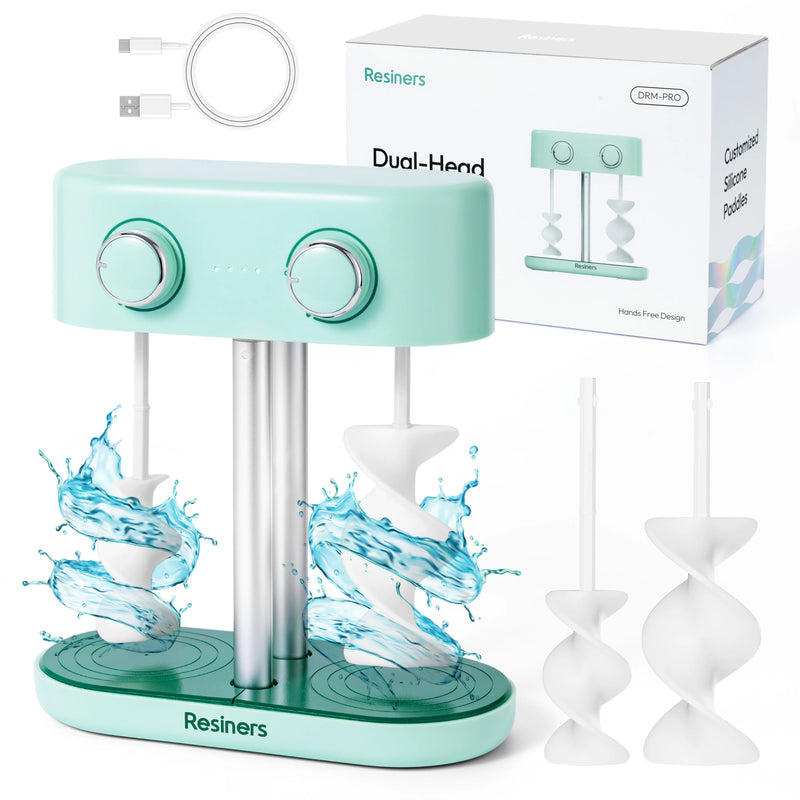
- Bubble-Free Mixing: The less bubbles you have, the less sanding you need to do! Check out the Bubble Removal Machine.
- High-Gloss Resin: Start with the best material using our Epoxy Resin Collections.
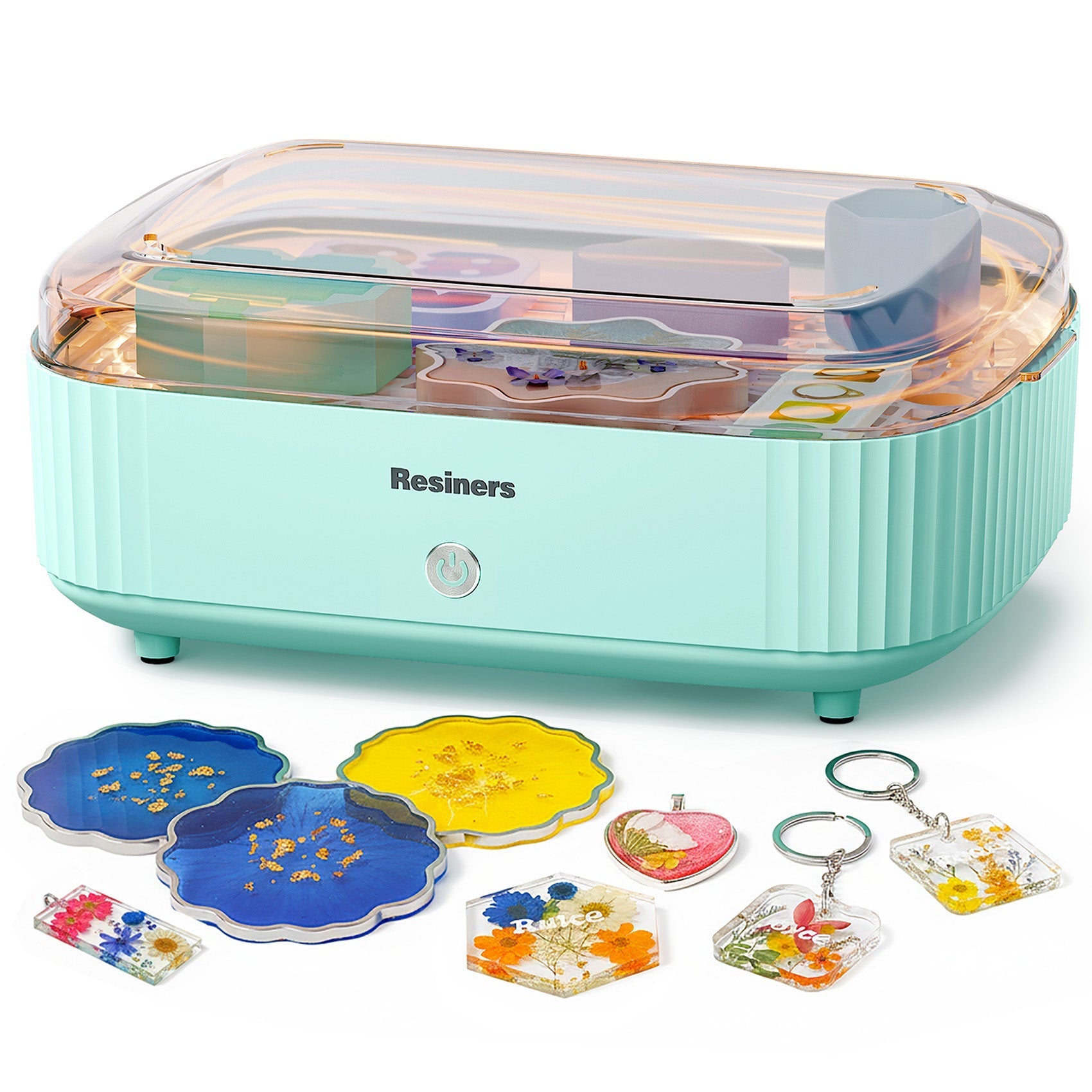
- Quick Cure Projects: Perfect for small charms that need quick sanding and finishing, try our UV Resin Kit.
FAQs About Sanding Resin
Why does my resin look cloudy after sanding?
This is completely normal! Sanding works by scratching the surface. Those millions of tiny scratches scatter the light, making the clear resin look white. To make it clear again, you must polish it with a compound or apply a fresh top coat of resin to fill in the scratches.
Can you sand UV resin?
Yes, UV resin sands just like epoxy resin. However, because UV resin pieces are usually very small (like earrings or charms), holding them by hand can be difficult. We recommend using a Rotary Tool for these small items to avoid sanding your fingertips.
What grit sandpaper should I start with for resin?
It depends on the condition of your piece. If you need to remove a large drip or a sharp corner, start with 120 or 240 grit. If the piece is already the right shape and you just want to smooth the surface, start with 600 grit. Starting too rough creates extra work for yourself.
Can I use a nail file to sand resin?
In a pinch, yes. High-quality nail files and buffing blocks are essentially sandpaper glued to foam. They work well for small touch-ups on jewelry edges. However, for larger surfaces, they might leave an uneven finish compared to proper sandpaper or a sanding block.









Laisser un commentaire
Ce site est protégé par hCaptcha, et la Politique de confidentialité et les Conditions de service de hCaptcha s’appliquent.