
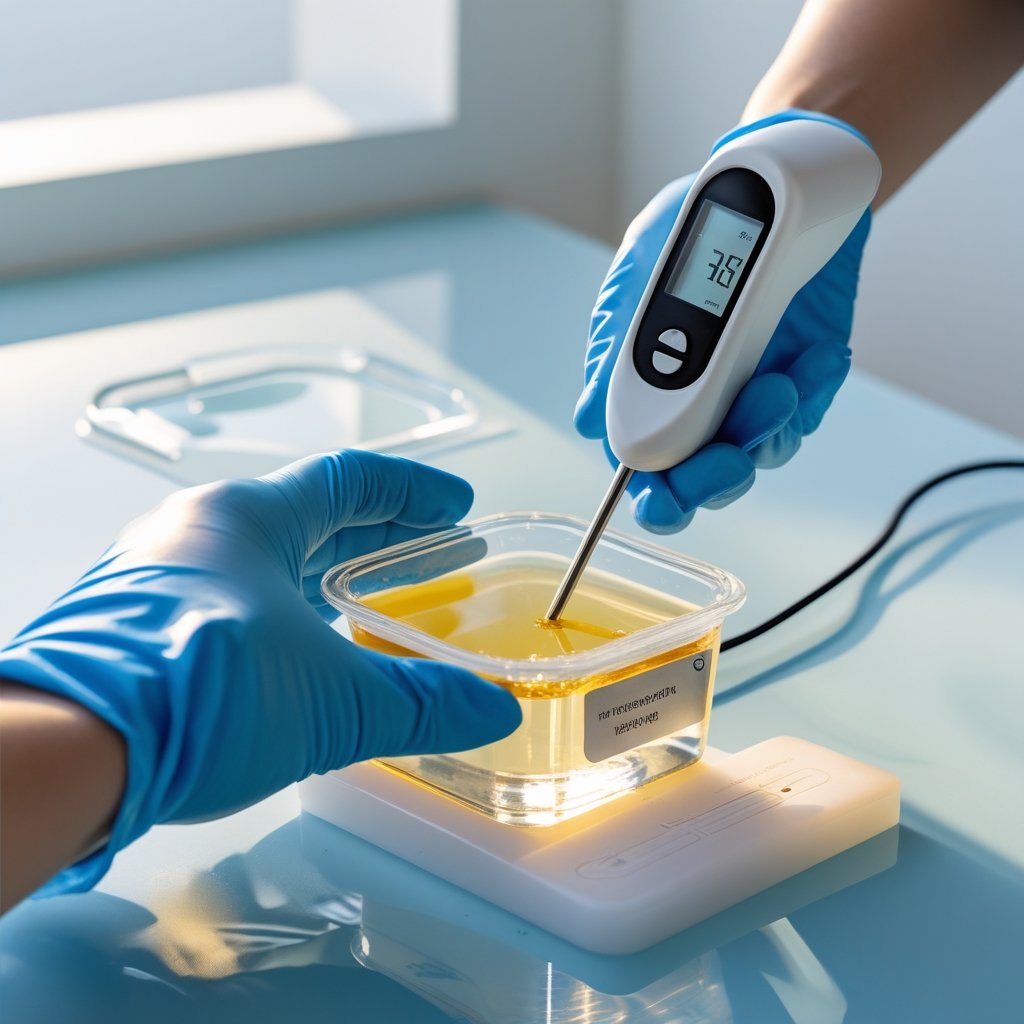
How to warm up resin? Place sealed resin bottles in a warm water bath (80-100°F) for 10-15 minutes before mixing. Warming resin reduces viscosity, makes bubbles easier to remove, and improves flow for smoother, clearer results.
Cold resin is thick and difficult to work with, trapping more air bubbles during mixing. Proper warming techniques speed up your workflow and prevent common problems like cloudy finishes and uneven curing.
In this guide, we'll cover the best methods to warm resin safely, ideal temperature ranges, and critical mistakes to avoid. Let's ensure your resin projects start with perfectly warmed material!
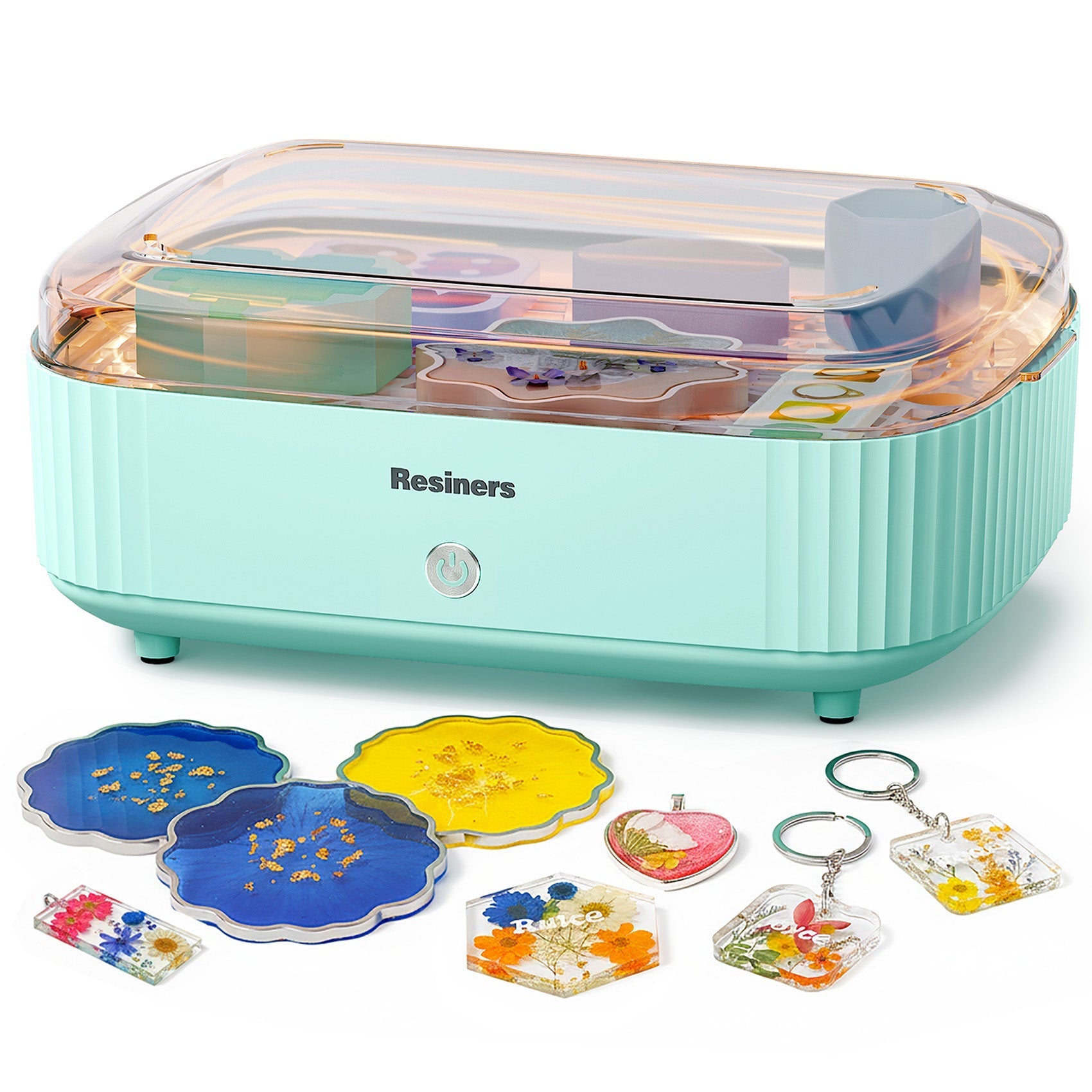
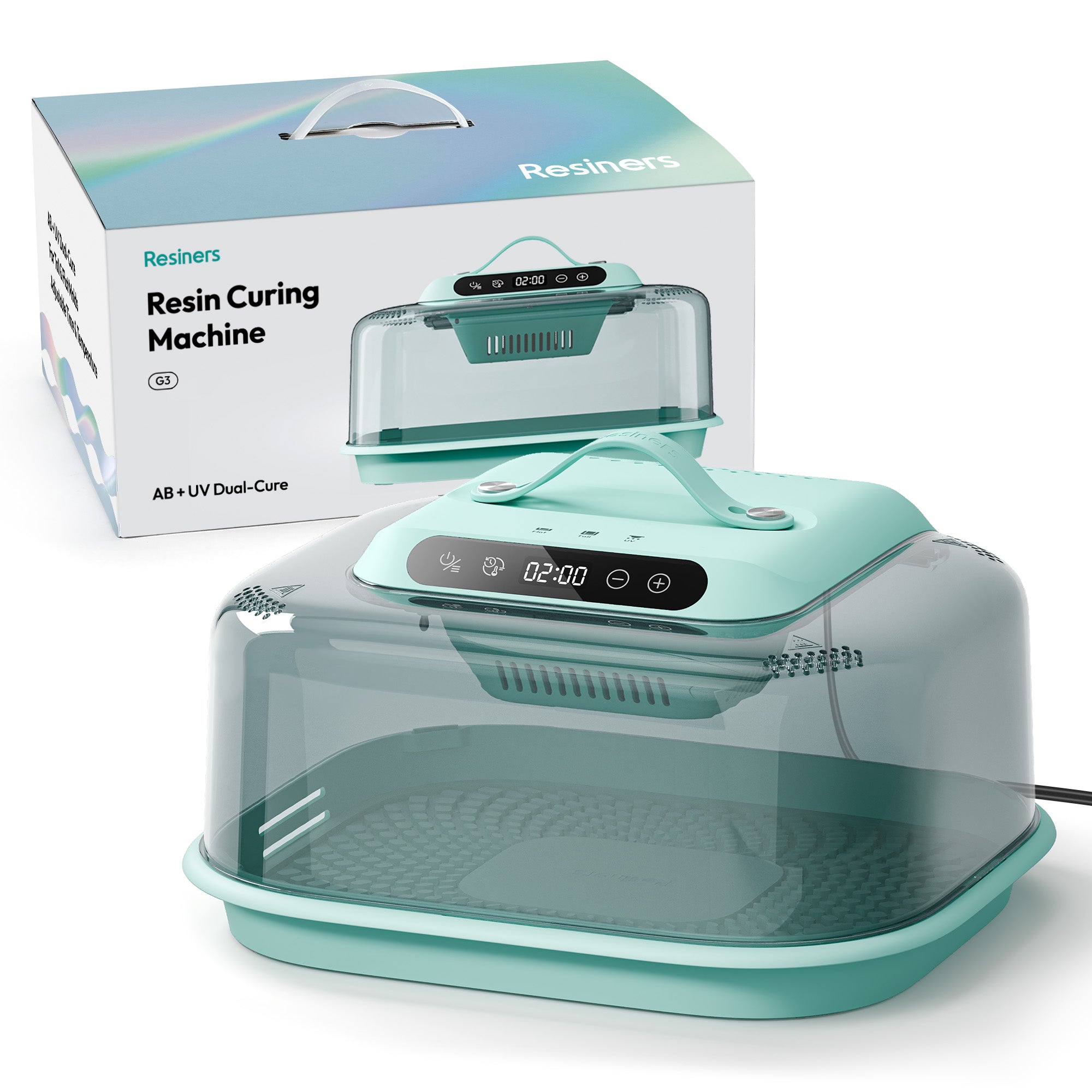
Maintain perfect curing conditions with our resin curing station for consistent temperature control.
Why Warming Resin Matters

Temperature changes how resin flows, traps air, and cures. If you get this part wrong, you’ll probably deal with bubbles and tacky spots.
How Temperature Affects Resin Viscosity
Viscosity is just a fancy way of saying how thick or runny a liquid is. Cold resin turns thick and syrupy; warm resin moves around a lot easier.
When resin hangs out in a cold room, it thickens up. Pouring and measuring get tricky. Thick resin doesn’t self-level well, so you’re more likely to see uneven spots and ridges in your finished piece.
Below 70°F, most epoxy resins get noticeably thicker. Once you’re above 75°F, things flow much better.
It’s pretty straightforward: warm resin is less viscous, cold resin is more viscous. Warm those bottles up, and you’ll have an easier time all around.
Reducing Bubbles Through Proper Warming
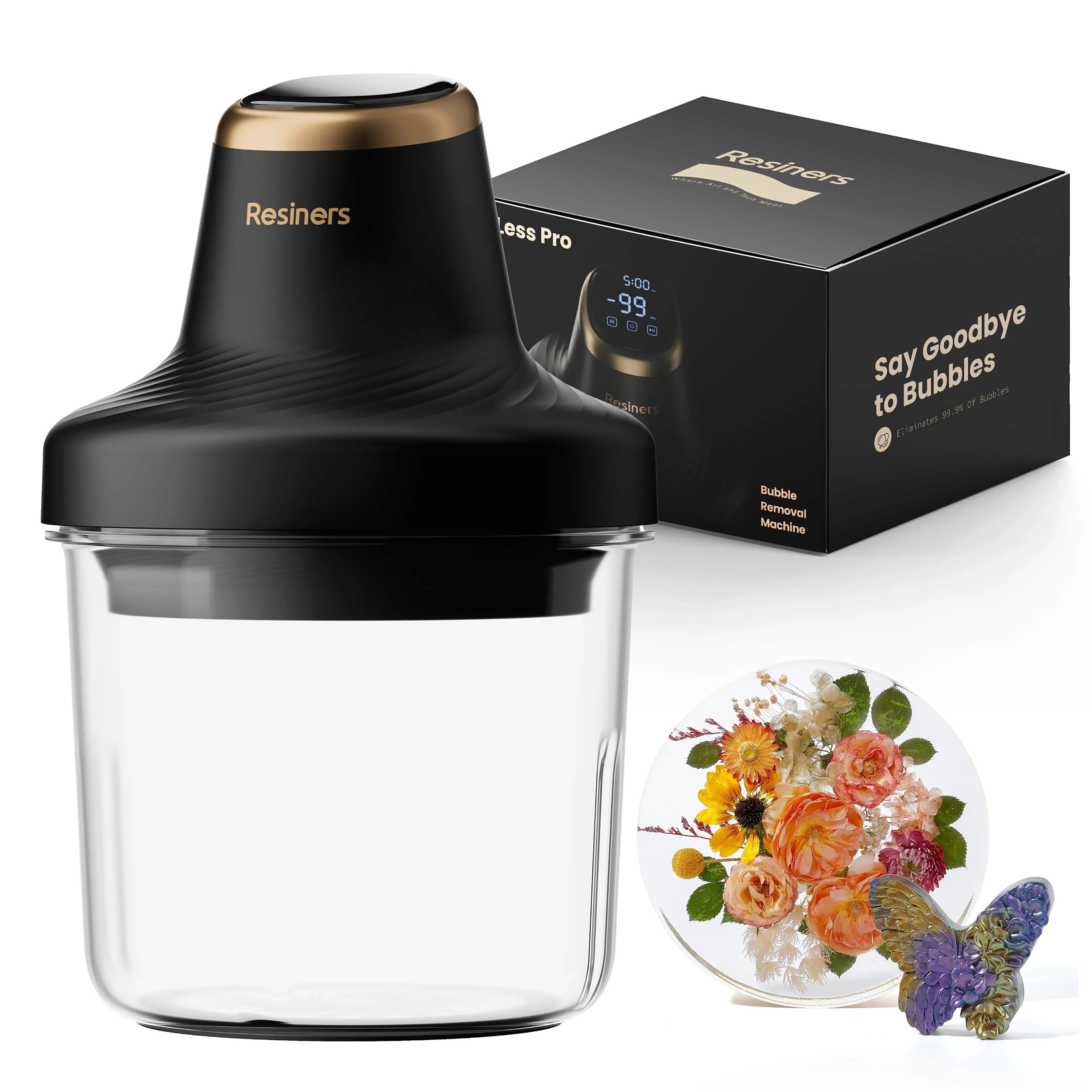
Warming resin before you mix really cuts down on bubbles. Thick, cold resin just traps air as you stir, and those bubbles get stuck inside.
Mixing cold resin leads to tons of tiny air pockets. They get locked in and don’t rise out easily. The thicker the resin, the harder it is for bubbles to escape.
Warm resin is thinner, so air bubbles can move up and pop on their own. With that smoother consistency, trapped air just finds its way out. So, you’ll see fewer bubbles in your finished piece and spend less time fussing with a torch or heat gun.
Warming also helps you mix the resin and hardener more thoroughly. That means a better chemical reaction and a stronger final cure.
Ideal Temperature Range For Resin
Most epoxy resins work best between 75°F and 85°F. That’s the sweet spot for flow without kicking off the exothermic reaction too quickly.
Your workspace matters too. Try to keep it between 70°F and 80°F. If it drops below 65°F, curing slows way down and you might get tacky resin that never fully sets.
Warm resin bottles in a water bath for 10-15 minutes. Water should be warm to the touch—shoot for 80°F to 90°F, definitely not hot or steaming. Avoid microwaves or direct heat sources.
ArtResin and similar brands say to store resin at room temp if you can. If your bottles are cold, warming them up first makes a huge difference. Remember, though—warmer resin cures faster, so you’ll have less working time.
Don’t go over 90°F. Too much heat can make resin cure way too fast, overheat, and even crack or yellow your piece.
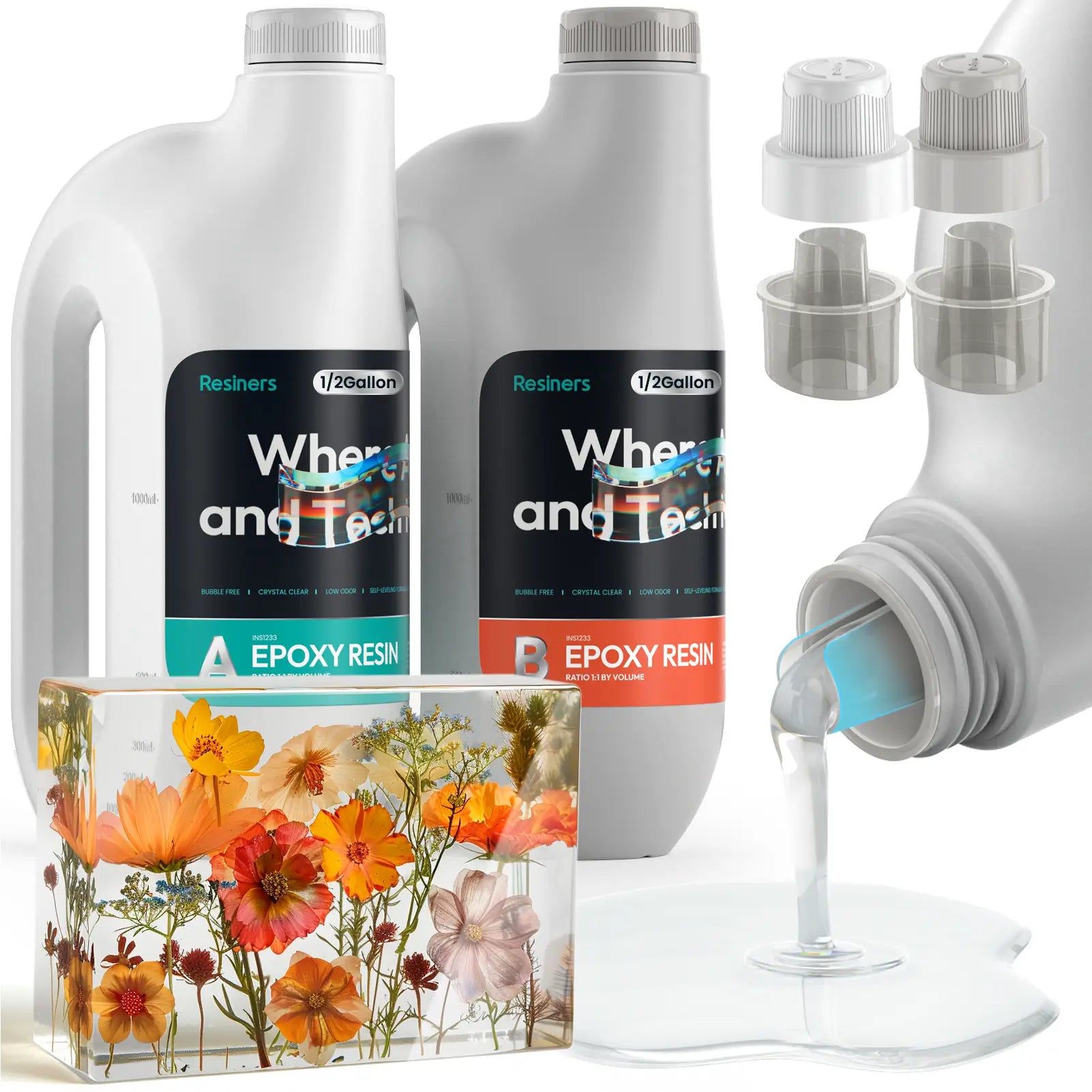
Start with quality materials from our non-toxic epoxy resin collection for clearer, safer results.
Safe Methods To Warm Up Resin

If you warm resin the right way, it’s easier to work with and you’ll get fewer bubbles. But you’ve got to avoid anything that’ll cause early curing or mess with your materials. Water baths, heat mats, and just letting resin reach room temp naturally are the safest bets.
Using A Water Bath To Heat Resin
Stick your tightly capped resin and hardener bottles in a container of warm water. The water should feel like a comfy bath—not hot.
Keep bottles upright in a tall container so they don’t tip. Water should come about halfway up the bottles. Let them sit for about 15 minutes.
Quick safety checklist:
- Keep those caps tight the whole time
- Don’t dunk the bottles all the way under
- Dry them off completely before opening
If you get water in your resin, you’ll end up with cloudy, milky epoxy. Once warmed, measure and mix right away. The resin will cure faster, so expect your working time to drop by about 10 minutes.
Don’t let warmed resin just sit in the mixing cup—heat speeds things up and you could end up with a solid lump before you’re ready.
Heating Resin With A Heat Mat
Heat mats give your resin a gentle, steady warmth. Lay the mat out, put your bottles on it, and let them sit for 30-60 minutes.
Stick to low or medium heat—high is risky and can start curing the resin in the bottle.
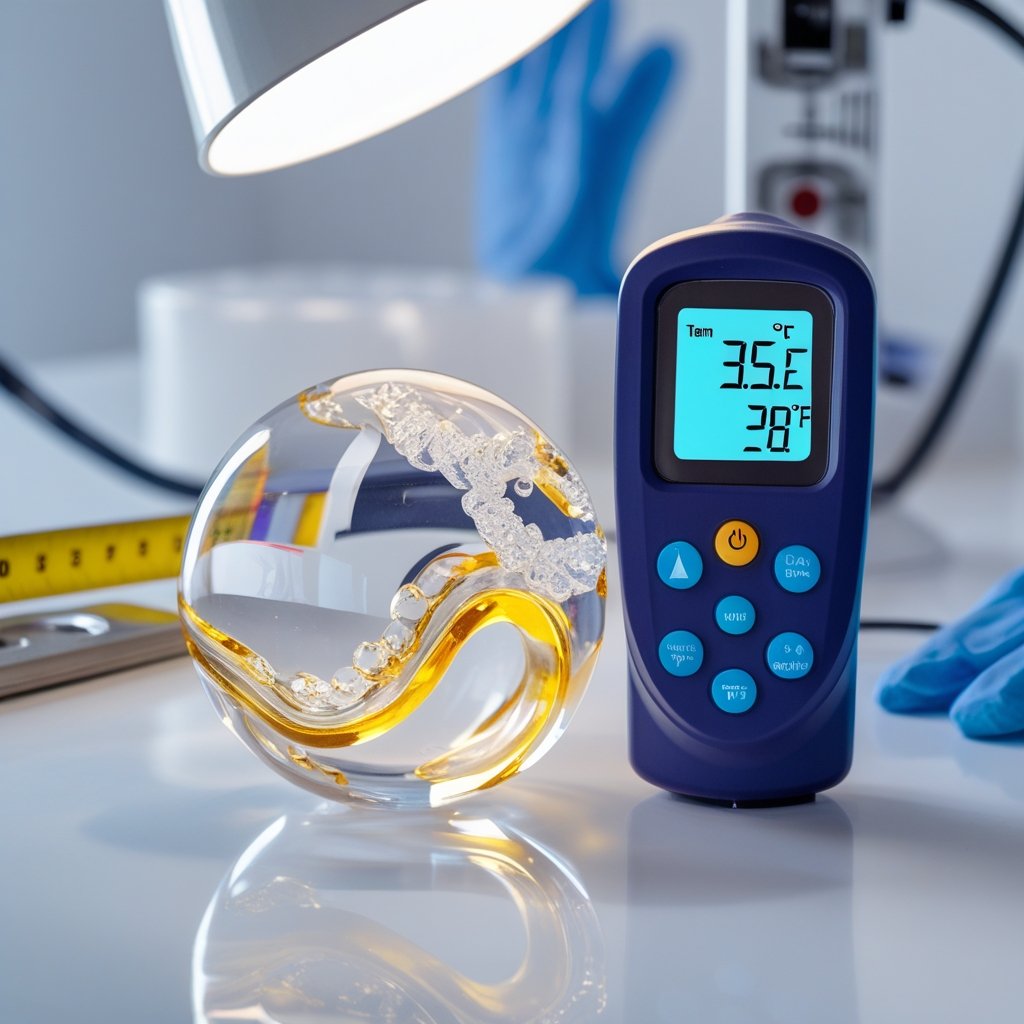
If you can adjust the mat, aim for 75-85°F. A little temperature gauge helps you keep tabs. Heat mats work well if you know you’ll be using resin later in the day.
They’re safer than water baths, since there’s no risk of water getting in. Plus, you can warm up a bunch of bottles at once.
Room Temperature Warming Tips
Move your resin bottles to a warm room a few hours before you need them. It’s the safest way—no risk of overheating.
Set bottles near (but not right on) a heater or in a sunny spot. Keep your workspace at 75-85°F if you can, and let it stay that way during the first 24 hours of curing.
Room warming is best when:
- You’ve got a few hours to spare (4-6 is good)
- Your space stays warm and steady
- You’re working with smaller bottles
This way takes longer, but you get the most control. The resin reaches a perfect consistency, and you’re not in a rush to use it.
Common Mistakes To Avoid When Warming Resin
Warming resin the wrong way can wreck your project before you even pour. The biggest mistakes? Using the wrong heating method, cranking the heat too high, and bad timing.
Why You Should Never Microwave Resin
Microwaves heat unevenly and way too fast. You’ll get hot spots in the bottle, which can cause the resin to start curing in patches—even inside the bottle. Once that happens, you can’t use it.
There’s just no good way to control the temperature in a microwave. Go a few seconds too long, and you’ve overheated the resin. That messes up the chemical structure before you even add hardener.
Microwaves also make trapped air expand quickly, which just creates more bubbles that won’t rise out. Even if the resin doesn’t cure in the bottle, you’ll see those bubbles in your finished piece and they’re tough to get rid of.
Overheating Dangers And Warning Signs
Resin shouldn’t feel hot to the touch. If the bottle’s uncomfortable to hold, you’ve gone too far. Stick to 75-85°F—just a little warm, not hot.
Watch out for these signs you’ve overheated:
- Too thin—if it’s almost watery, that’s not right
- Yellowish tint showing up in clear resin
- Strong chemical smell that’s more intense than usual
- Bottle feels hot instead of just warm
Overheated resin can cure way too fast—sometimes in minutes. You barely have time to pour or spread it, let alone pop bubbles. It gets unpredictable, and you might end up tossing the whole piece.
Timing Your Warming Process Correctly
Don’t warm resin hours ahead of time. It cools off fast, and in 20-30 minutes, it’s back to room temp. Warm it right before you’re ready to measure and mix.
Keep resin in the water bath for 10-15 minutes max. Check the temperature with your hand every few minutes. If you’re using a water bath, the water should never be steaming.
Don’t try to warm resin after you’ve mixed it with hardener. That just speeds up curing and can overheat the whole cup. Always warm the bottles before you measure out what you need.
Practice your warming technique with our unique resin molds - perfect for small test pours.
Conclusion: How to Warm Up Resin
Warming resin properly transforms thick, bubble-filled material into smooth, workable liquid that flows beautifully and cures clear. A simple 15-minute water bath at the right temperature prevents most common resin problems and improves your final results.
Remember to always keep bottles sealed during warming, use gentle heat, and never rush the process with microwaves or direct heat. These best practices ensure safe handling and professional-quality projects every time.
Ready to perfect your resin finishing techniques? Check out our guide on sanding resin to learn how to achieve flawless surfaces on your cured pieces!
Frequently Asked Questions: How to Warm Up Resin
Warming resin depends on your workspace and how cold your materials are. Most people wonder if it’s really necessary, what’s safest, and how long it takes.
Do you have to heat up resin?
Not if your resin and workspace are already at room temperature (75-85°F or 24-30°C). Cold resin becomes thick, traps more bubbles, and causes problems in finished projects. Warm up resin if it feels thick, especially in winter, or it won't mix or cure properly.
How to warm up your resin?
Place capped resin and hardener bottles in a container with warm water (baby bath temperature) halfway up the bottles. Let them sit for 15 minutes, keeping caps on to prevent water entry. Dry bottles completely before opening—water contamination causes cloudy curing.
How long does resin take to warm up?
A standard 32 oz kit takes about 15 minutes in a water bath. Smaller bottles warm faster, while larger bottles or extremely cold resin may need extra time. Bottles should feel warm to the touch, not hot, when ready.
Can I put resin in the microwave?
Never microwave resin—it heats unevenly, creates hot spots, and can cause instant curing inside the bottle. Use a water bath instead for gentle, even warming without overheating risks. Microwaving also damages plastic bottles and releases harmful fumes.



Laisser un commentaire
Ce site est protégé par hCaptcha, et la Politique de confidentialité et les Conditions de service de hCaptcha s’appliquent.