

Want to know how to start a resin business from home and turn your crafting hobby into profit? Starting a resin business is more accessible than ever, requiring minimal startup costs and a dedicated workspace in your own home.
The resin market continues to grow as customers seek unique, handmade products like jewelry, home décor, and personalized gifts. With the right supplies, a clear plan, and effective marketing, you can build a profitable business while working on your own schedule.
In this guide, we'll walk you through everything you need to launch your resin business from home successfully. Let's turn your creative passion into a thriving income stream!
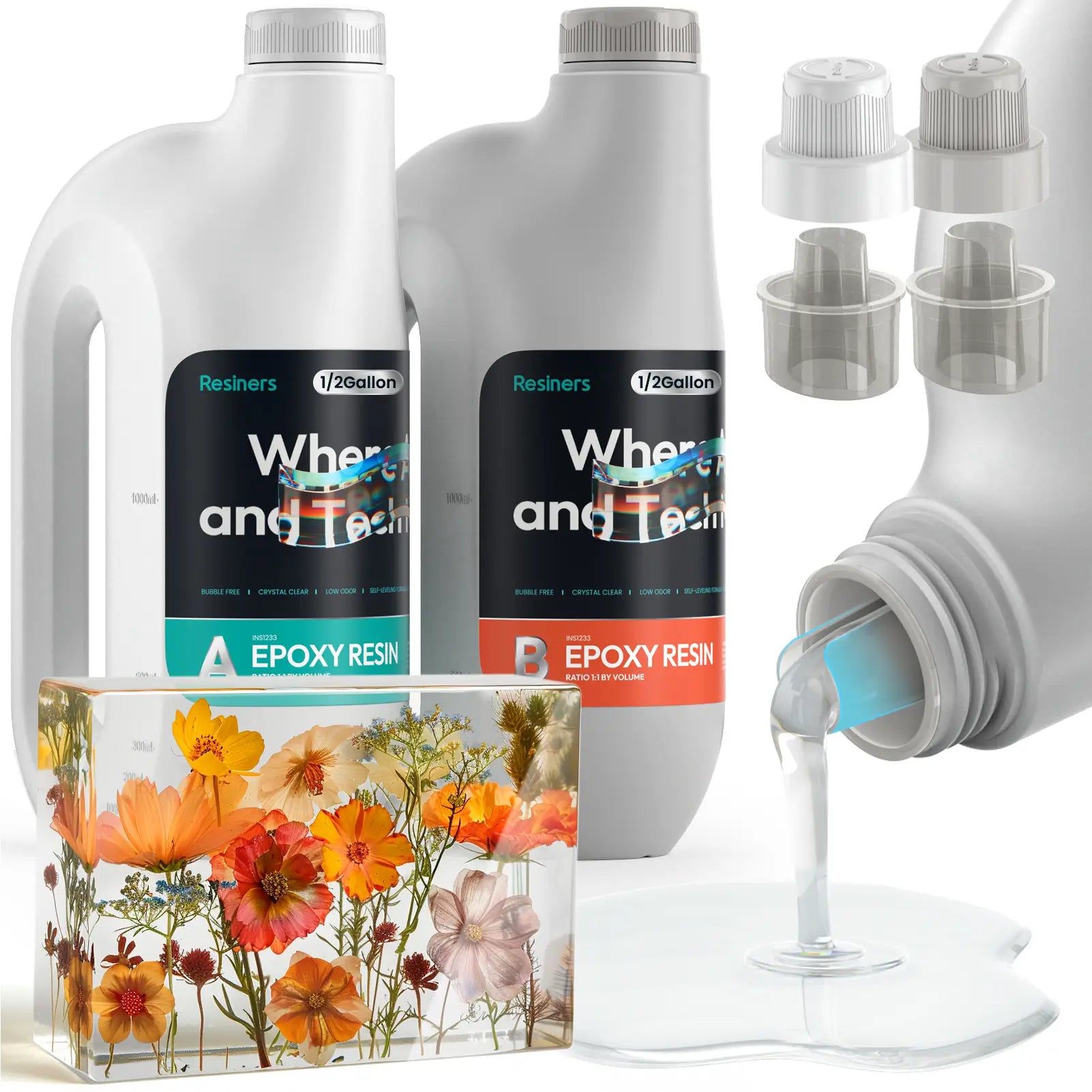
Ready to stock your workspace? Browse our collection of non-toxic epoxy resin perfect for your new business.
Setting Up Your Resin Business Workspace

A good workspace keeps you healthy and helps you make quality products without hassle. You’ll need fresh air, proper equipment, and some smart organization to handle resin safely.
Choosing the Right Space for Safety and Ventilation
Pick a room with windows you can open or somewhere with an exhaust fan. Epoxy and polyester resins release fumes when you mix and cure them, so you really do need fresh air.
Garages, basements, or spare rooms work if you can keep the temperature steady—most resins cure best between 70–75°F. Skip damp spaces; moisture messes with how resin sets.
Keep your workspace away from kitchens and bedrooms. Even UV resin, which isn’t as fumy, should stay out of living areas. If you can, set up near a sink for easy cleanup.
Your floor should handle spills. Concrete is best, but you can toss down plastic sheeting or cardboard to protect other surfaces. Make sure there’s enough space to move around safely while wearing your protective gear.
Essential Equipment and Supplies You'll Need
Start with personal protective equipment. Grab nitrile gloves, a respirator mask for organic vapors, and safety glasses. Resin can irritate your skin and lungs, so don’t skip the safety gear.
For mixing, you’ll want plastic cups with measurement marks, stir sticks, and a heat gun for popping bubbles. A kitchen scale (measuring in grams) helps you get your ratios right.
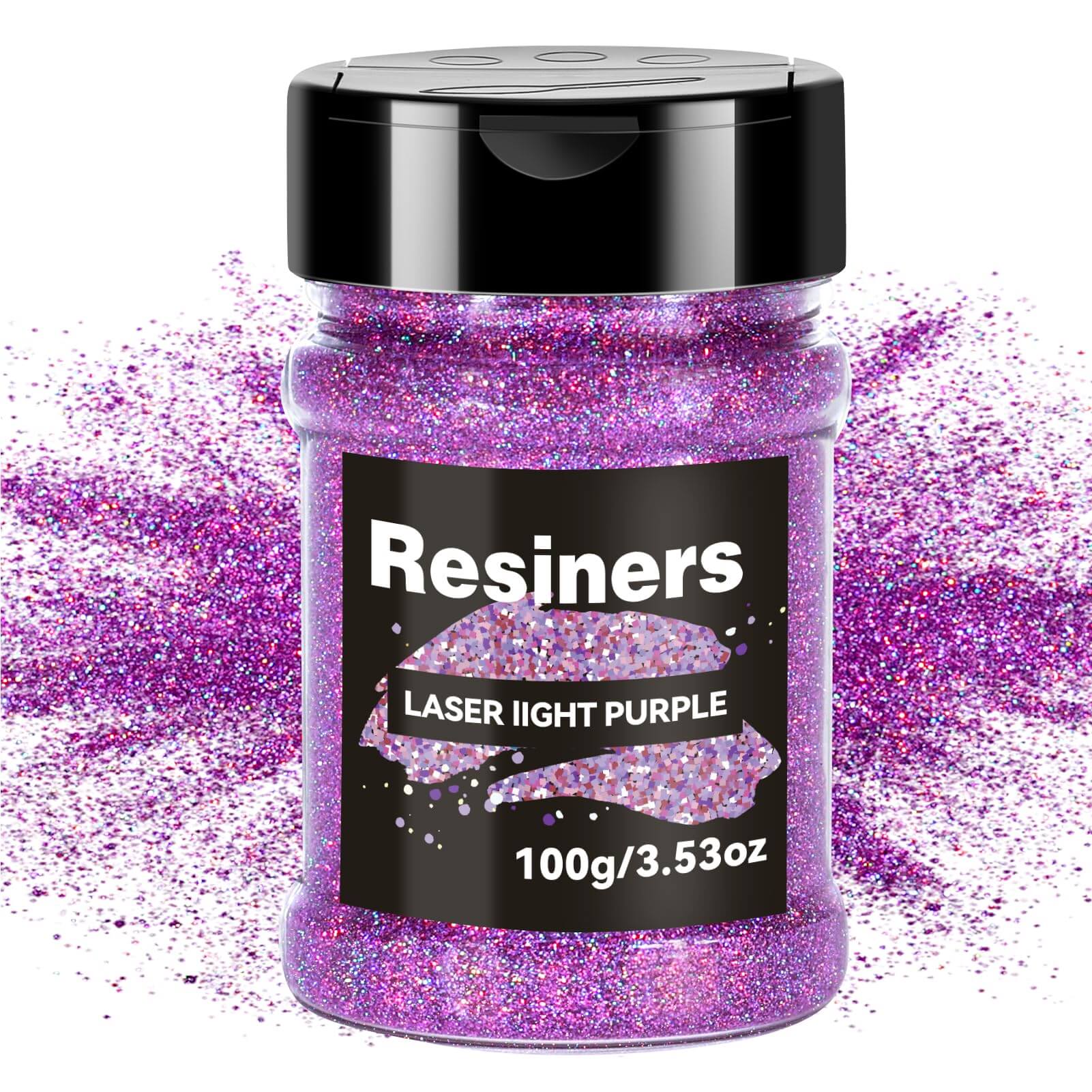
Stock up on silicone molds in different shapes and sizes. Pick up pigments, mica powder, resin dye, and alcohol ink—each one gives your pieces a different look.
Epoxy resin will be your main material. Some crafters keep UV resin on hand for small projects that cure fast under a UV lamp. Store all your resin stuff in a cool, dark spot away from sunlight.
Organizing Your Workspace for Efficiency
Set up separate zones for each task. Use one area for mixing resin, another for pouring into molds, and a third for curing your pieces.
Shelves help you keep molds, pigments, and tools visible and tidy. Clear bins are great for organizing little things like stir sticks and cups. Label everything so you’re not hunting for supplies mid-project.
Make a curing station away from dust and pets—maybe a plastic rack or cabinet where pieces can sit undisturbed for a day or two. Keep this spot at a steady temperature.
Keep your PPE near the door so you remember to put it on first. Hang a trash bag on your table for used gloves and cups. Stash paper towels and rubbing alcohol nearby for those inevitable sticky spills.
Increase your production capacity with our UV curing lights for faster turnaround times.
Creating and Pricing Your Resin Products

To succeed, you need to make products people actually want and price them so you cover costs and make money. You’ll need to figure out your target buyers, know your expenses, and develop pieces that stand out.
Finding Your Niche and Target Market
Don’t try to make everything—pick a specific niche in the resin world. Focus on one or two categories, like resin jewelry or coasters, instead of spreading yourself thin.
Research what people are buying in your area or online. Check out bestsellers on Etsy, Instagram, and other craft sites to spot market gaps. Your target customers might be homeowners wanting unique decor, gift shoppers looking for something personal, or folks into eco-friendly handmade goods.
Factor in your own interests and skills. If you’re good with details, jewelry might be your thing. Prefer bigger projects? Try resin furniture or wall art.
Watch for seasonal trends—wedding season means more custom orders, and holidays always boost demand for gifts like coasters and trinkets.
Calculating Material Costs and Profit Margins
Track every expense for your resin products. Materials include resin, hardener, colorants, molds, gloves, mixing cups—plus finishing stuff.
Figure out the cost per piece by dividing supply expenses by the number of items you make. Add your labor—how long does each piece take, and what’s your hourly rate? Don’t forget overhead: electricity, workspace, packaging, shipping supplies, all that jazz.
Here’s a basic formula: Material Cost + Labor Cost + Overhead = Base Cost. For wholesale, mark up 2–3x your base cost; for retail, 4–6x is typical.
|
Cost Component |
Example Amount |
|
Materials per coaster set |
$3.50 |
|
Labor (1 hour at $15/hr) |
$15.00 |
|
Overhead per item |
$1.50 |
|
Total Base Cost |
$20.00 |
|
Retail price (5x markup) |
$100.00 |
Make sure your prices cover everything and still compete with other resin artists. Check what others charge for similar work so you’re not way off base.
Developing a Signature Product Line
Come up with 3–5 core products that show off your best techniques and style. Your signature line should have consistent quality and recognizable design—something that makes your work pop.
Start with simpler crafts to nail the basics before you try complicated stuff. Play with color combos, embedding materials, and different finishes until you find your look. Jot down your best recipes and methods so you can repeat them.
Build your line around items that go together. If you love ocean themes, maybe coasters, jewelry dishes, and wall art all use similar colors and patterns. That kind of cohesion helps your brand and gets people buying more than one item.
Keep introducing new designs, but don’t ditch your bestsellers. When you’re starting out, limit custom orders so you can focus on refining your main products and getting your workflow down.
Marketing and Selling Your Resin Creations

To get your resin pieces in front of buyers, you need a strong online presence and smart promotion. You’ll want a place to sell, a way to show off your work, and a system for building trust with customers.
Setting Up an Online Store or Etsy Shop
Etsy’s a top spot for handmade resin goods—millions of people already shop there for unique stuff. You can open a shop pretty quickly: just make an account, add photos, write descriptions, and set prices. Etsy charges $0.20 per listing and takes a 6.5% cut when you sell.
If you want more control, try building your own online store with Shopify or WooCommerce. You’ll keep more profit, but you’ll also need to bring in your own traffic.
Amazon Handmade is another route. You need to apply and get approved, but there’s no listing fee. Amazon takes a 15% referral fee per sale.
Take clear, well-lit photos from different angles. Write honest, detailed descriptions—include size, materials, care instructions. Price your items to cover materials, labor, and platform fees without scaring off buyers.
Using Social Media to Showcase Your Work
Instagram and Pinterest are your best bets for promoting resin art. Post photos and videos of finished pieces, your process, and behind-the-scenes stuff a few times a week.
On Instagram, use hashtags like #resinart, #epoxyresin, and #handmadejewelry so new folks can find you. Stories and Reels get more eyeballs than regular posts, so try short videos showing your pouring process or finished work. Don’t forget to put your shop link in your bio.
Pinterest works a bit differently—people go there to search for ideas and products. Make pins for each product with clear titles and keywords people might use. Pin regularly and organize boards by product type or popular trends, like ocean coasters or geode designs.
Post when your audience is most active (usually evenings and weekends). Reply to comments and messages quickly to keep people interested.
Building Customer Relationships and Getting Reviews
Reviews matter—a lot. After a sale, send a thank you message and ask for a review if they’re happy. On Etsy, good reviews help your products show up higher in searches.
Package your items with a little flair—maybe branded stickers or a handwritten thank you card. These touches make unboxing special and encourage customers to share photos online.
Start an email list for past buyers. Send occasional updates about new products, trends, or special deals for repeat customers. Keep it short and don’t send too often—once or twice a month is plenty.
If something goes wrong, fix it fast. Offer a refund or replacement before a customer leaves a bad review. Most people just want to be treated well and will give you another shot if you handle issues professionally.
Expand your product line with our unique silicone molds collection.
Conclusion: How to Start a Resin Business
Starting a resin business from home is an achievable goal that can grow into a profitable venture with the right approach. By setting up a proper workspace, choosing your niche, and pricing your products strategically, you can turn your passion for resin crafting into steady income.
Success comes from consistently creating quality products, building your online presence, and connecting with customers who value handmade items. Start small, reinvest your profits, and scale at your own pace as you learn what works best for your business.
Ready to dive deeper into resin crafting techniques? Check out our guide on resin vs acrylic to help you choose the best materials for your product line!
Frequently Asked Questions: How to Start a Resin Business
Starting a resin business comes with plenty of questions—about money, profits, and what you’ll need to get going. Here are some quick answers to help you know what to expect.
How profitable is the resin business?
Resin businesses can earn $1,000 to $10,000+ monthly depending on your products, pricing, and sales volume. The epoxy resin market is growing and projected to reach $10.3 billion by 2027. Most successful resin artists mark up products two to three times over material and labor costs.
How do I start my own resin business?
Decide what resin products you want to make, like jewelry, décor, or art pieces. Set up a ventilated workspace with safety gear, epoxy resin, molds, and mixing tools. Register your business name, get the necessary licenses, and open a business bank account to keep finances separate.
How much does it cost to start a resin business?
Expect to spend $500–$1,500 initially for resin, molds, colorants, safety gear, and tools. Ongoing costs include materials, packaging, and marketing ($100–$500 monthly for ads). Business licenses run $50–$400, and forming an LLC costs $50–$500 depending on your state.
How do I price my resin art?
Calculate all material costs including resin, colorants, molds, and packaging. Add your labor by multiplying hours spent by your desired hourly rate. Multiply your total by two or three to cover overhead and profit while staying competitive with similar artists.






Laisser un commentaire
Ce site est protégé par hCaptcha, et la Politique de confidentialité et les Conditions de service de hCaptcha s’appliquent.