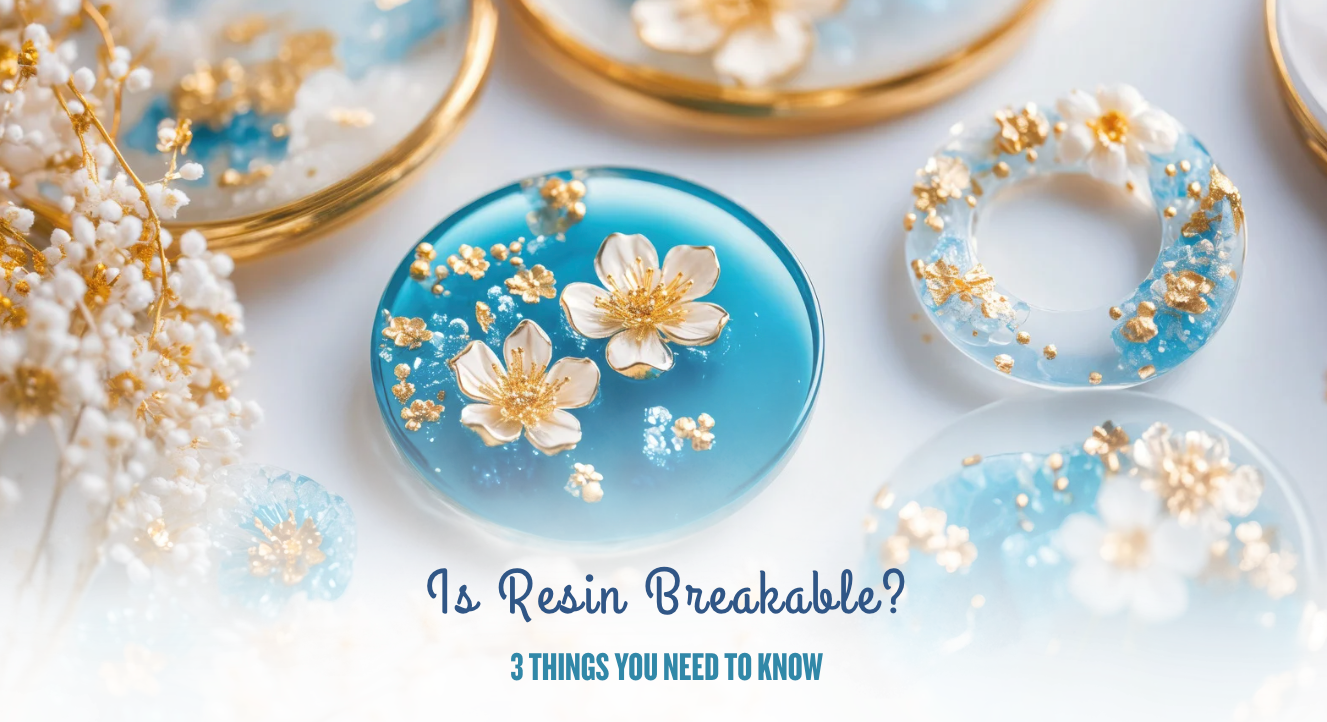
Is resin breakable? This is one of the first questions new resin artists ask, especially when making jewelry, coasters, trays, or home decor.
Resin feels hard and glossy, but like any material, it has limits. It can crack, chip, or snap if it is too thin, mixed incorrectly, or exposed to force or sudden temperature changes.
Understanding how and why resin breaks helps you make pieces that stay strong for years.
In this guide, you will learn the three most important things that affect resin strength and how to protect your work from cracks.
Quick Takeaways:
Resin is strong, but yes, it can break under pressure, impact, or stress.
The strength depends on thickness, resin type, mixing accuracy, and curing conditions.
Thin or improperly mixed resin becomes brittle and cracks easily.
Heat, sudden temperature changes, or dropping resin can cause breaks.
High quality epoxy and UV resin help increase durability and long-term strength.
Does Resin Break Easily? The Truth About Resin Strength
Resin is a strong material, but it is not unbreakable. When fully cured, resin behaves similarly to hard plastic. It can handle daily use, pressure, and bending to a point. But if the force is too strong or the resin is not cured properly, it can crack.
Epoxy resin is usually stronger than UV resin. Epoxy cures into a thicker and more flexible structure, which helps it resist breakage better.
UV resin cures fast and becomes very hard, but it can be brittle on larger pieces. Resin strength also depends on thickness. A thin resin charm will break faster than a half-inch-thick coaster.
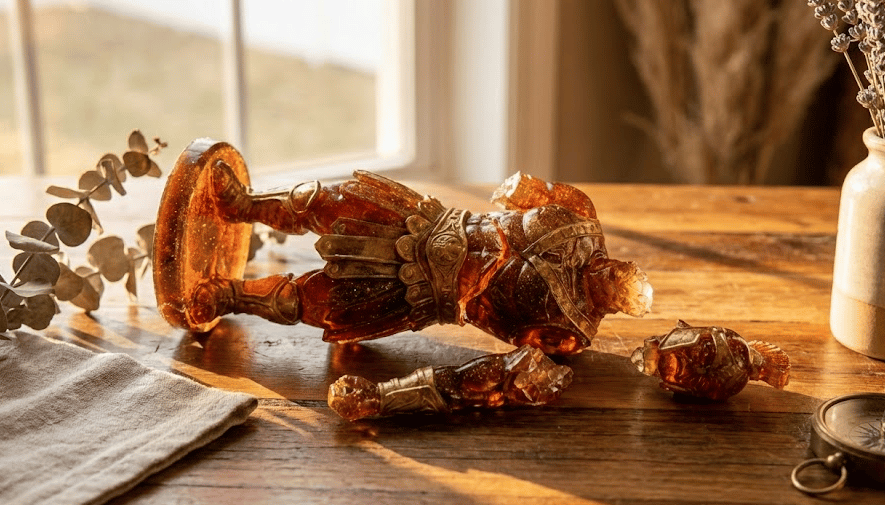
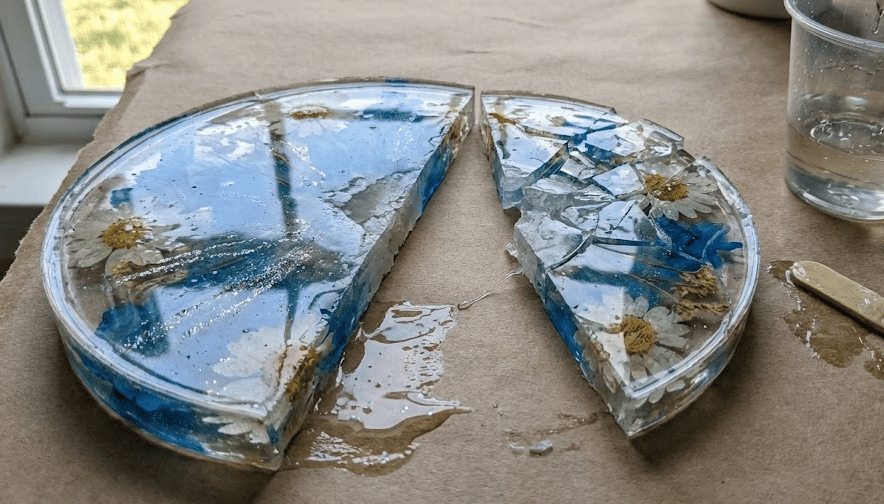
When resin breaks, it usually snaps with a clean edge. This is because resin has high hardness but low flexibility. That balance of hardness and brittleness is what determines how easily it will break.
Resin may look tough, but like glass or plastic, it can break if it is dropped, hit, bent, or exposed to force. The harder your resin is, the more impact it can handle. But even strong resin has a breaking point.
Why Resin Cracks When Dropped
When you drop a resin piece, the energy from the impact travels through the material. If the force is too strong or the piece is thin, it can crack. Hard cured resin has low elasticity, meaning it cannot absorb shock by bending. Instead, it splits.
This is why resin keychains, charms, and thin jewelry pieces sometimes crack after hitting the floor.
How Thickness Affects Breakability
Thicker resin pieces are much harder to break. A thick coaster may survive a fall, while a thin pendant might not.
Here is how thickness changes strength:
Thin layers break easily
Medium thickness has moderate strength
Thick pours become very durable
If you are making trays, coasters, tabletops, or solid decorative pieces, increasing thickness greatly reduces the risk of breakage.
Can Resin Bend Without Breaking
Some epoxy resins cure with a slight flexibility. This helps them bend slightly without cracking. But this bend is limited. UV resin hardly bends at all. If you bend resin beyond its limit, it will snap.
If you need flexible resin, choose epoxy formulated for durability instead of UV resin.
2. Resin Breaks When It Is Not Mixed or Cured Properly
One of the most common reasons resin breaks is because it was mixed or cured incorrectly. Resin relies on a perfect reaction between resin and hardener. If the ratio or conditions are not right, the structure becomes weak.
Incorrect Ratios Make Resin Brittle
Resin must be mixed with the exact ratio recommended by the brand. Too much hardener makes the finished piece brittle and prone to cracks. Too little hardener leads to soft or bendy resin, which can crack if forced or pressed.
Common results of wrong ratios:
Brittle surface
Hairline cracks
Soft or rubbery finish
Weak center
Incomplete Cure Weakens the Structure
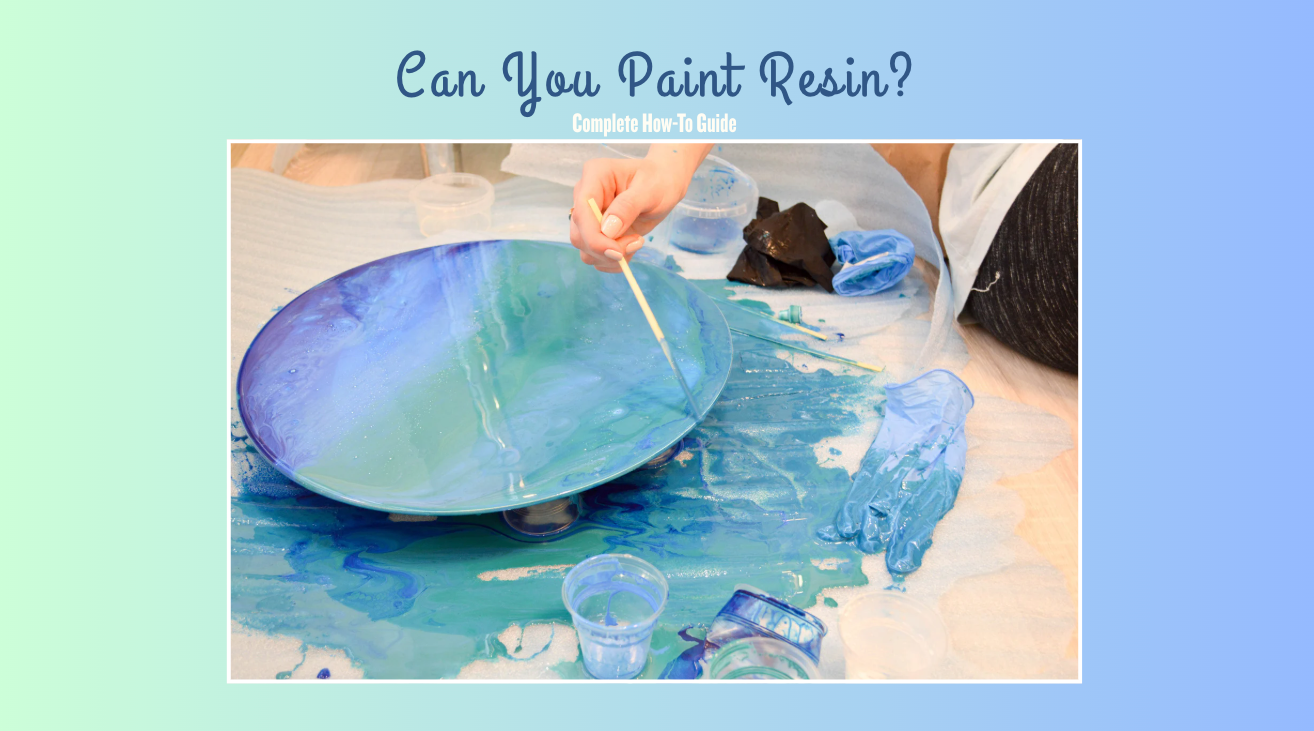
If you paint, drill, or bend resin before it is fully cured, it can crack or dent. Even if the surface feels dry, the inner layer may still be soft.
Epoxy resin usually takes:
24 hours to cure enough to touch
48 to 72 hours to fully harden
UV resin hardens quickly but can cure unevenly if the UV light does not reach every layer.
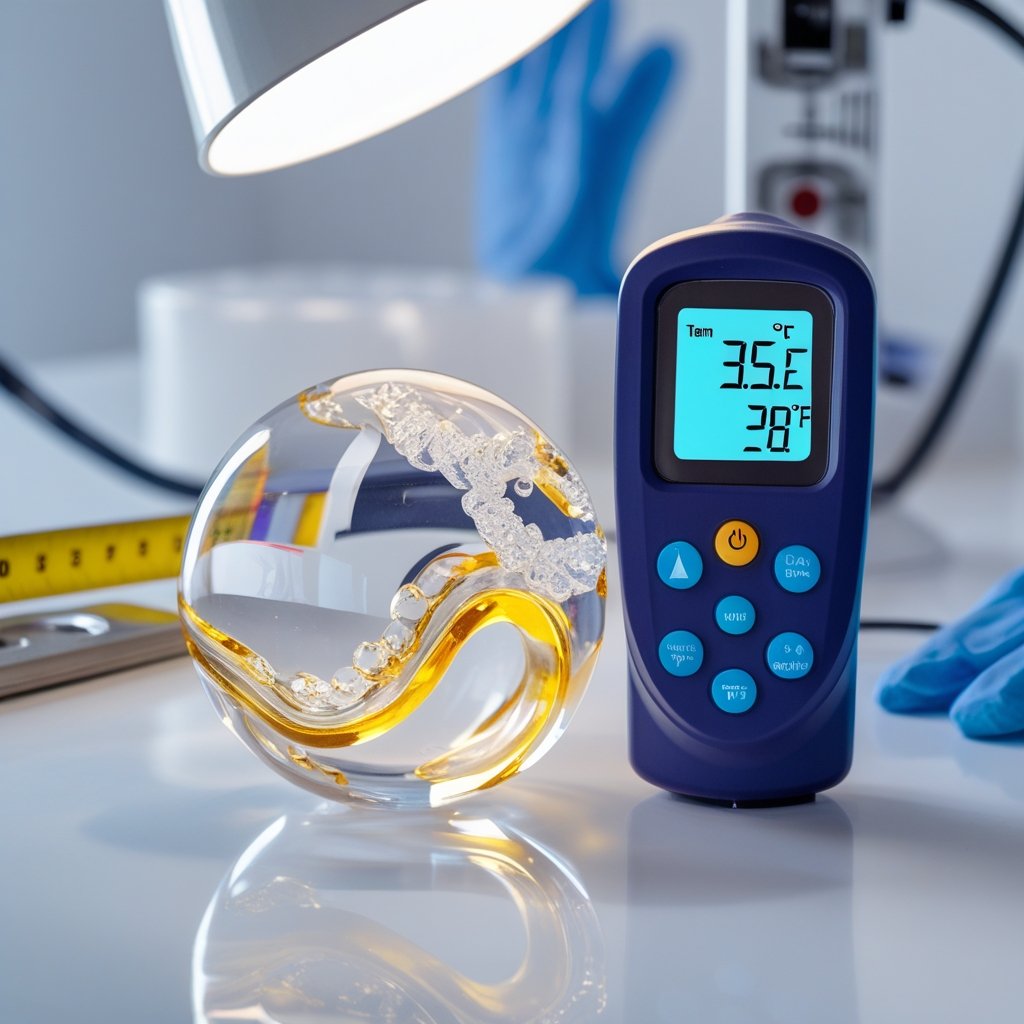
Temperature Shock and Heat Damage
Sudden temperature shifts are one of the biggest causes of resin cracking.
Examples include:
Pouring hot drinks on unsealed resin coasters
Leaving resin in direct sunlight
Moving resin from a hot room to a cold area
Exposing UV resin jewelry to high heat
Resin expands in heat and contracts in cold. Too much movement causes cracks on the surface or inside the piece.
Different resins cure with different levels of hardness and flexibility. Your choice of resin has a big impact on breakability.
Epoxy Resin Strength
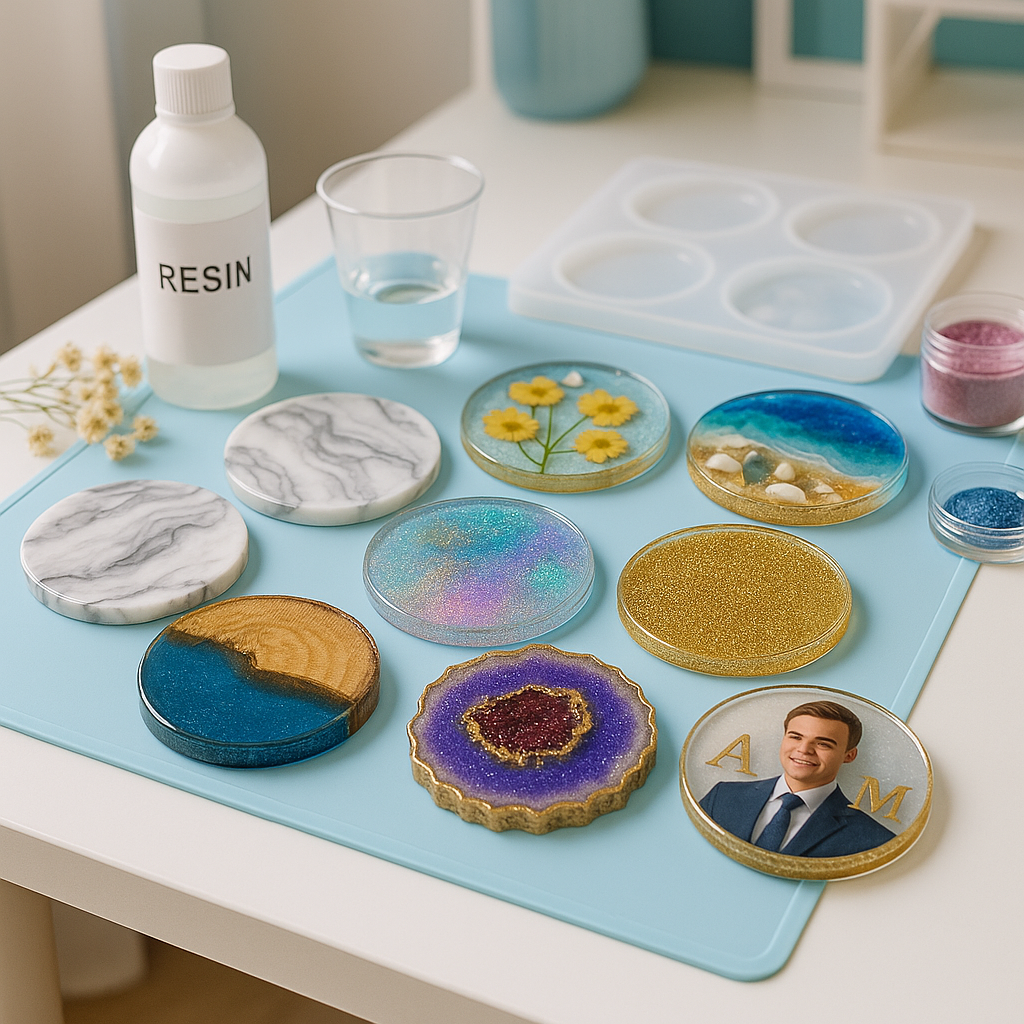
Epoxy resin is the strongest option for crafts. It cures thick, slightly flexible, and durable. This makes it ideal for:
Coasters
Trays
Tabletops
Art pieces
Functional decor
Epoxy resin is less likely to break because it absorbs stress better.
UV Resin Strength
UV resin cures fast and very hard. This makes it more brittle and prone to cracks when dropped. It works best for:
Small charms
Earrings
Jewelry details
Quick repairs
Avoid using UV resin for large pours or thick pieces because the hardness makes it fragile under impact.
Polyester and Polyurethane Resin
These resins are cheaper but more brittle. Polyester resin often cracks easily and has strong fumes. Polyurethane resin can be flexible or rigid depending on the formula. Many artists prefer epoxy or UV resin for better durability and safety.
What Makes Resin Stronger? Tips to Reduce Breakage
There are simple steps you can follow to make your resin pieces last longer and avoid cracks.
Proper Mixing and Measuring
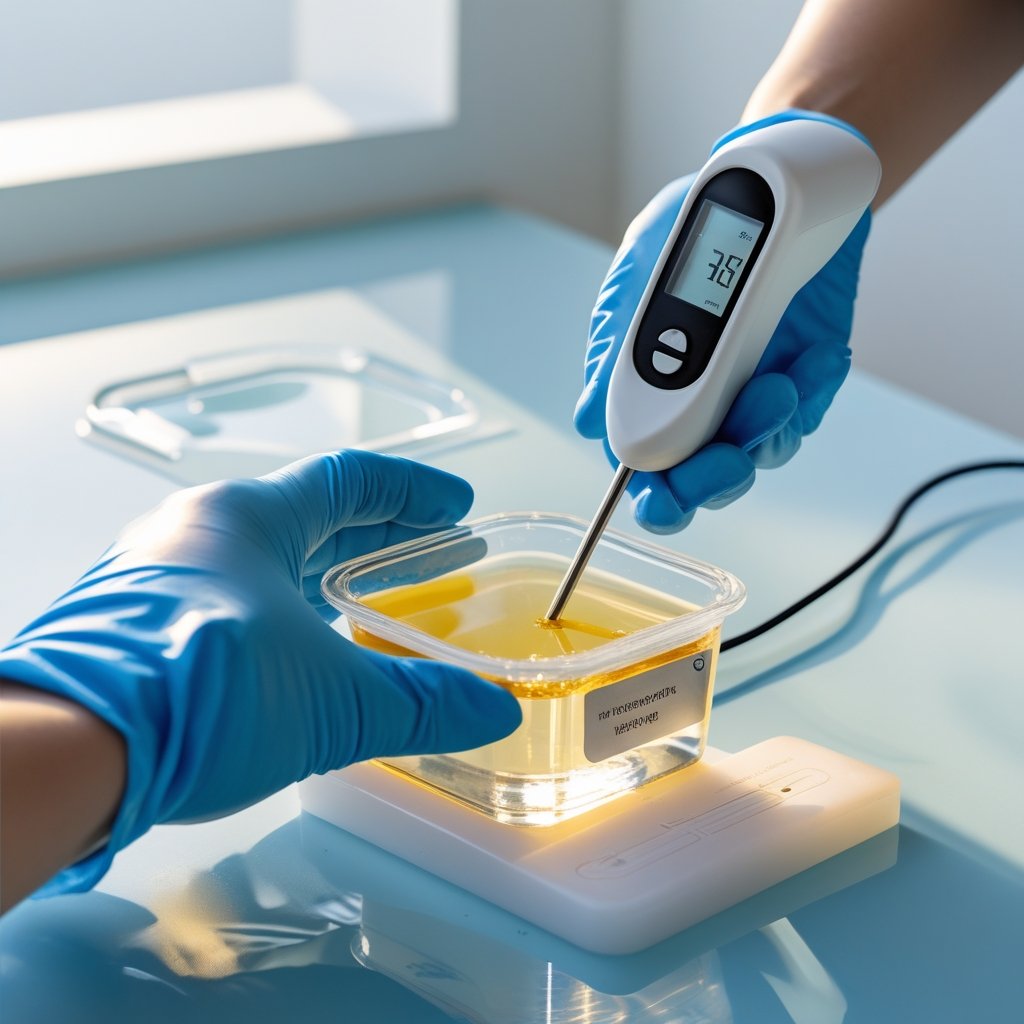
Use a digital scale or measuring cups to get the correct ratio. Mix slowly to reduce air bubbles, scrape the sides and bottom, and blend thoroughly for a consistent cure.
Ideal Curing Conditions
Keep your resin in a stable environment:
No humidity
No sudden temperature changes
Clean and dust free workspace
Room temperature around 22 to 25 degrees Celsius
These conditions help you avoid cracks or cloudy surfaces.
Heat-Resistant and Scratch-Resistant Topcoats
A clear epoxy top layer protects your work. It adds strength, shine, and durability. For jewelry or figurines, a clear spray sealer protects your paint and adds a hard shell.
Choosing the Right Resin for Your Project
Choose epoxy for thick, functional pieces and UV resin for quick jewelry items. Matching the resin to the project gives you the best long-term durability.
So, you dropped it, and it broke. Is it destined for the trash? No! One of the best things about resin is that it is its own glue. Because it is a polymer, it bonds to itself incredibly well.
Here is how to save a broken piece:
Clean the Break: Ensure there is no dust or oil on the broken edges.
The Glue Up: You can use a tiny amount of liquid resin as glue, but it takes 24 hours to cure. For a faster fix, use a thick Cyanoacrylate glue (Super Glue) or clear 5-minute epoxy.
Sand the Seam: Once the glue is dry, you will likely see a line where it broke. Sand this line down gently with fine-grit sandpaper.
The Flood Coat: This is the magic step. Pour a fresh, thin layer of clear resin over the entire surface. The fresh resin will fill in the sanding scratches and the crack line.
The Result: In many cases, the fresh coat makes the crack disappear almost entirely, leaving you with a piece that looks brand new.
Conclusion
So, is resin breakable?
Technically, yes. If you use enough force, bend it too far, or compromise the chemical mix, it will break. But when compared to traditional art materials like ceramic, porcelain, or glass, resin is a powerhouse of durability.
It is shatter-resistant, tough, and capable of surviving the clumsy accidents of everyday life.
The key to durability lies in your hands. Ensure you are using the right resin for the job (Epoxy for strength, UV for small details), measure your mix with precision, and respect the curing process. Do these things, and your resin art will likely last a lifetime.
Ready to create durable, high-quality projects? You cannot create a strong product without strong tools. Make sure your workshop is stocked with the best:
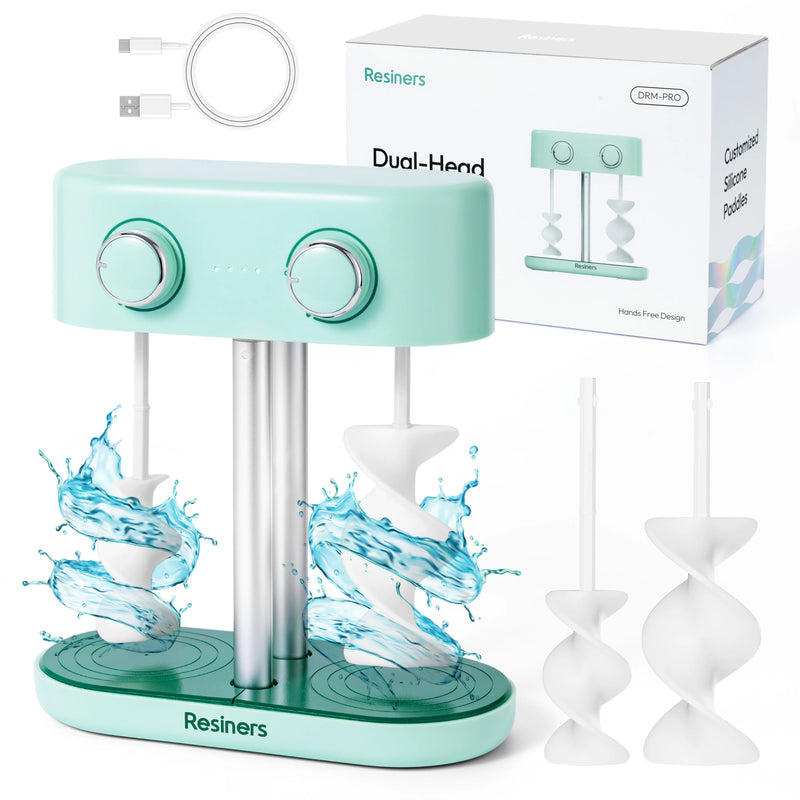
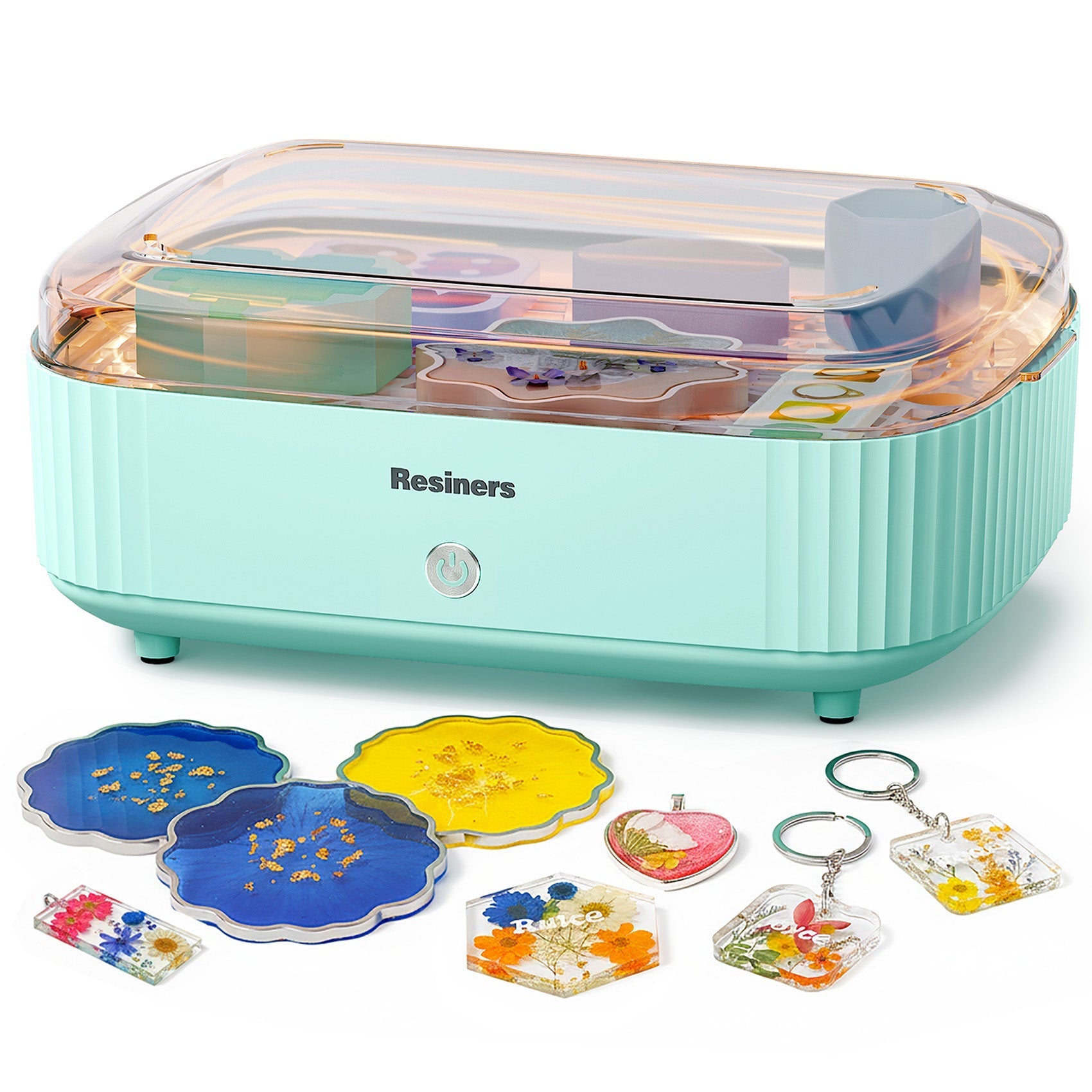
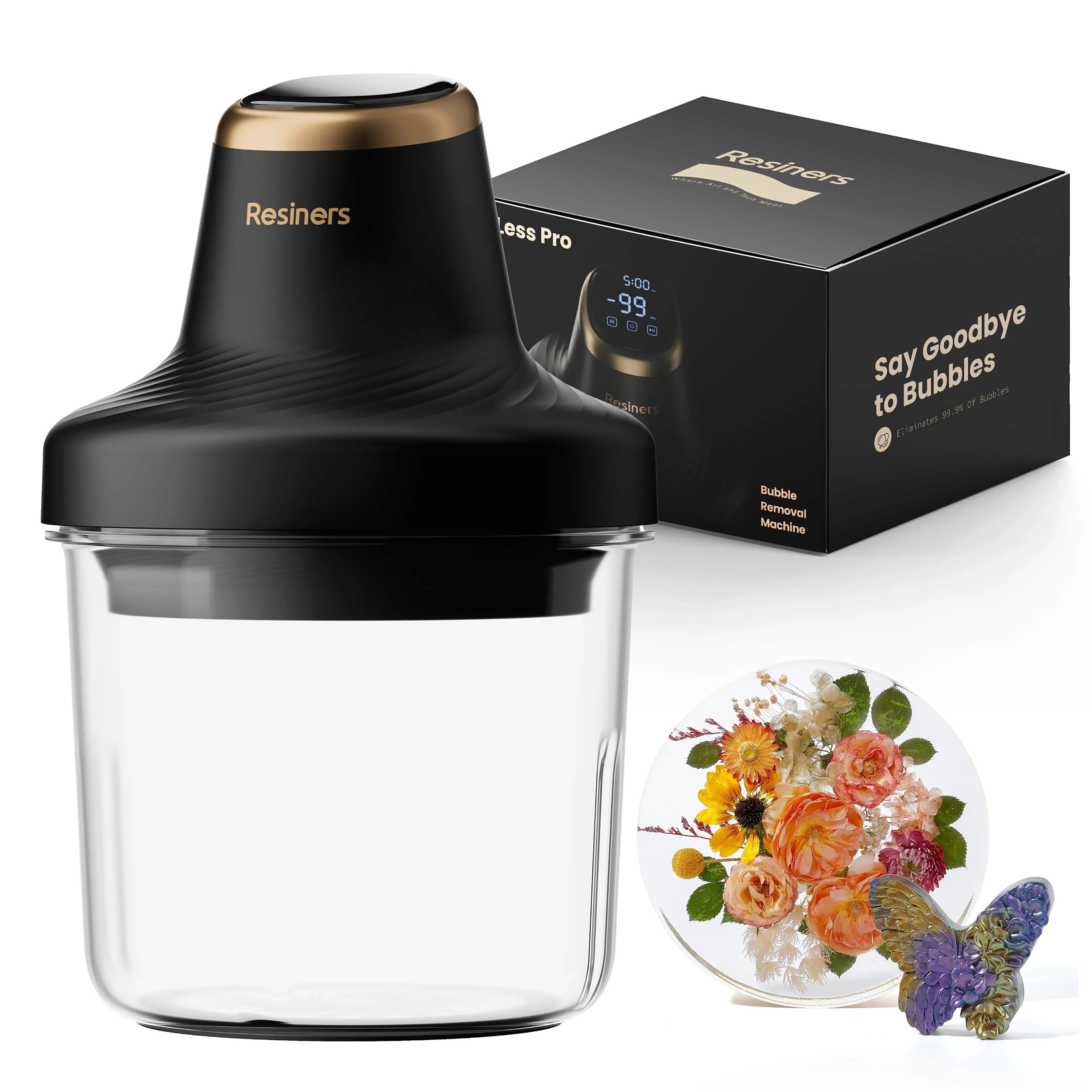
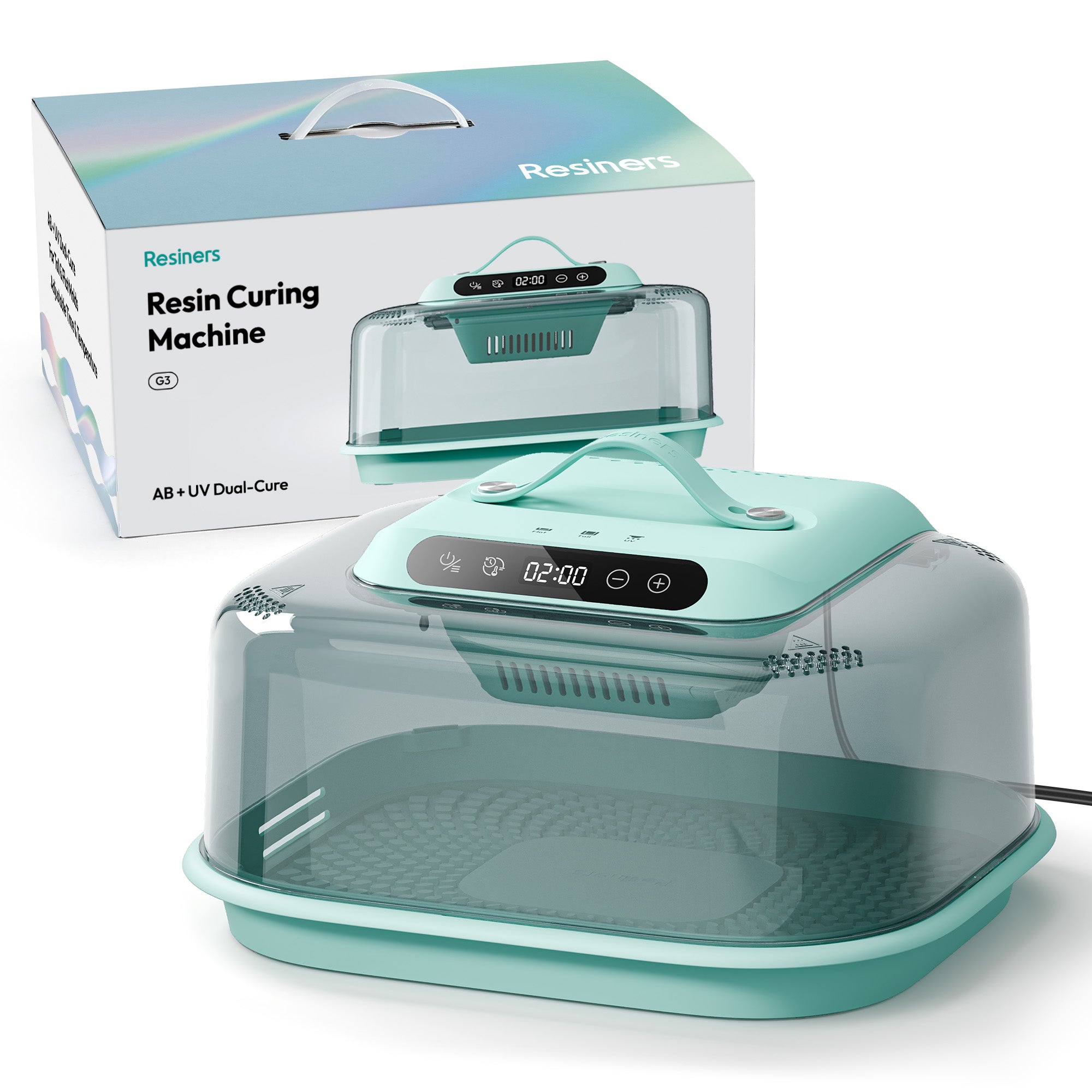
Get the perfect mix every time: Stop guessing and start measuring precisely with theResiners Machine Collections.
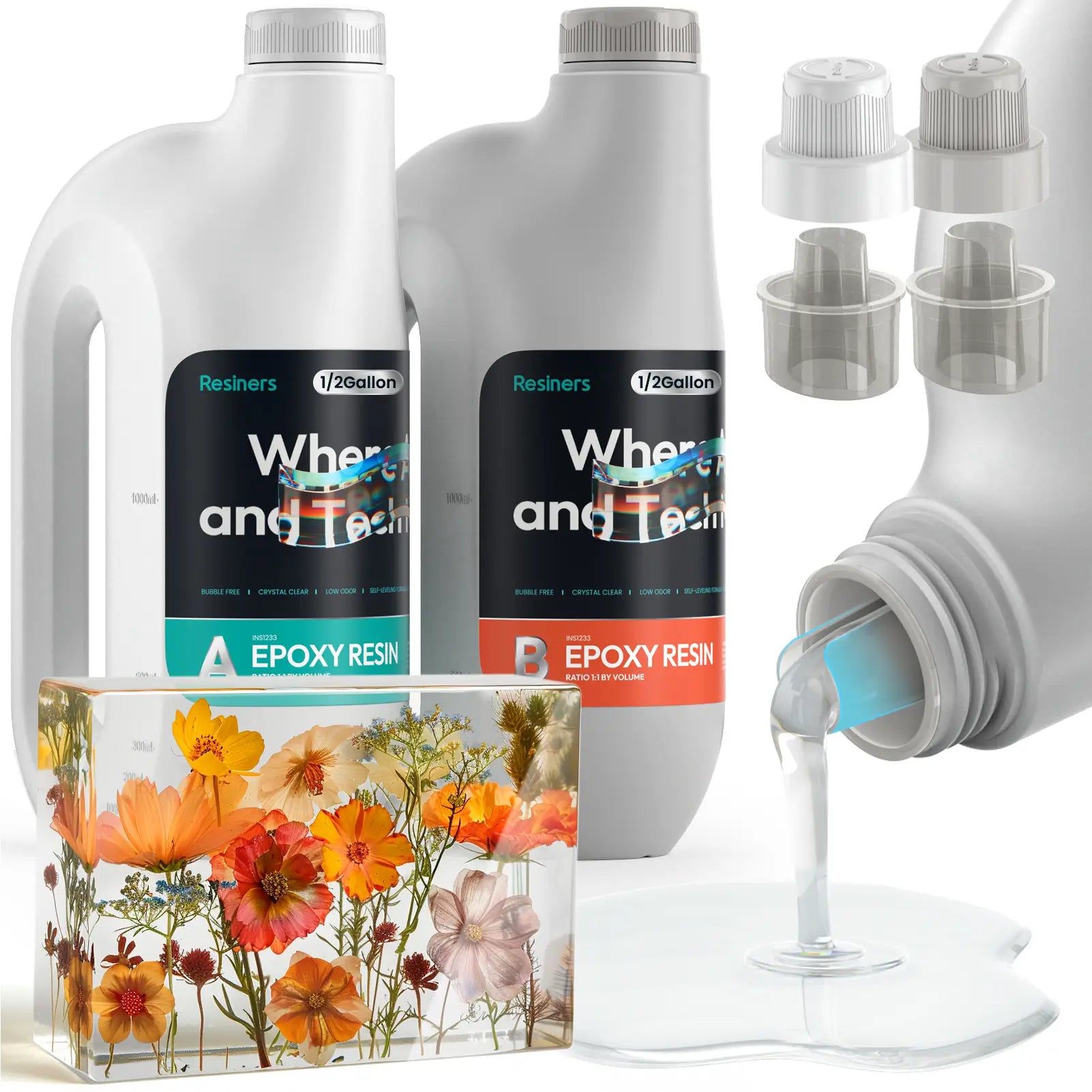
Shop durable, high-strength resin: Ensure your art survives the drop test with our premiumEpoxy Resin Collections.
Best for quick, small repairs: Keep a bottle ofUV Resin handy for quick fixes and jewelry making.
FAQs about Is Resin Breakable
Is cured resin brittle?
It depends on the thickness and the mix. Generally, cured epoxy resin is hard but tough, meaning it is not brittle. However, if you add too much hardener during the mixing process, the chemical balance is ruined, and the resin will become extremely brittle and easy to snap.
Does resin break if dropped?
Usually, no. Resin is excellent at absorbing impact. If you drop a resin piece on a hard surface like concrete, you might see a scratch or a chipped corner, but it rarely shatters into pieces like glass would.
Is resin stronger than plastic?
Resin actually is a type of plastic. However, high-quality craft epoxy is a thermosetting polymer. This means once it cures, it is generally harder, denser, and more heat-resistant than standard cheap plastics (like water bottles). It feels more substantial, often mimicking the weight and hardness of stone or glass.
Can resin crack over time?
Yes, but this is usually due to environmental factors rather than the resin "getting old." Continuous exposure to direct sunlight (UV rays) can make resin yellow and brittle over many years. Also, placing hot items on resin that hasn't fully cured can cause stress cracks.
Is resin stronger than glass?
In terms of impact resistance, yes. Resin is much stronger than glass. Glass is rigid and brittle; it cannot absorb shock. Resin has a molecular structure that allows it to absorb shock without failing. While glass might be harder to scratch, resin is much harder to break.








Deixar comentário
Este site é protegido por hCaptcha e a Política de privacidade e os Termos de serviço do hCaptcha se aplicam.