
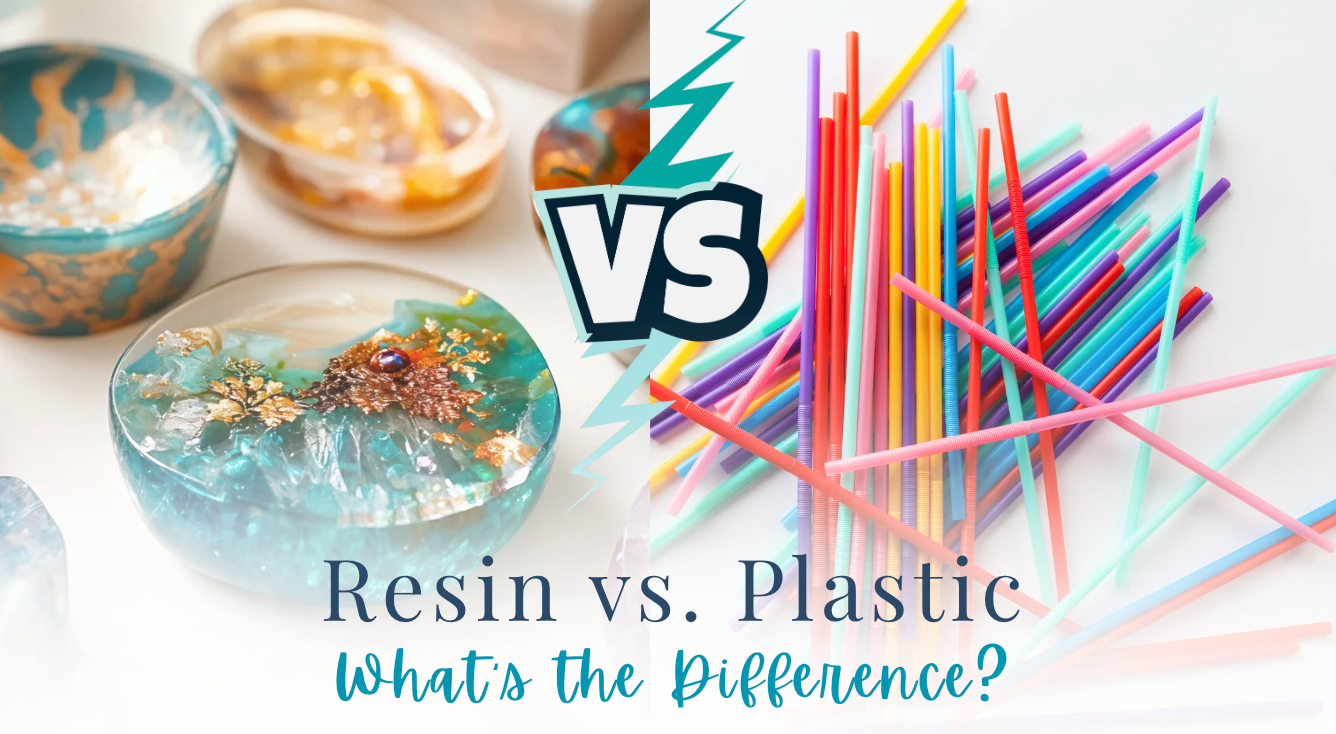
تُعد المقارنة بين الراتنج والبلاستيك شائعة للمبتدئين الذين يرغبون في صنع الحرف اليدوية، أو إصلاح العناصر، أو فهم المواد بشكل أفضل. كلاهما بوليمرات، لكنهما يُستخدمان بطرق مختلفة تمامًا.
يبدأ الراتنج كسائل ويتصلب من خلال تفاعل كيميائي، بينما يُصهر البلاستيك ويُشكّل في المصانع. معرفة الفرق يساعدك على اختيار الخيار الصحيح للمجوهرات، أو قواعد الأكواب، أو القوالب، أو ديكور المنزل، أو العناصر الوظيفية طويلة الأمد.
يقدم هذا الدليل شرحًا للراتنج والبلاستيك بعبارات بسيطة حتى تتمكن من رؤية كيفية مقارنتهما بوضوح من حيث القوة، والمظهر، والتكلفة، والاستخدام اليومي.
ملخص سريع:
- جميع أنواع الراتنج هي بلاستيك، لكن ليس كل البلاستيك هو راتنج.
- الراتنج هو بلاستيك "مقوى بالحرارة" (Thermoset). بمجرد أن يتصلب، يصبح دائمًا. لا يمكنك صهره مرة أخرى. البلاستيك العادي عادة ما يكون "لدن حراري" (Thermoplastic). يمكنك صهره وإعادة تشكيله بلا حدود.
- الراتنج ثقيل، وصلب، ويشبه الزجاج أو الحجر. البلاستيك خفيف الوزن، ومرن، وأكثر ليونة.
- يُصب الراتنج (بالقوالب) يدويًا، كيميائيًا. أما البلاستيك فعادة ما يُصهر ويُحقن في القوالب بواسطة الآلات.
- اختر الراتنج للفنون المخصصة، المجوهرات، و طاولات الريفر. اختر البلاستيك للعناصر المرنة، وخفيفة الوزن، أو المنتجة بكميات كبيرة.
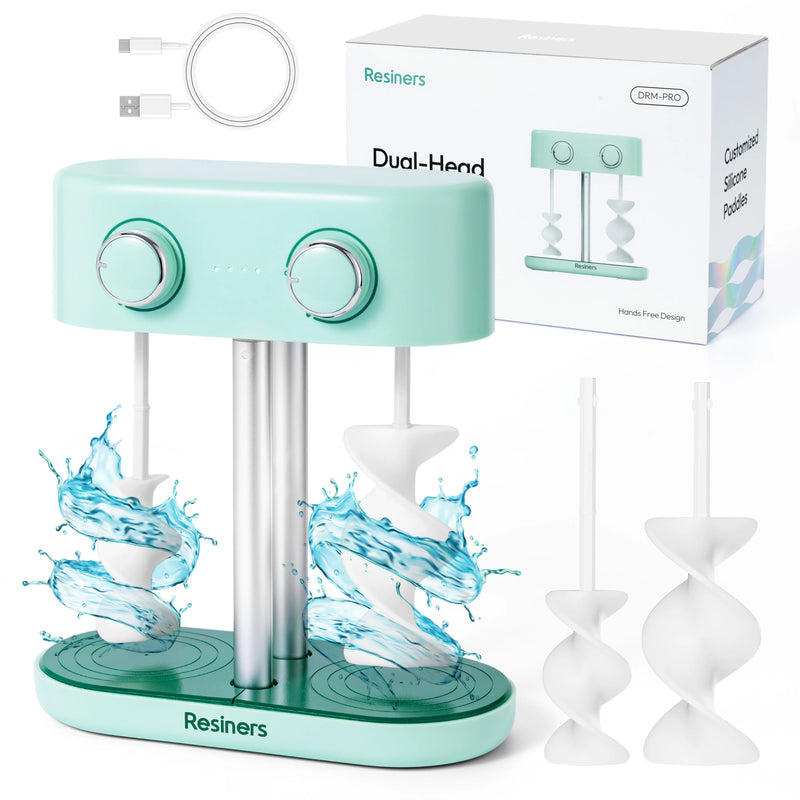
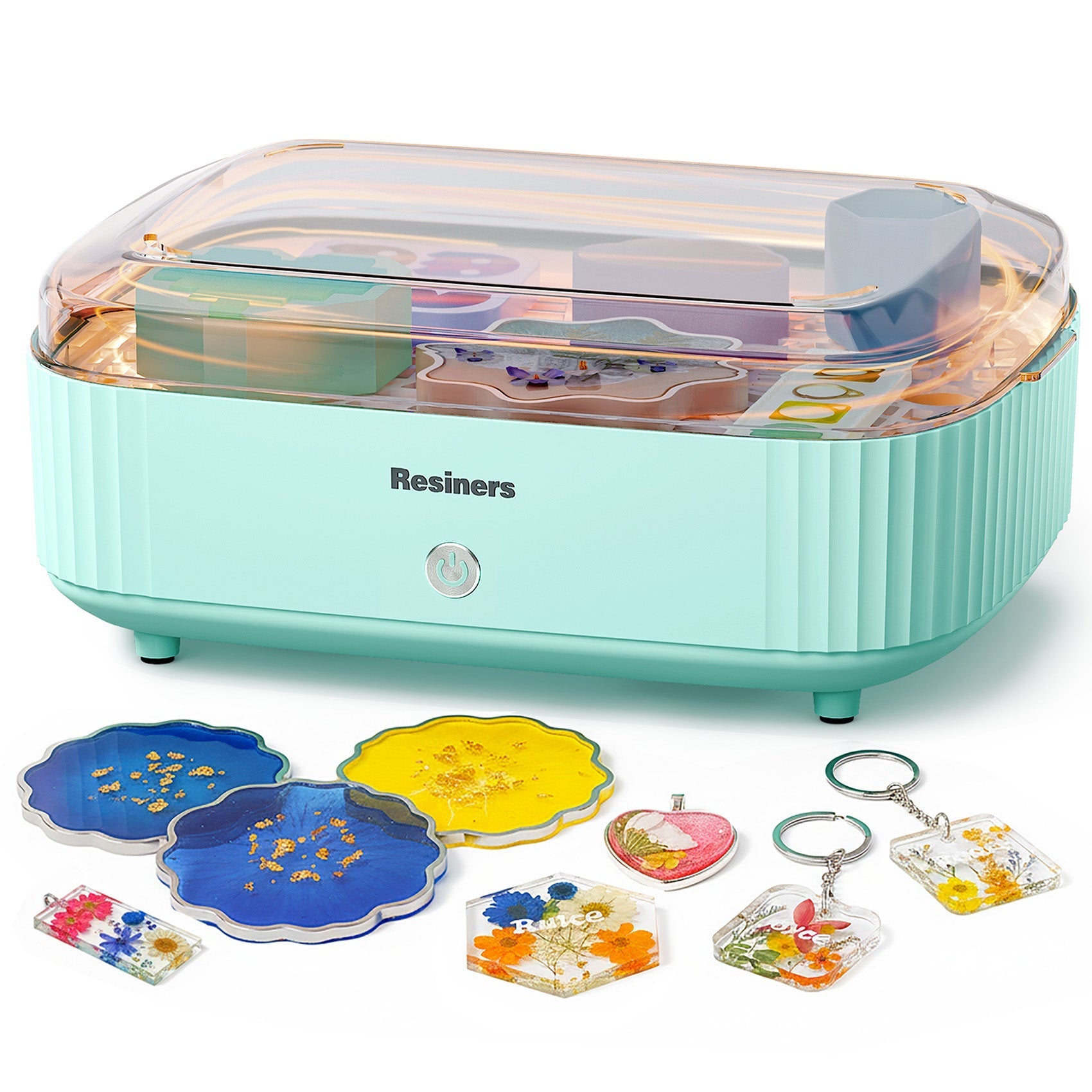
آلات Resiners قد ترغب في تسوقها
استكشف المزيد

الراتنج مقابل البلاستيك: ما الفرق؟
الراتنج والبلاستيك كلاهما من المواد المصنعة، لكن طريقة سلوكها ومظهرها وتصنيعها تختلف تمامًا.
الراتنج هو سائل يصبح صلبًا من خلال المعالجة. يشكل تشطيبًا صلبًا ولامعًا ويحظى بشعبية في الفن والحرف اليدوية لصفائه وقابليته للتخصيص.
يُنتج البلاستيك في المصانع عن طريق صهر الحبيبات وتشكيلها. إنه رخيص، خفيف الوزن، مرن، ومصمم للإنتاج بكميات كبيرة.
فيما يلي الفروق الرئيسية:
- يعالج الراتنج كيميائيًا، ويشكل البلاستيك بالحرارة.
- يبدو الراتنج أكثر وضوحًا وأكثر صقلًا.
- البلاستيك أخف وزنًا وأكثر مرونة.
- الراتنج أفضل للأشكال المخصصة؛ والبلاستيك أفضل للكميات الكبيرة.
- يكلف الراتنج أكثر لأنه لا يُصنع بكميات كبيرة.
يساعدك فهم هذه الفروق على اختيار أفضل مادة لمشروعك.
شرح الراتنج: الأنواع، الاستخدامات، والخصائص

يأتي الراتنج بعدة أنواع، لكن الأنواع التي يستخدمها معظم الحرفيين هي راتنج الإيبوكسي وراتنج الأشعة فوق البنفسجية. لكل نوع فوائد فريدة حسب مشروعك.
راتنج الإيبوكسي
راتنج الإيبوكسي هو النوع الأكثر شيوعًا للحرفيين. له وقت عمل طويل، ويتصلب بقوة، ويخلق تشطيبًا سميكًا يشبه الزجاج.
أفضل الاستخدامات:
- قواعد الأكواب
- الصواني
- طاولات الريفر
- المجوهرات
- سلاسل المفاتيح
- القطع الفنية الشفافة
راتنج الإيبوكسي أيضًا أكثر مقاومة للحرارة، مما يجعله رائعًا للعناصر الوظيفية مثل قواعد الأكواب وألواح التقديم.
راتنج الأشعة فوق البنفسجية
يعالج راتنج الأشعة فوق البنفسجية تحت مصباح الأشعة فوق البنفسجية في دقائق. إنه مثالي للمشاريع الصغيرة والتصاميم السريعة.
أفضل الاستخدامات:
- تعليقات المجوهرات
- الأقراط
- التعليقات الصغيرة
- القطع الطبقية الصغيرة
راتنج الأشعة فوق البنفسجية أكثر صلابة وهشاشة من الإيبوكسي، لكن وقت المعالجة السريع يجعله رائعًا للمبتدئين.
راتنج البوليستر والبولي يوريثين
تُستخدم هذه الأنواع بشكل أكثر شيوعًا في المشاريع الصناعية. تعالج بشكل أسرع وقد تكون أقل تكلفة، لكنها تصدر أبخرة أقوى وليست واضحة مثل الإيبوكسي.
الاستخدامات النموذجية:
- صب القوالب الكبيرة
- قطع السيارات
- صنع النماذج
بالنسبة للحرف اليدوية، يعتبر الإيبوكسي وراتنج الأشعة فوق البنفسجية الأكثر ملاءمة للمبتدئين.
✨ اقرأ أيضًا: كم يستغرق البولي يوريثين ليجف: دليل شامل
شرح البلاستيك: الأنواع، الاستخدامات، والخصائص

البلاستيك موجود في كل مكان. يأتي بأشكال عديدة، ويُستخدم كل نوع لغرض محدد.
البلاستيكات الحرارية
تلين البلاستيكات الحرارية بالحرارة ويمكن إعادة تشكيلها. تشمل الأنواع الشائعة:
- ABS
- PVC
- البولي بروبلين
- الأكريليك
تُستخدم لـ:
- حاويات الطعام
- الألعاب
- زجاجات المياه
- أدوات المنزل
البلاستيكات الحرارية مرنة، ومتينة، ومثالية للاستخدام اليومي.
البلاستيكات المقواة بالحرارة (Thermoset Plastics)
تتصلب هذه البلاستيكات بشكل دائم. بمجرد معالجتها، لا يمكن صهرها وإعادة تشكيلها.
أمثلة:
- الألياف الزجاجية
- الميلامين
- بعض المواد اللاصقة
تُستخدم لـ:
- أغطية الأجهزة الكهربائية
- أدوات المطبخ المتينة
- الأجزاء الثقيلة
البلاستيكات المصبوبة بالحقن
هذه هي الطريقة التي تصنع بها معظم المنتجات البلاستيكية المنتجة بكميات كبيرة. يُحقن البلاستيك المصهور في قالب ثم يُبرد.
تُستخدم لـ:
- حافظات الهواتف
- التعبئة والتغليف
- الأزرار
- الألعاب
البلاستيك مثالي لإنتاج آلاف العناصر المتطابقة بسرعة وبتكلفة معقولة.
قوة الراتنج مقابل البلاستيك: أيهما أقوى؟
تعتمد القوة على كيفية قياسها.
الراتنج صلب جدًا ومقاوم للخدش. لا ينثني بسهولة، مما يجعله قويًا في متانة السطح. لكن هذا يجعله أيضًا أكثر هشاشة عند الاصطدام.
البلاستيك أكثر مرونة ويمتص الصدمات بشكل أفضل. ينثني قبل أن ينكسر، مما يجعله مثاليًا للعناصر التي تتطلب المتانة.
مقارنة الاثنين:
- الراتنج قوي لكنه صلب.
- البلاستيك متين ومرن.
- قد يتشقق الراتنج إذا سقط.
- يتحمل البلاستيك الاستخدام اليومي بشكل أفضل.
إذا كان هدفك هو الجمال والوضوح، اختر الراتنج. إذا كان هدفك هو الاستخدام الطويل الأمد والخشن، فإن البلاستيك يؤدي بشكل أفضل.
متى يجب استخدام الراتنج؟
إذا كنت حرفيًا، فالراتنج على الأرجح هو صديقك المفضل. إليك متى يجب عليك اختيار الراتنج بدلًا من شراء المواد البلاستيكية القياسية.
- التخصيص: إذا كنت ترغب في وضع شيء داخل المادة - مثل الزهور المجففة، اللمعان، الصور، أو الخشب - فأنت بحاجة إلى الراتنج. يمكنك صب السائل مباشرة فوق الكائن لختمه إلى الأبد.
- تشطيب عالي الجودة: إذا كنت تصنع مجوهرات أو أعمالًا فنية وتريدها أن تبدو باهظة الثمن ولامعة، فالراتنج هو الحل.
- كميات صغيرة: إذا كنت تحتاج فقط لصنع قطعة أو قطعتين (مثل هدية شخصية)، فالراتنج ميسور التكلفة. لا تحتاج إلى شراء طلب بكميات كبيرة من مصنع.
متى يجب استخدام البلاستيك القياسي؟
في بعض الأحيان، لا يكون الراتنج الأداة المناسبة للوظيفة.
- المرونة: إذا كنت بحاجة إلى أن ينثني العنصر، أو ينغلق، أو يتحرك (مثل مفصل أو ملف)، فلا تستخدم الراتنج. سينكسر الراتنج. استخدم بلاستيكًا حراريًا مرنًا.
- الاحتياجات الخفيفة الوزن: إذا كنت تصنع درعًا لزي تنكري يجب أن ترتديه طوال اليوم، فقد يكون الراتنج الصلب ثقيلًا جدًا. الألواح الرغوية أو البلاستيكية الرقيقة أفضل.
- البيئات عالية الحرارة: يمكن أن يلين بعض الراتنجات إذا أصبحت شديدة الحرارة (كما هو الحال في غسالة الأطباق). العديد من البلاستيكات القياسية مصممة لتحمل درجات حرارة أعلى دون أن تتشوه.
هل الراتنج أفضل أم البلاستيك؟
هذا موضوع صعب. بما أن الراتنج مقابل البلاستيك هو في الحقيقة مجرد "بلاستيك مقابل بلاستيك مختلف"، فليس أي منهما صديقًا للبيئة تمامًا.
- البلاستيك: مشكلة البلاستيك هي أنه غالبًا ما يكون "للاستخدام مرة واحدة" (قش الشرب، الأغلفة) وينتهي به المطاف في المحيط. ومع ذلك، يمكن صهر العديد من البلاستيكات وإعادة تدويرها إلى أشياء جديدة.
- الراتنج: لا يمكن صهر الراتنج، لذا فهو عمومًا غير قابل لإعادة التدوير بالمعنى التقليدي. ومع ذلك، ينتج الراتنج منتجات "موروثة". طاولة الراتنج أو قطعة المجوهرات مخصصة للحفظ لسنوات، لا للتخلص منها بعد استخدام واحد. لذا، على الرغم من أن المادة ليست قابلة لإعادة التدوير، إلا أن دورة حياتها تنتج نفايات أقل من البلاستيك الذي يستخدم لمرة واحدة.
الخاتمة
إذن، في معركة الراتنج مقابل البلاستيك، من يفوز؟
يعتمد ذلك كليًا على ما تقوم ببنائه. إذا كنت بحاجة إلى عناصر مرنة وخفيفة الوزن ومنتجة بكميات كبيرة، فإن البلاستيك هو الملك.
ولكن إذا كنت ترغب في إنشاء شيء فريد ومتين وثقيل وجميل، فإن الراتنج هو الفائز الواضح. فهو يسمح لك بأن تكون المصنع، حيث تصنع عناصر احترافية تشبه الزجاج مباشرة من طاولة مطبخك.
هل أنت مستعد لبدء صب إبداعاتك المتينة من الراتنج؟ الآن بعد أن عرفت الفرق، تأكد من أن لديك المستلزمات المناسبة للحصول على هذا المظهر الاحترافي.
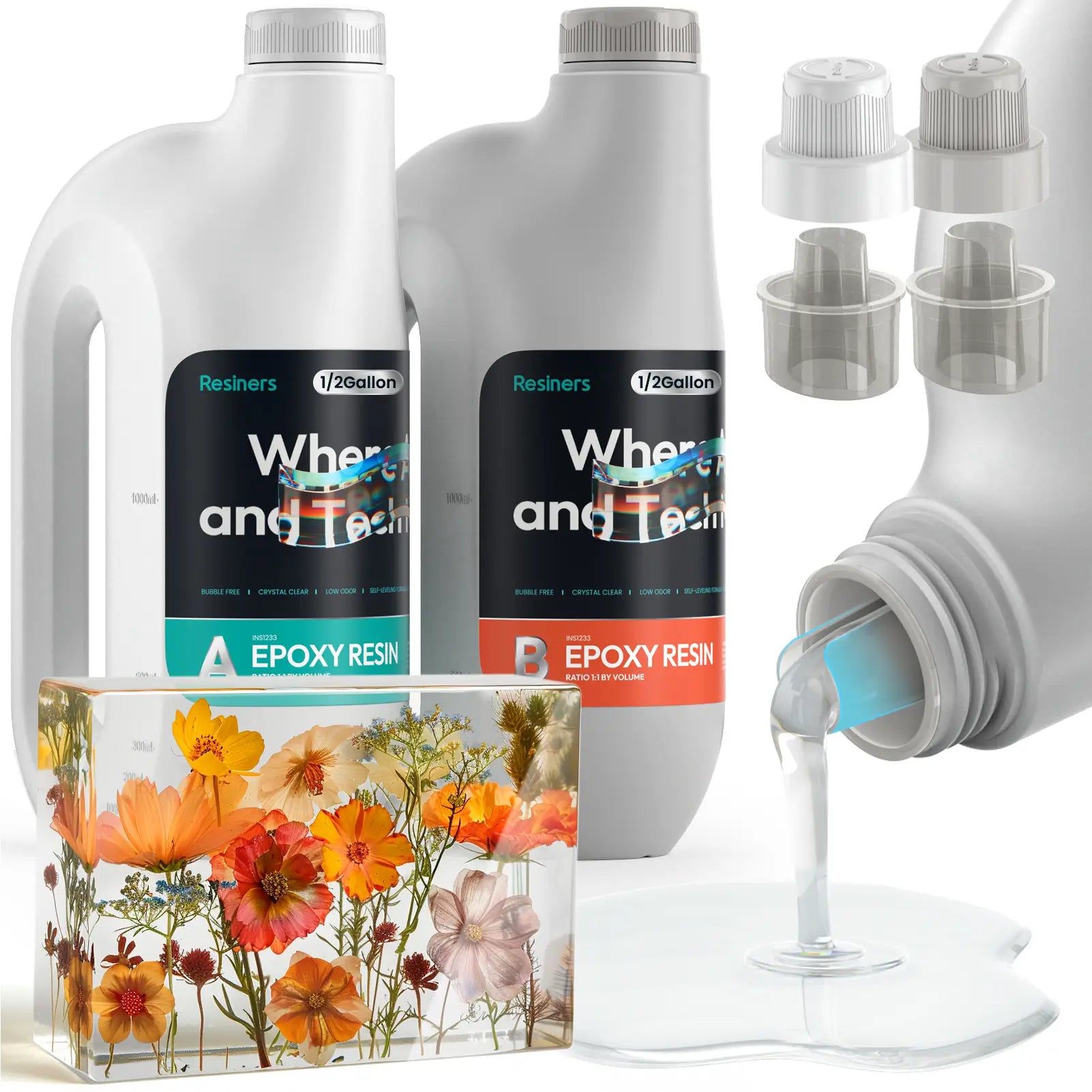
- احصل على أوضح النتائج: استخدم راتنج الإيبوكسي عالي الجودة للحصول على مظهر شبيه بالزجاج.
- اصنع حُليًا صغيرة ومتينة: جرّب مجموعة راتنج الأشعة فوق البنفسجية للمجوهرات سريعة المعالجة والصلبة.
- اعثر على الشكل المثالي: تصفح مجموعات قوالب الراتنج الخاصة بنا لبدء الصب.
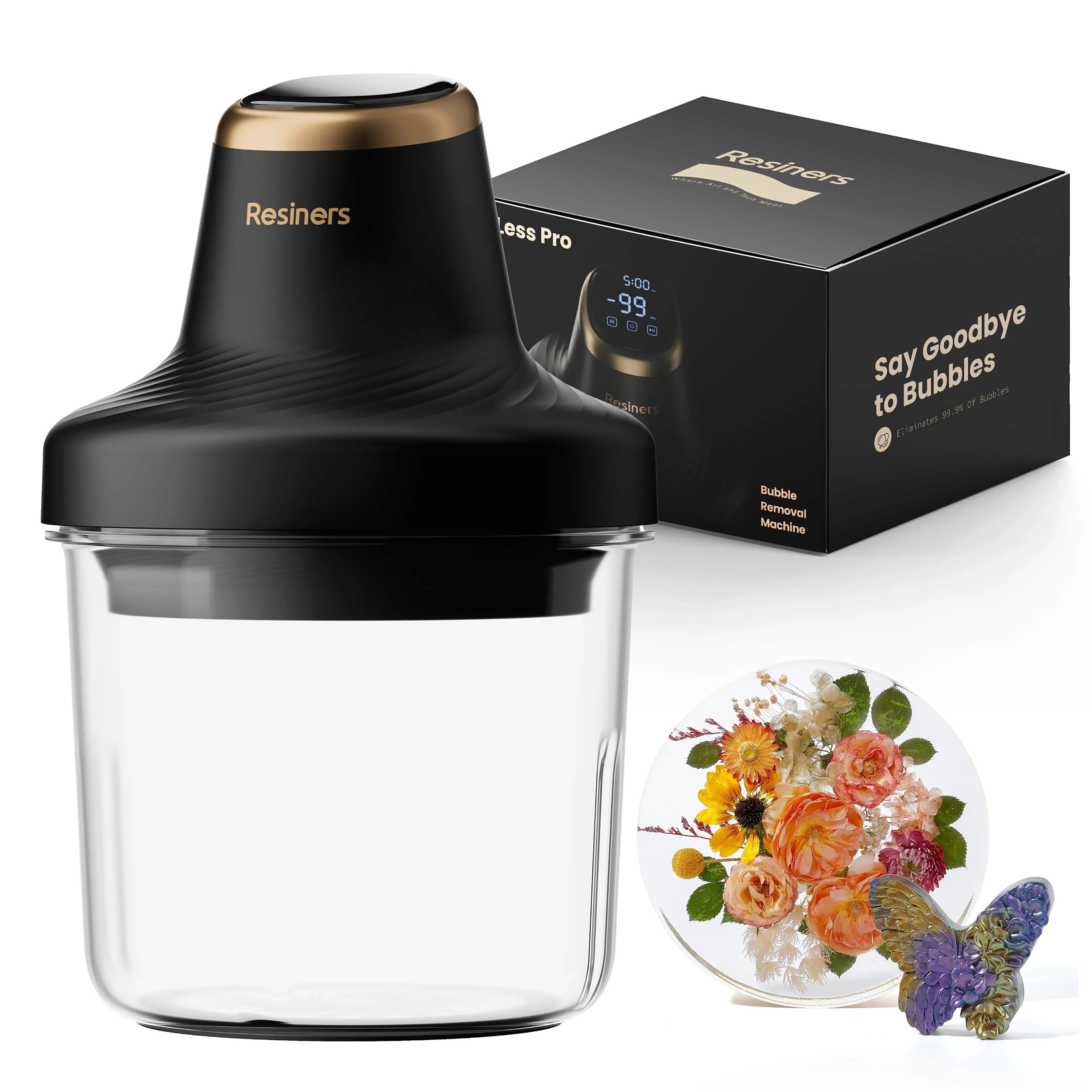
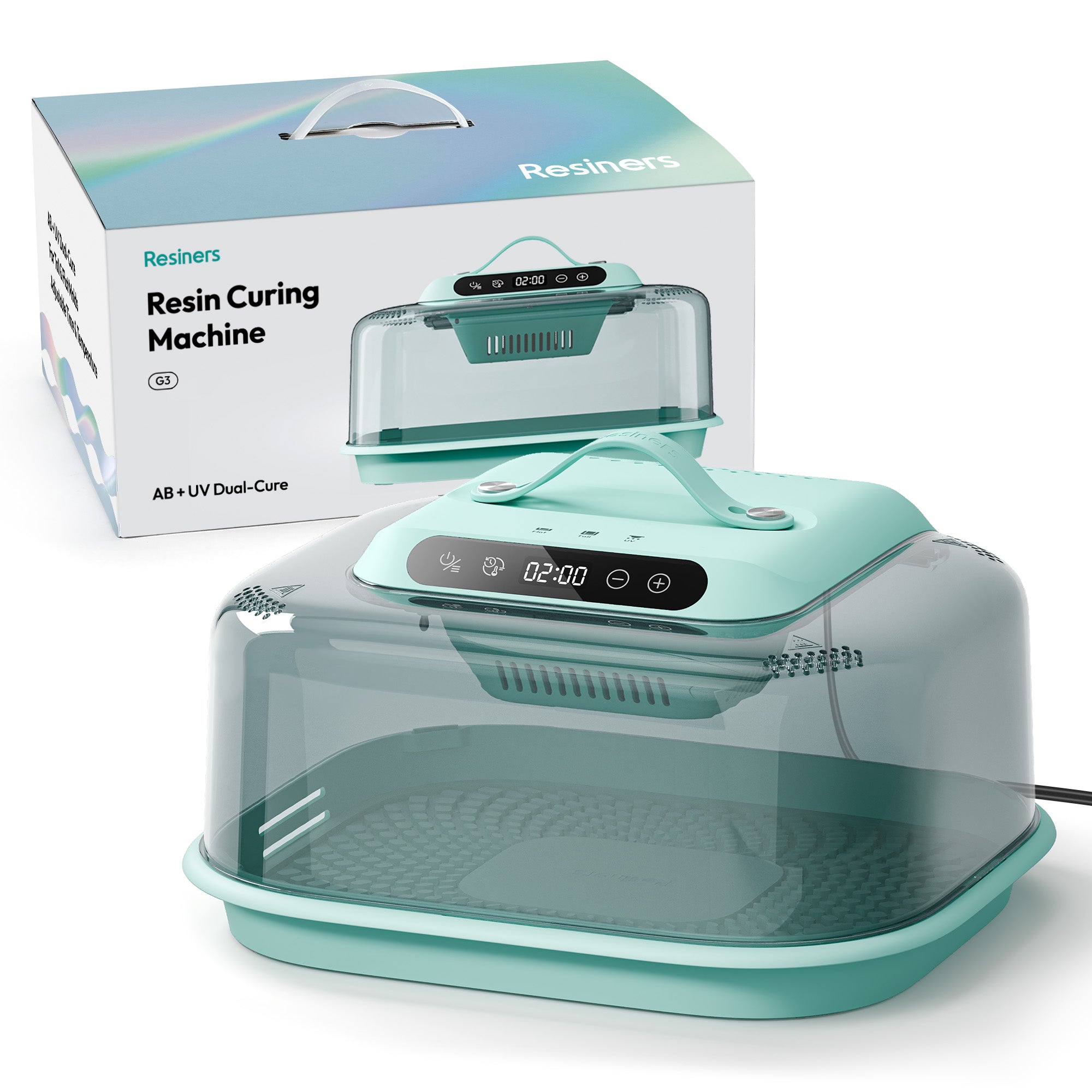
- امزج بشكل مثالي في كل مرة: تجنب الفوضى مع مجموعات آلة Resiners.
الأسئلة الشائعة حول الراتنج مقابل البلاستيك
هل الراتنج أقوى من البلاستيك؟
يعتمد ذلك على كيفية تعريفك لـ "القوة". الراتنج أكثر صلابة وجمودًا بكثير من معظم أنواع البلاستيك القياسية. يقاوم الخدوش والضغط بشكل أفضل. ومع ذلك، غالبًا ما تكون المواد البلاستيكية القياسية أكثر متانة، مما يعني أنها يمكن أن تنحني وتمتص الصدمات بشكل أفضل دون تشقق.
هل الراتنج سام مقارنة بالبلاستيك؟
بمجرد معالجته (تصلبه)، يعتبر الراتنج بلاستيكًا غير سام وآمنًا للمس. ومع ذلك، فإن الراتنج السائل هو مادة كيميائية تتطلب معدات السلامة مثل القفازات والأقنعة. منتجات البلاستيك القياسية آمنة للتعامل فورًا لأنها صلبة بالفعل.
لماذا الراتنج أغلى من البلاستيك؟
الراتنج هو تركيبة كيميائية متخصصة تباع بكميات أصغر للفنانين ومن يقومون بإنشاء الأعمال اليدوية. يتم إنتاج البلاستيك القياسي من قبل مصانع ضخمة بملايين الأطنان، مما يخفض السعر بشكل كبير.
هل يمكنك صهر الراتنج مثل البلاستيك؟
لا. هذا هو الفرق الرئيسي. نظرًا لأن الراتنج بوليمر متصلب بالحرارة، فإن تسخينه لن يصهره مرة أخرى إلى سائل. سيحترق في النهاية أو يتفحم أو يتشقق. بمجرد مزجه ومعالجته، يكون هذا الشكل دائمًا.




اترك تعليقًا
This site is protected by hCaptcha and the hCaptcha Privacy Policy and Terms of Service apply.