how hot does resin get when curing

How Hot Does Resin Get When Curing?

how hot does resin get when curing

How hot does resin get when curing? Epoxy resin can reach temperatures between 150°F to 300°F (65°C to 150°C) during the curing process due to an exothermic chemical reaction. Understanding this heat generation is crucial for creating successful projects and working safely.

The amount of heat your resin produces depends on the type of resin, pour thickness, and room temperature. Too much heat can cause cracking, yellowing, bubbling, or even damage to your mold and workspace.

In this guide, we'll explain why resin heats up, what temperatures to expect, and how to manage heat during curing. Let's help you control the curing process and avoid heat-related problems in your resin projects!

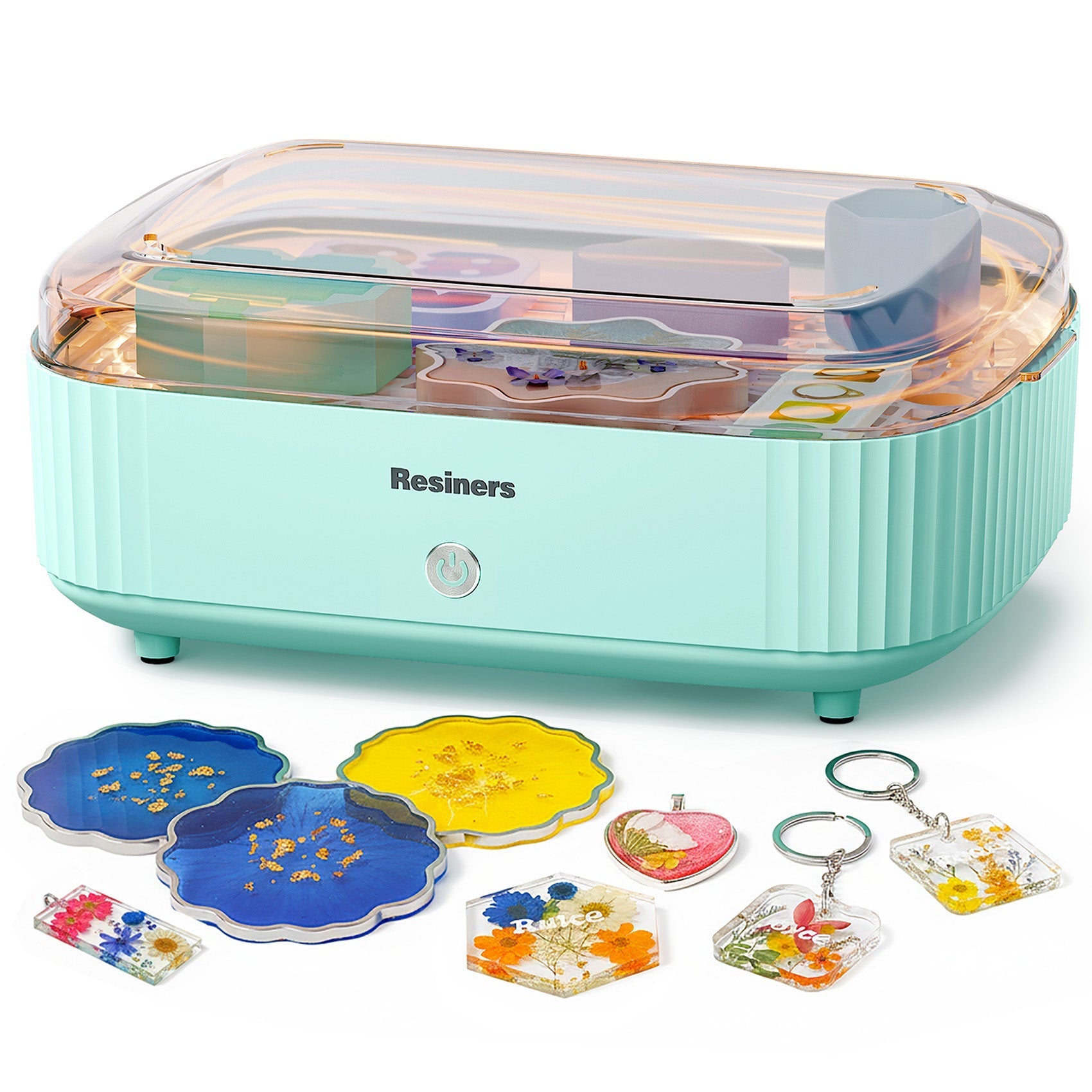
Keep your curing process consistent with our UV cure box collection for temperature-controlled results.

Understanding The Exothermic Reaction In Resin

Mixing resin and hardener sets off a chemical reaction that releases heat as the material changes from liquid to solid. How hot it gets depends on the resin type, pour thickness, and the temperature in your workspace.

What Causes Resin To Heat Up During Curing

The heat you feel is the result of an exothermic reaction. When you combine resin and hardener, their molecules start linking up—a process called polymerization. This forms new bonds and turns your liquid mixture into solid plastic.

The process releases energy as heat. Epoxy resin tends to get hotter than other types because its molecular structure forms stronger bonds during curing.

Common signs of the exothermic reaction:

  • Mixing cup feels warm or hot
  • Cures faster than you expected
  • Steam or fumes rising from the mix
  • Mold edges feel soft or flexible

The reaction speeds up as heat builds. So, thick pours or big batches heat up fast since the heat can’t escape easily.

Temperature Ranges For Different Resin Types

Different resins reach different temperatures, all thanks to their chemistry.

Epoxy resin usually heats up to 120°F–250°F (50°C–120°C) during curing. Deep pour epoxy tends to run cooler, around 100°F–150°F (38°C–65°C).

Polyester resin gets even hotter, sometimes 200°F–300°F (93°C–149°C), which can make it tricky for thicker pours.

The curing temperature affects how much heat your finished resin can handle before it softens. Most cured epoxy can take up to about 150°F (65°C).

Resin Type

Typical Curing Temperature

Best Pour Thickness

Standard Epoxy

120-250°F

1/8 to 1/4 inch

Deep Pour Epoxy

100-150°F

2-4 inches

Polyester Resin

200-300°F

1/4 inch or less

Factors That Affect Heat Generation

Several things decide how hot your resin gets while curing.

Pour thickness is probably the biggest one. Thin layers let heat escape, but thick pours trap it. A big 2-inch pour will get far hotter than four skinny 1/2-inch layers.

Batch size counts too—mixing more resin at once means more heat. Only mix what you need for each layer.

Room temperature also plays a role. Warm rooms (above 75°F/24°C) speed up curing and boost heat. Cold rooms (below 65°F/18°C) slow everything down.

Even your mixing method matters. Stirring fast adds energy and can make the reaction go wild. Slow, steady mixing keeps things under control.

Your mixing ratio is crucial. If you add too much hardener, you'll get excess heat and risk ruining your project. Always measure resin and hardener carefully for safer curing.

Get everything you need with our UV resin starter kits - includes beginner-friendly resins that cure cooler.

Managing Heat During The Curing Process

Keeping heat in check while resin cures helps you avoid cracks, warps, and other nasty surprises. You’ll want to plan your pour thickness, use cooling tricks, and keep the room at the right temperature the whole time.

Pour Thickness And Temperature Control

How thick you pour resin has a direct effect on how hot it gets. Thicker pours trap more heat, and temperatures can easily soar past 200°F if you’re not careful.

Try to keep pours between 1/4 inch and 1/2 inch for most epoxy resins. This gives heat a chance to escape. Let each layer reach the gel stage before adding the next.

Recommended max pour depths by resin type:

  • Deep pour epoxy: Up to 2 inches per layer
  • Standard epoxy: 1/4 to 1/2 inch per layer
  • Polyester resin: 1/4 inch or less per layer
  • UV resin: 1/8 inch max

Using slow-curing resin formulas helps keep peak temperatures down. These stretch out the reaction, so the heat isn’t as intense.

Cooling Methods To Prevent Overheating

Active cooling is your friend here. Set your project in front of a fan to bump up airflow around the mold—this works well for most small and medium pieces.

For big pours, try a water bath. Put your mold in a container of cool water, but make sure the water can’t get into the resin. Swap the water if it starts to warm up.

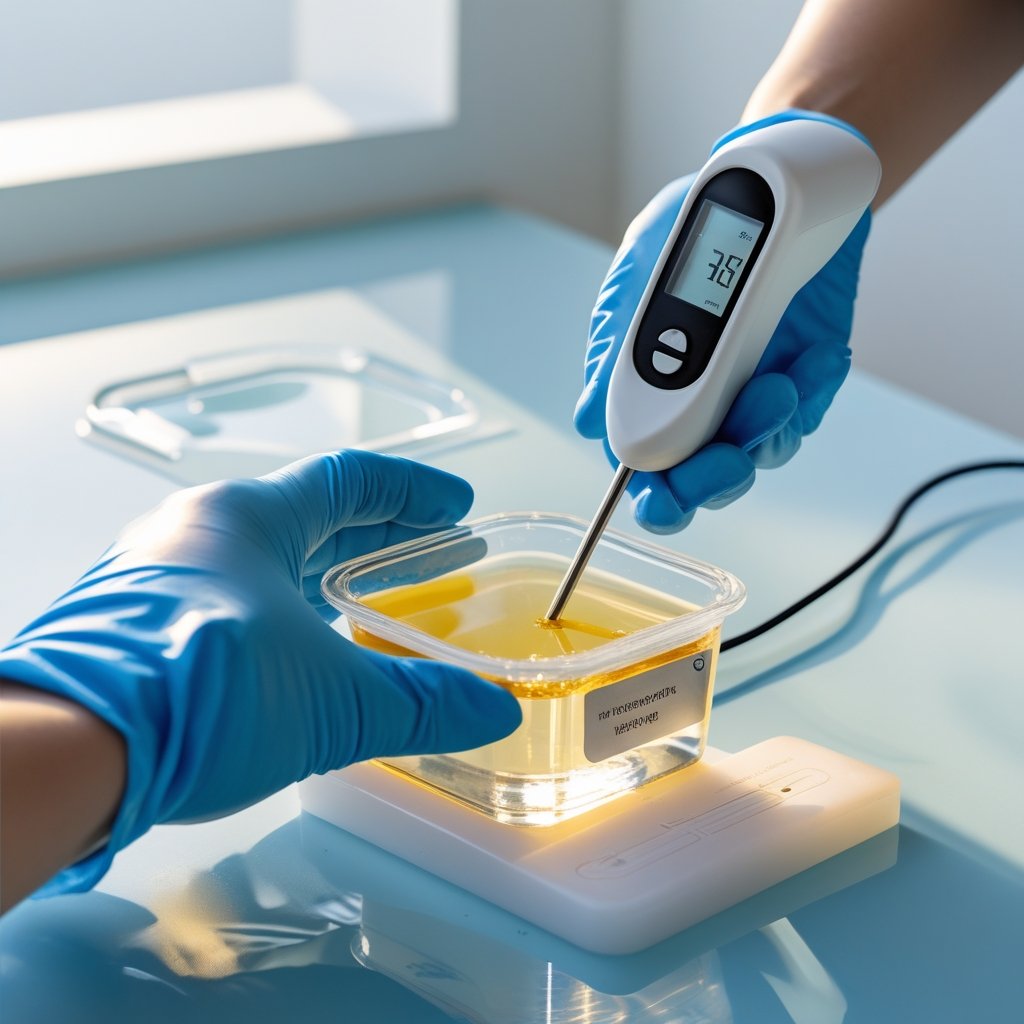
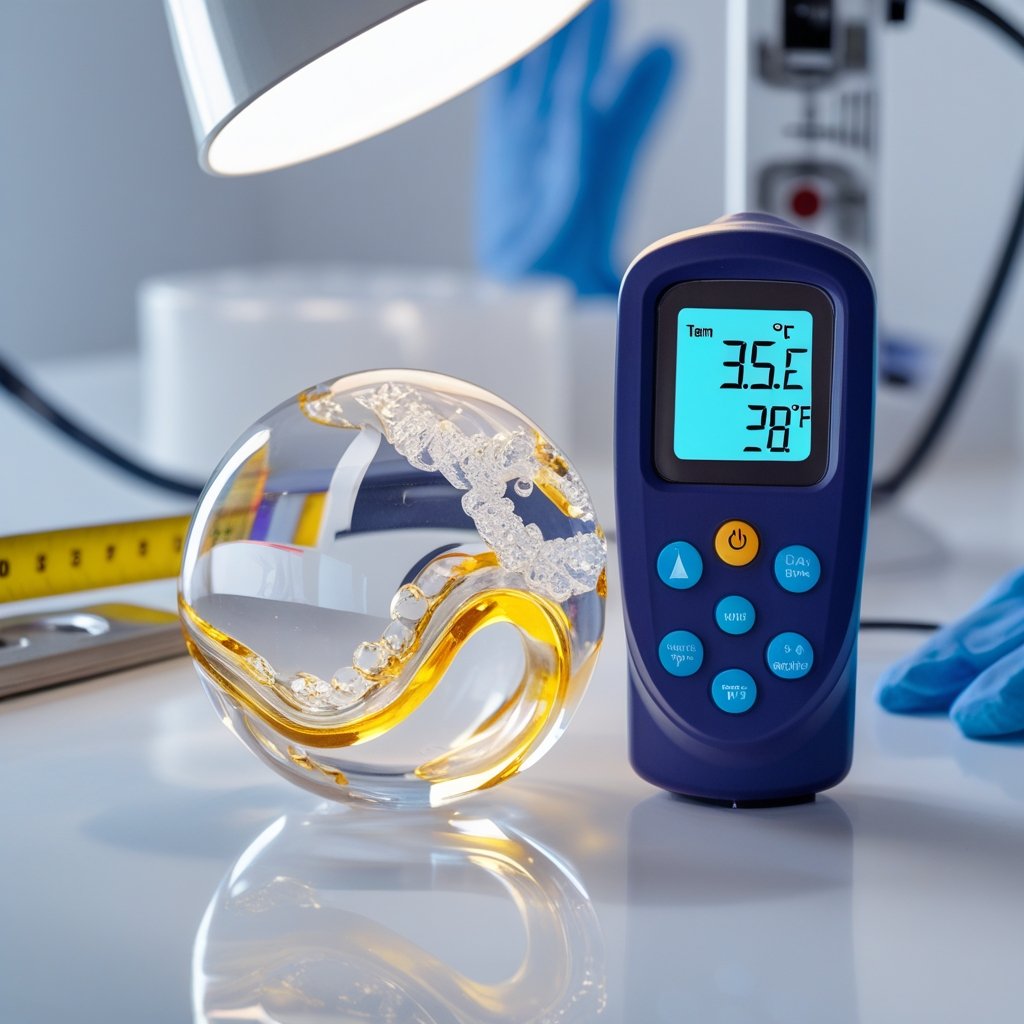
Use an infrared thermometer to keep tabs on the temperature without touching the resin. Check every 15–30 minutes during the first few hours. If things go above 150°F, crank up the cooling.

Metal molds—like aluminum—pull heat away faster than silicone or plastic. If heat’s a real problem, consider switching to metal molds.

Ideal Room Temperature For Curing Resin

Try to keep your workspace between 70°F and 75°F for the best results. If it gets hotter than 80°F, the reaction speeds up and you’ll get more heat.

Cold spaces (below 60°F) slow curing way down and can keep resin from hardening. In winter, you might need a space heater, but don’t put it too close to your project or you’ll get uneven curing.

Humidity between 40% and 60% is ideal. Too much humidity can make some resins cloudy, and super dry air can cause surface issues.

Always check the room temperature before you start. If you don’t have AC, maybe skip working during the hottest part of the day.

Safety Concerns And Heat-Related Problems

If resin overheats, it can wreck your project and put you at risk. Recognizing signs of overheating, preventing defects, and handling hot resin safely is key for both you and your work.

Signs Your Resin Is Getting Too Hot

If you see smoke or steam coming off your resin, the temperature’s gotten way too high—often over 200°F.

Resin might start to yellow or brown as it cures. Sometimes the cup or mold gets so hot you can’t touch it. If the chemical smell gets stronger than usual, that’s a red flag.

Physical warning signs:

  • Waves or ripples show up on the surface
  • Resin suddenly turns thin and runny
  • New bubbles appear out of nowhere
  • You hear cracking sounds from the resin

Mixing containers can even melt or warp if things get really hot. Large pours are especially risky since they trap more heat. If you spot any of these, move your resin somewhere cooler and boost the airflow right away.

Preventing Cracks, Bubbles, And Yellowing

Pour thin layers—no more than 1/4 inch at a time. This gives heat a way out and keeps things manageable. Let each layer partially cure before you pour the next.

Temperature control methods:

Method

How It Helps

Room temperature control

Keep workspace between 70-75°F

Smaller batches

Mix only what you’ll use in 15-20 minutes

Slow hardeners

Extend cure time, lower heat

Fillers

Add stuff that soaks up extra heat

Too much heat damages the mechanical properties of cured resin, leaving it brittle and weak. Cracking happens when resin expands too fast from heat, then shrinks as it cools down.

Stir resin slowly and gently. Stirring too fast adds air and speeds up the chemical reaction, which can lead to bubbles and overheating.

Safe Handling Of Hot Resin Projects

Don’t touch resin while it’s curing. The surface can get hot enough to burn. Give it at least 24 hours after the manufacturer’s listed cure time.

Before touching, test with the back of your hand. Keep anything flammable away from curing resin—some types get hot enough to start a fire.

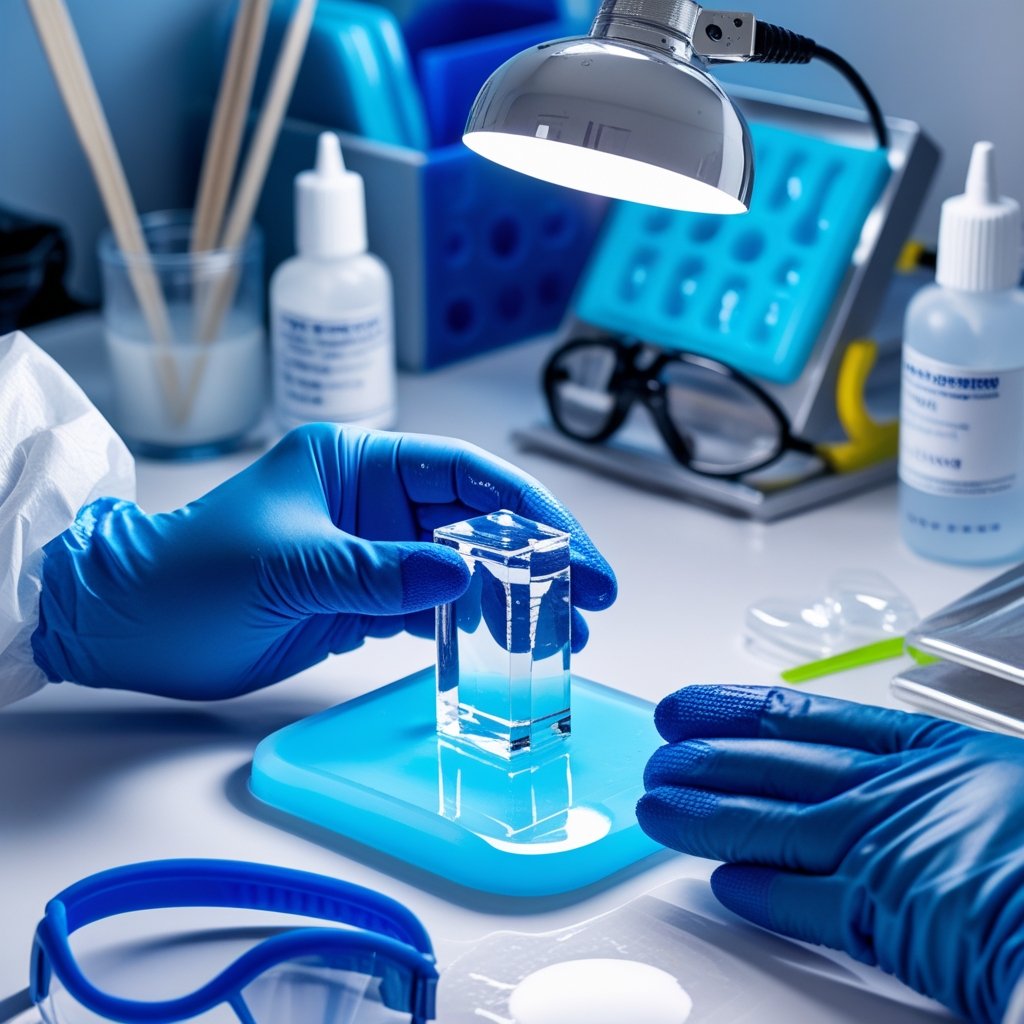
Safety gear you’ll want:

  • Heat-resistant gloves (at least 200°F)
  • Safety glasses for splashes
  • Well-ventilated space with fresh air
  • Non-flammable work surface (metal or concrete is best)

If you’re pouring a lot of resin, work near a fire extinguisher. Keep projects away from wood, paper, and fabrics. Don’t leave curing resin alone in a closed room—the heat can build up and release fumes even after it looks solid.

Use an infrared thermometer to check how hot your curing resin actually is. This lets you catch problems before they do real damage.

Achieve optimal curing conditions with our UV resin lights designed for safe, controlled results.

Conclusion: How Hot Does Resin Get When Curing

Understanding how hot resin gets when curing helps you work safely and avoid common problems like cracking, yellowing, and warping. By controlling pour thickness, managing room temperature, and using proper cooling techniques, you can prevent heat-related issues in your projects.

Remember that the exothermic reaction is a normal part of resin curing, but monitoring heat levels ensures your pieces turn out perfect every time. With practice, you'll learn to recognize when temperatures are getting too high and adjust accordingly.

Want to learn more about resin durability? Check out our guide on whether resin is breakable to understand how your cured pieces hold up over time!

Frequently Asked Questions: How Hot Does Resin Get When Curing

Resin heats up during curing because of a chemical reaction, usually reaching 100°F to 180°F, depending on type and amount. Curing time changes based on resin and conditions.

Does resin get hot while curing?

Yes, resin gets hot during curing due to an exothermic chemical reaction. Epoxy typically reaches 120°F to 180°F, while polyester can hit 220°F or higher. Thick pours generate more heat and can spike past 300°F in large volumes.

What temperature is cured resin?

Fully cured resin cools back to room temperature after the reaction completes. Cooling takes hours, especially for thick pours that heated significantly during curing. Most cured epoxy can withstand 120°F to 150°F without softening, with specialty resins handling up to 300°F.

How hot can resin get?

Small epoxy batches reach 120°F to 180°F, while thick polyester pours exceed 220°F. Massive volumes can spike past 300°F depending on resin type and pour thickness. UV-curing resins barely warm up, typically adding only 20°F above room temperature.

Does epoxy really take 24 hours to cure?

Epoxy reaches about 90% hardness after 24 hours for light handling. Full curing takes 72 hours to a week at room temperature for maximum strength. Fast-curing formulas set in minutes but still need hours to harden, while cold temperatures below 50°F dramatically slow or stop curing.


前後の記事を読む

curing UV resin
best epoxy resin curing machine

コメントを書く

このサイトはhCaptchaによって保護されており、hCaptchaプライバシーポリシーおよび利用規約が適用されます。