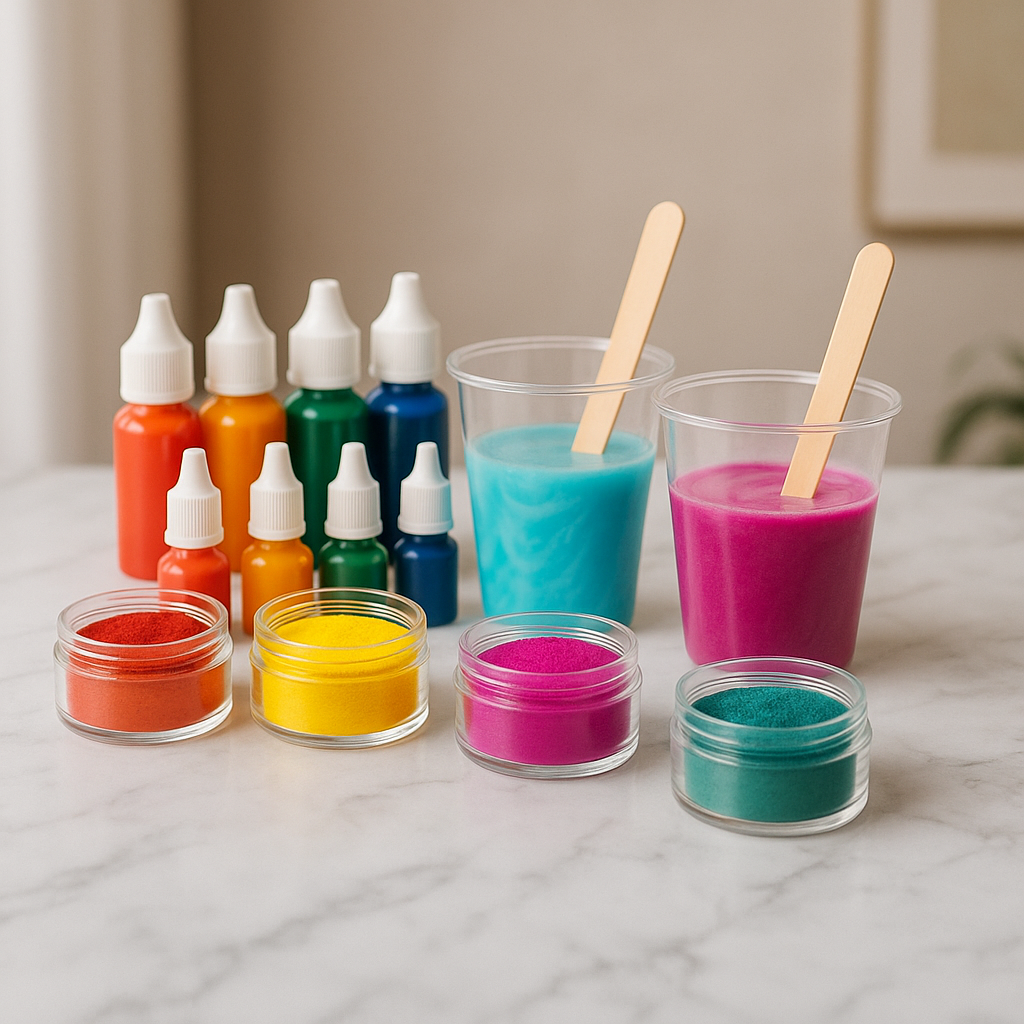
Mica Powder vs Liquid Dye Resin: Which Is Best for Coloring Resin Projects?

Mica Powder vs Liquid Dye Resin: Which Is Best for Coloring Resin Projects?

When it comes to coloring resin, two popular options often come up: mica powder and liquid dye resin. Both can create beautiful colors and effects, but they work very differently. 

Understanding the differences between mica powder and liquid dye resin can help you choose the best option for your resin art or craft project. 

Whether you want shiny metallic effects or bright, solid colors, knowing how each pigment interacts with resin is key to getting the results you want.

In this article, we will explore everything about mica powder vs liquid dye resin. You will learn how they differ, their pros and cons, and tips for using them effectively. 

Ready to find out which pigment suits your next resin project? Read on to discover the best coloring options and techniques.

What Is Mica Powder vs Liquid Dye Resin?

Before diving into the differences, it helps to know exactly what mica powder and liquid dye resin are.

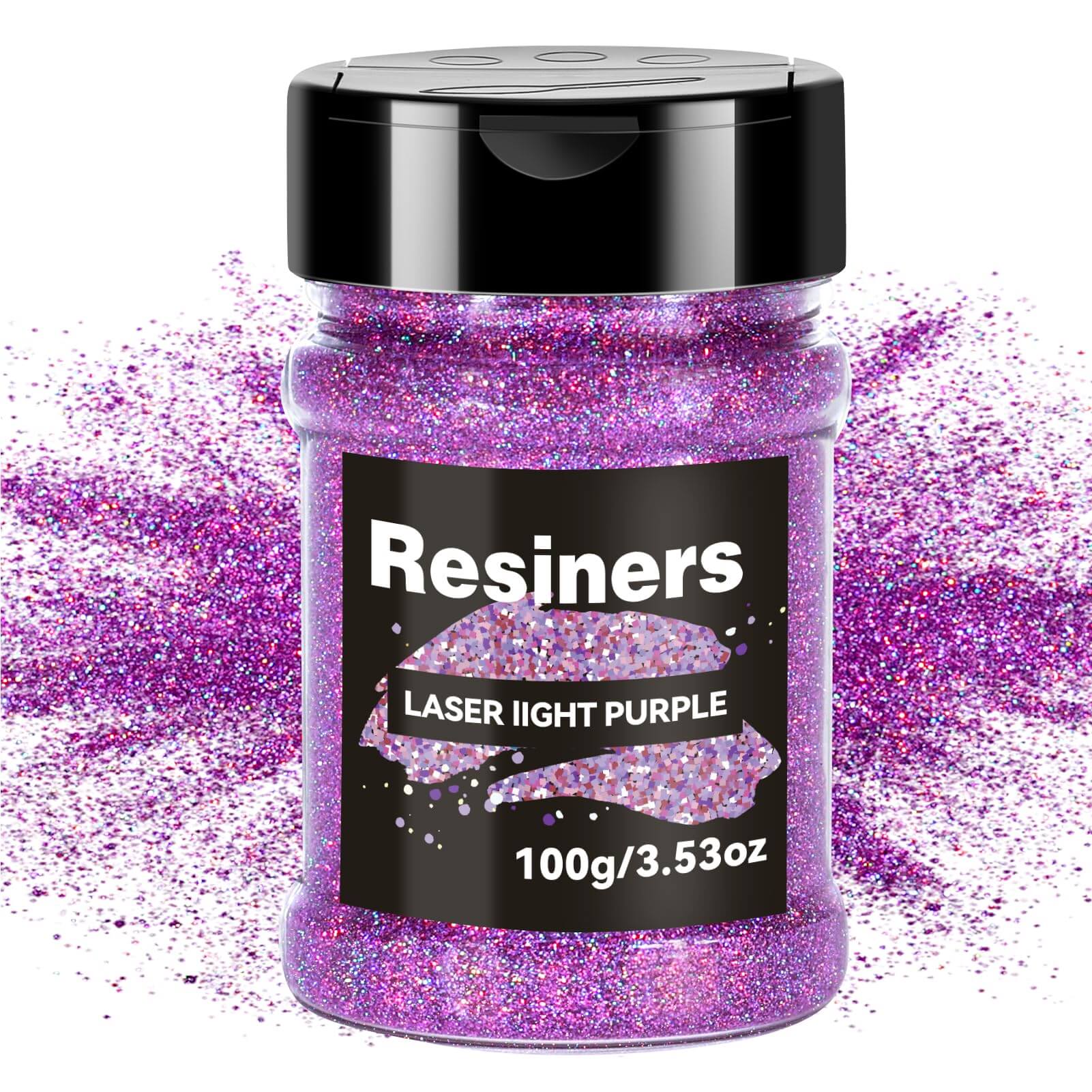
Mica powder is a fine, natural mineral powder that is often used as a pigment in resin art. It is known for its shimmering, pearlescent effect. Mica powder adds sparkle and metallic shine to resin and is available in many colors.

Liquid dye resin is a concentrated liquid colorant specially made to mix with resin. It creates solid, vibrant colors without changing the resin’s texture. Liquid dyes are usually transparent or translucent and blend smoothly. These dyes are often alcohol-based or formulated with resin-compatible solvents, which is why they mix easily and evenly into resin.

Both pigments are designed to color resin but give very different effects. Knowing how each one works will help you decide which is better for your project.

Key Differences Between Mica Powder vs Liquid Dye Resin

Key Differences Between Mica Powder vs Liquid Dye Resin

Understanding the main differences between mica powder and liquid dye resin will help you pick the right pigment for your needs.

Form and texture

Mica powder is dry and fine, while liquid dye resin is a colored liquid. This affects how they mix into resin.

Color and finish

Mica powder offers a shimmering, metallic, or pearlescent finish. Liquid dyes provide solid, bright, and translucent colors.

Mixing and blending

Liquid dyes mix easily and evenly with resin. Mica powder needs good stirring to avoid clumps.

Effect on resin clarity

Liquid dyes usually keep resin clear or translucent. Mica powder can make resin more opaque and sparkly.

Shelf life and storage

Mica powder lasts a long time if kept dry. Liquid dyes may have a shorter shelf life and need tight sealing.

Resiners Products You May Want to Shop

Explore More

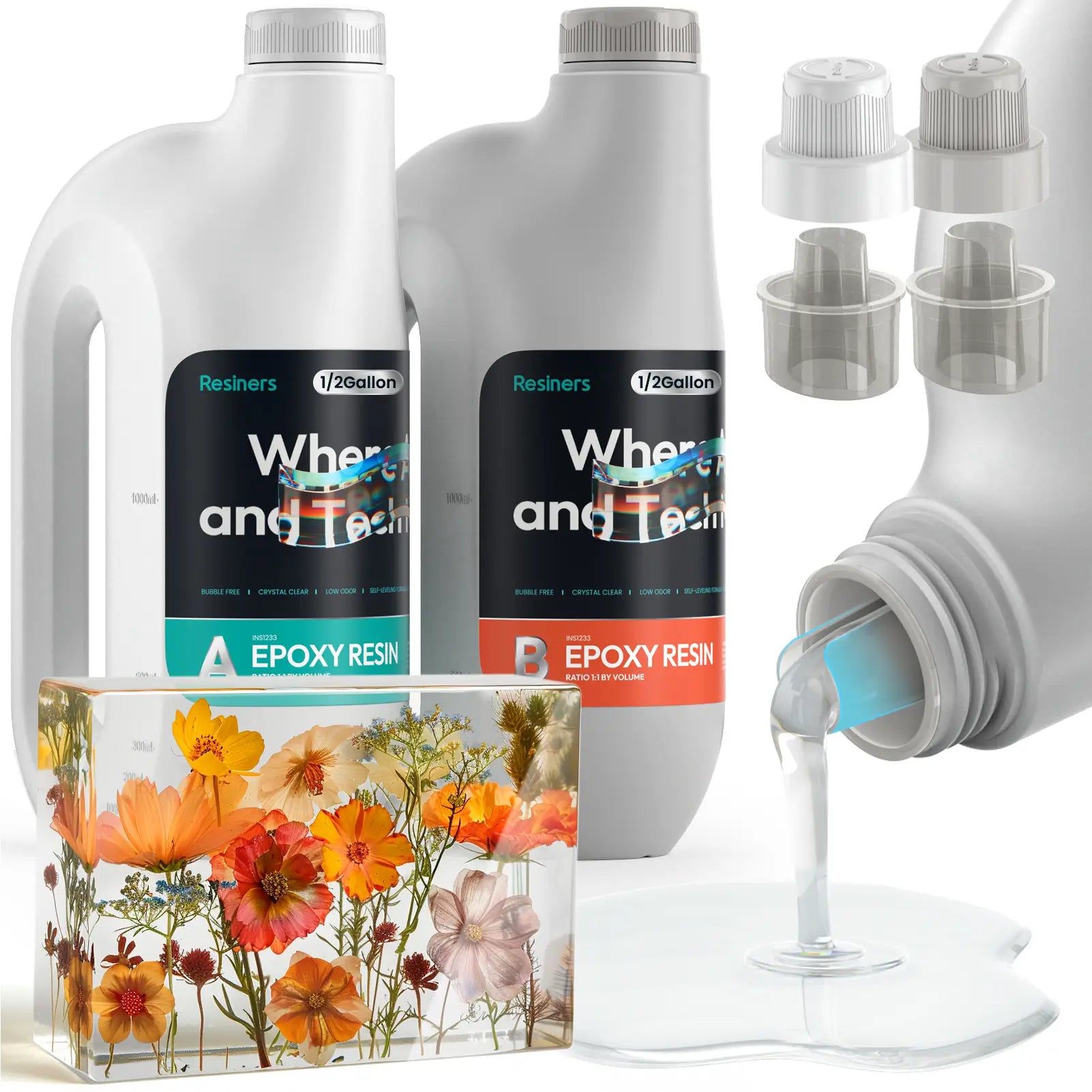
Resiners® 32 oz Crystal Clear Epoxy Resin Starter Kit

Shop Now ⟶

Resiners® 26 Colors Mica Powder Set - 0.175oz(5g)/Bottle

Shop Now ⟶

Resiners® 20 Colors Epoxy Resin Dye

Shop Now ⟶

📌 If you want to learn more about the best types of dyes for epoxy, check out the article Best Dye for Epoxy Resin: What Works and What Doesn’t. It breaks down all your options with helpful tips.

Pros and Cons of Mica Powder vs Liquid Dye Resin for Coloring Resin

Both mica powder and liquid dye resin have unique advantages and disadvantages depending on your project goals.

Mica Powder Advantages

  • Adds beautiful shimmer and metallic effects
  • Works well for layering colors and creating depth
  • Natural mineral origin means it can be non-toxic
  • Great for special effects like pearlescence and sparkle

Mica Powder Disadvantages

  • Can clump if not mixed thoroughly
  • Too much mica powder may affect resin curing because excessive pigment can interfere with the chemical hardening process
  • Colors may be less vibrant than liquid dyes

Liquid Dye Resin Advantages

  • Easy to measure and mix evenly
  • Produces strong, bright, and consistent colors
  • Does not clump or settle in resin
  • Works well for transparent or translucent effects

Liquid Dye Resin Disadvantages

  • Lacks the shimmer and metallic finish of mica powder
  • Some dyes may affect resin curing if overused
  • Limited options for special effects compared to mica powder

📌 If you want to explore how to color resin with different pigments and dyes, don’t forget to browse Coloring Resin: A Complete Guide to Pigments, Dyes, and More. It’s packed with useful advice for resin artists.

How to Choose Between Mica Powder vs Liquid Dye Resin for Your Resin Project

Mica Powder vs Liquid Dye Resin for Your Resin Project

Choosing the right pigment depends on several factors related to your project style and desired result.

  • Type of resin project: Jewelry, tabletops, or art pieces may require different effects.
  • Color effect desired: Shimmer and sparkle call for mica powder. Solid, bright colors work best with liquid dye.
  • Resin compatibility: Check if the pigment works well with your resin type (epoxy, polyester, or UV resin).
  • Ease of use: Beginners might prefer liquid dyes for easy mixing.
  • Budget and availability: Mica powders and liquid dyes vary in price and availability.

📌 For creative inspiration on resin colors, you can discover a wide range of ideas in Resin Color Ideas: Stunning Color Combinations for Your Resin Art on Resiners. It’s a great place to find your next color scheme.

Step-by-Step Guide to Using Mica Powder vs Liquid Dye Resin

Knowing how to use each pigment correctly will help you avoid common problems and get the best results.

Using Mica Powder in Resin

  • Measure your resin and hardener as usual
  • Add a small amount of mica powder (start with 1/2 teaspoon per 2 oz resin)
  • Stir the resin slowly but thoroughly to avoid clumps
  • Mix until the color is even and the powder is fully dispersed
  • Pour and cure as directed by your resin instructions
  • When working with mica powder, always wear a dust mask and gloves to avoid inhaling fine particles or skin irritation

Using Liquid Dye Resin

  • Measure resin and hardener carefully
  • Add liquid dye drop by drop to reach the desired color
  • Stir gently but completely to blend the dye evenly
  • Avoid adding too much dye to prevent curing issues
  • Pour and cure as usual

📌 If you want to learn the best amount of mica powder to add for perfect coloring, check out How Much Mica Powder to Add to Resin: Tips for Perfect Color. It’s full of helpful advice to get your colors just right.

Conclusion

Choosing between mica powder vs liquid dye resin comes down to the effect you want and how you like to work with resin. Mica powder adds shimmer and special effects, while liquid dye resin provides bright, even colors with easy mixing. Both are valuable tools in resin art and can even be combined for unique looks.

For more helpful guides and tips about resin crafting, be sure to visit Resiners. They offer high quality products like mica powder, glitters, epoxy resin, UV resin, resin accessories, molders, and other resin equipment and machines perfect for every resin craft. 

Whether you are a beginner or a pro, Resiners has everything you need to create stunning resin art.

Frequently Asked Questions About Mica Powder vs Liquid Dye Resin

Is mica powder better than liquid dye?

Neither is strictly better; it depends on your project needs. Mica powder is better for shimmer and metallic effects, while liquid dye resin offers bright, solid colors. Your choice should match the look you want.

Can you add too much mica powder to resin?

Yes, adding too much mica powder can cause resin to cure improperly or become brittle. It can also make the resin cloudy or thick. Use mica powder sparingly to avoid interfering with the curing process.

Are pigment powder and mica powder the same?

Not exactly. Mica powder is a natural mineral pigment with shimmer. Pigment powders can be synthetic and often do not have the pearlescent effect mica does.

What is the best coloring for resin?

The best coloring depends on your project. For shimmer and sparkle, mica powder is great. For bright, solid colors, liquid dye resin works well. Sometimes combining both gives the best results.

What should you not put in resin?

Avoid adding water, food coloring, or household paints to resin as they can affect curing and clarity. Use pigments and dyes made specifically for resin.

前後の記事を読む

Can You Put Fresh Flowers in Resin?
Best Glitter for Snow Globe: Tips for Stunning, Long-Lasting Snow Effects

コメントを書く

このサイトはhCaptchaによって保護されており、hCaptchaプライバシーポリシーおよび利用規約が適用されます。